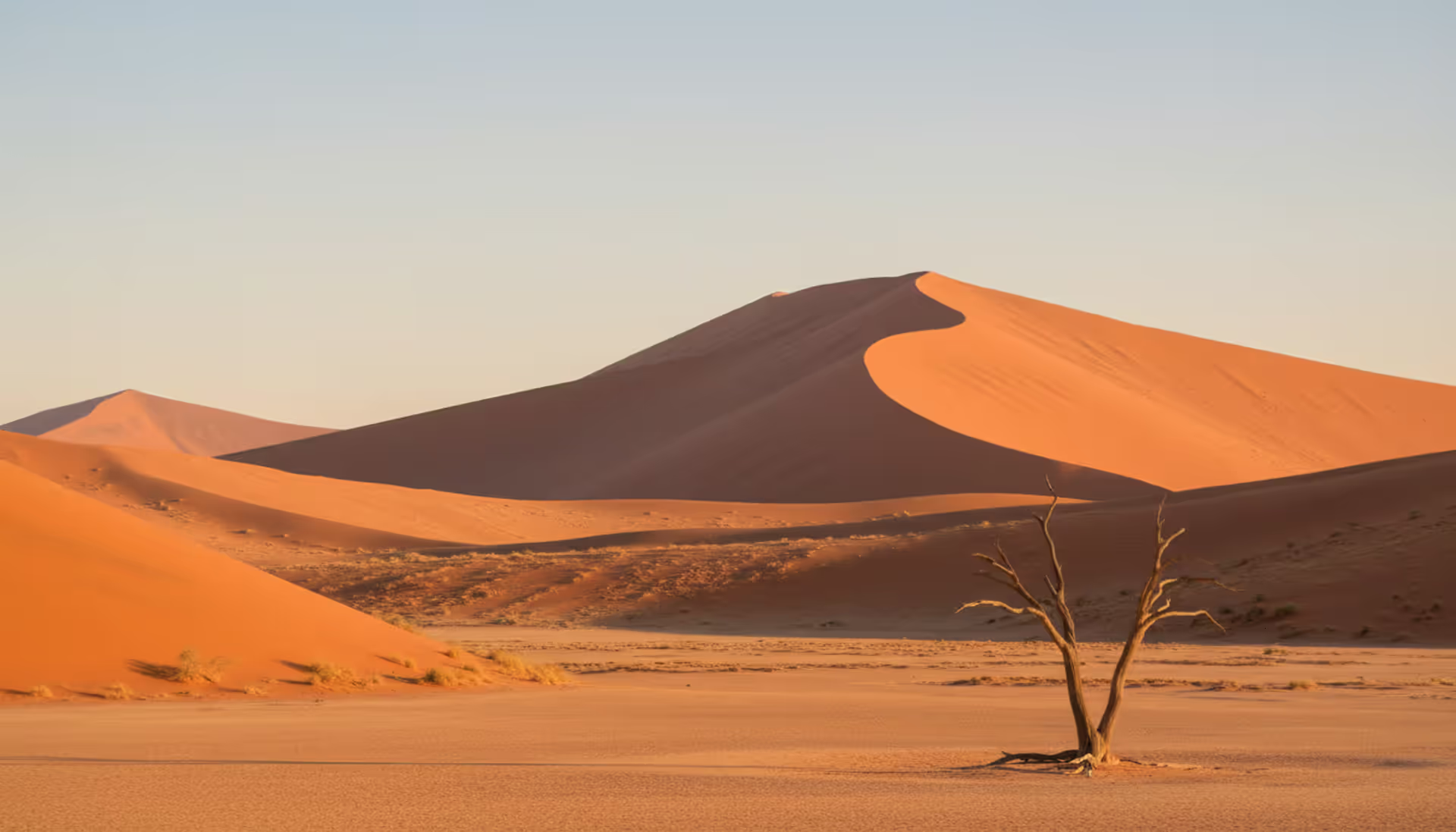
Panoramic sunrise view of towering orange sand dunes in the Namib Desert with a lone dead tree in the foreground and clear blue sky
Luxury Namibia Safari Guide

Content
Namibia delivers a safari experience unlike anywhere else in Africa. Instead of crowded game drives and predictable Big Five checklists, you'll find yourself standing on rust-red dunes taller than the Chrysler Building, tracking desert-adapted elephants through ancient riverbeds, and sleeping under star-saturated skies in camps that host fewer than twenty guests at a time.
For American travelers accustomed to East African safari narratives, Namibia requires a mental reset. This is not about ticking off species in a single morning. It's about scale, silence, and landscapes so otherworldly they feel like Mars with wildlife. The country's luxury safari infrastructure has matured significantly, offering experiences that blend conservation-focused travel with genuine wilderness immersion—without the malaria risk that complicates family trips or the shoulder-to-shoulder vehicle congestion that mars many Kenyan and Tanzanian parks.
What Makes a Luxury Safari in Namibia Different
Namibia's luxury safari model diverges sharply from the classic East African template. The country is nearly twice the size of California but hosts only 2.6 million people, making it the second-least densely populated nation on Earth. This emptiness is the foundation of its appeal.
Most premier camps sit within private conservancies or concessions where guest numbers are contractually limited. At &Beyond Sossusvlei Desert Lodge, for instance, only ten suites occupy 173,000 acres. You won't queue for sunset viewpoints or share a leopard sighting with six other Land Cruisers. Many properties offer private vehicle guarantees—your guide, your schedule, no compromises.
The landscape itself defines the experience. Namibia's safaris unfold across towering sand dunes, gravel plains studded with fairy circles, shipwreck-strewn coastlines, and granite massifs where black rhinos shelter in the shade. Wildlife has adapted to these harsh environments in ways you won't see elsewhere: elephants that dig for water in dry riverbeds, oryx that survive without drinking, lions that hunt seals along the Skeleton Coast.
Author: Olivia Kensing;
Source: reykjaviksegwaytours.com
Conservation here operates on a community-based model that predates most African ecotourism initiatives. Since the mid-1990s, communal conservancies have given local populations direct financial stakes in wildlife protection. Tourism revenue flows to villages; poaching has plummeted; wildlife numbers have rebounded. When you pay $1,800 per night at a Damaraland camp, a meaningful portion funds schools, clinics, and anti-poaching patrols. The transaction feels less extractive than in countries where safari profits bypass rural communities entirely.
The luxury tier in Namibia also emphasizes interpretation over mere game viewing. Guides tend to have geology, archaeology, or ecology backgrounds. They'll explain how Welwitschia plants live for two thousand years, decode ancient San rock art, or identify which beetle species creates which tracks in the dune sand. It's intellectually richer than the standard "There's a lion—take your photo" approach.
Top Luxury Safari Regions and Lodges in Namibia
Namibia's luxury safari circuit clusters around four core regions, each offering distinct landscapes and wildlife. Most itineraries combine two or three zones over seven to twelve days.
Sossusvlei and NamibRand Reserve
The Namib Desert's signature dunes rise to 1,000 feet, their apricot-colored slopes creating the most photographed landscape in Southern Africa. Sossusvlei itself sits within Namib-Naukluft National Park, but the adjacent NamibRand Nature Reserve hosts the region's finest lodges.
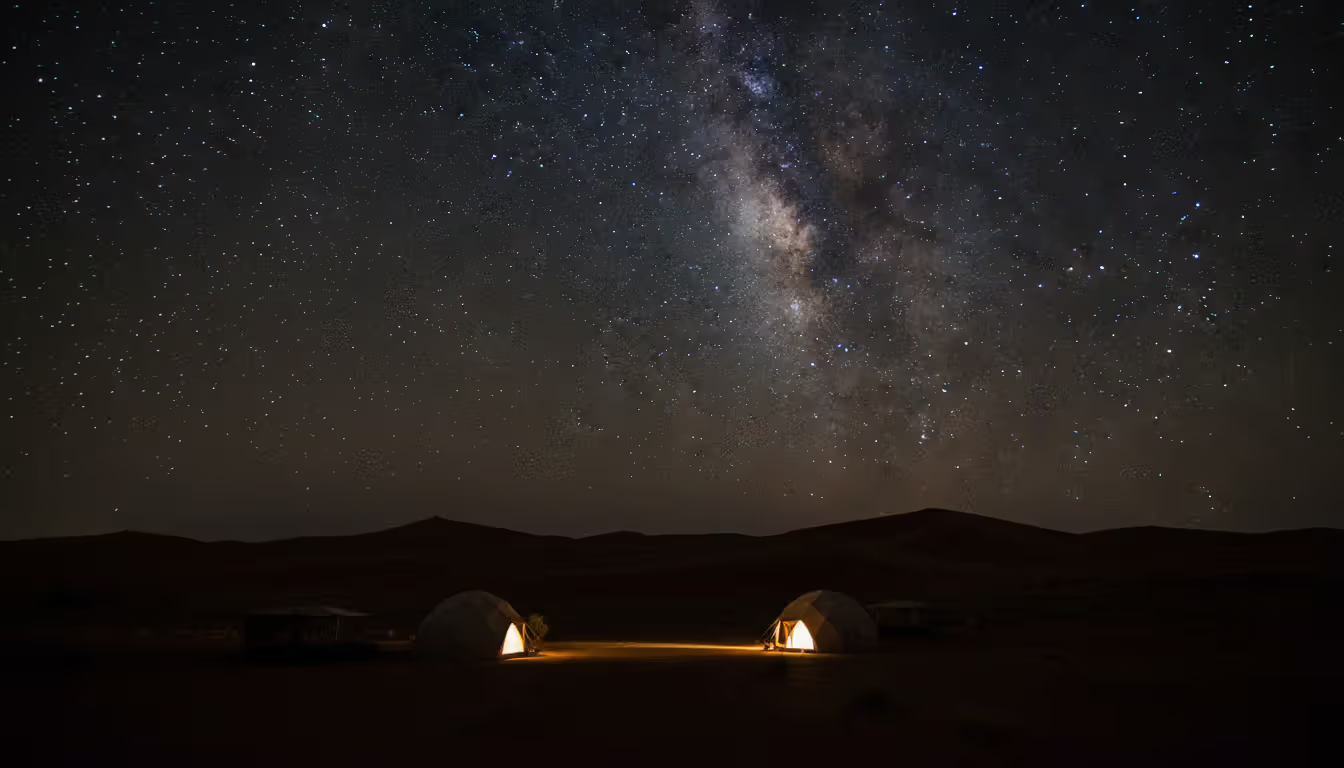
Wolwedans Dunes Lodge perches on a plateau surrounded by dune seas, with nine canvas-and-thatch units that feel like luxury treehouses without the trees. Morning hot-air balloon flights drift over the dunes at sunrise; evening drives track springbok, gemsbok, and the occasional brown hyena. The reserve is an International Dark Sky Reserve—the star density rivals Chile's Atacama Desert.
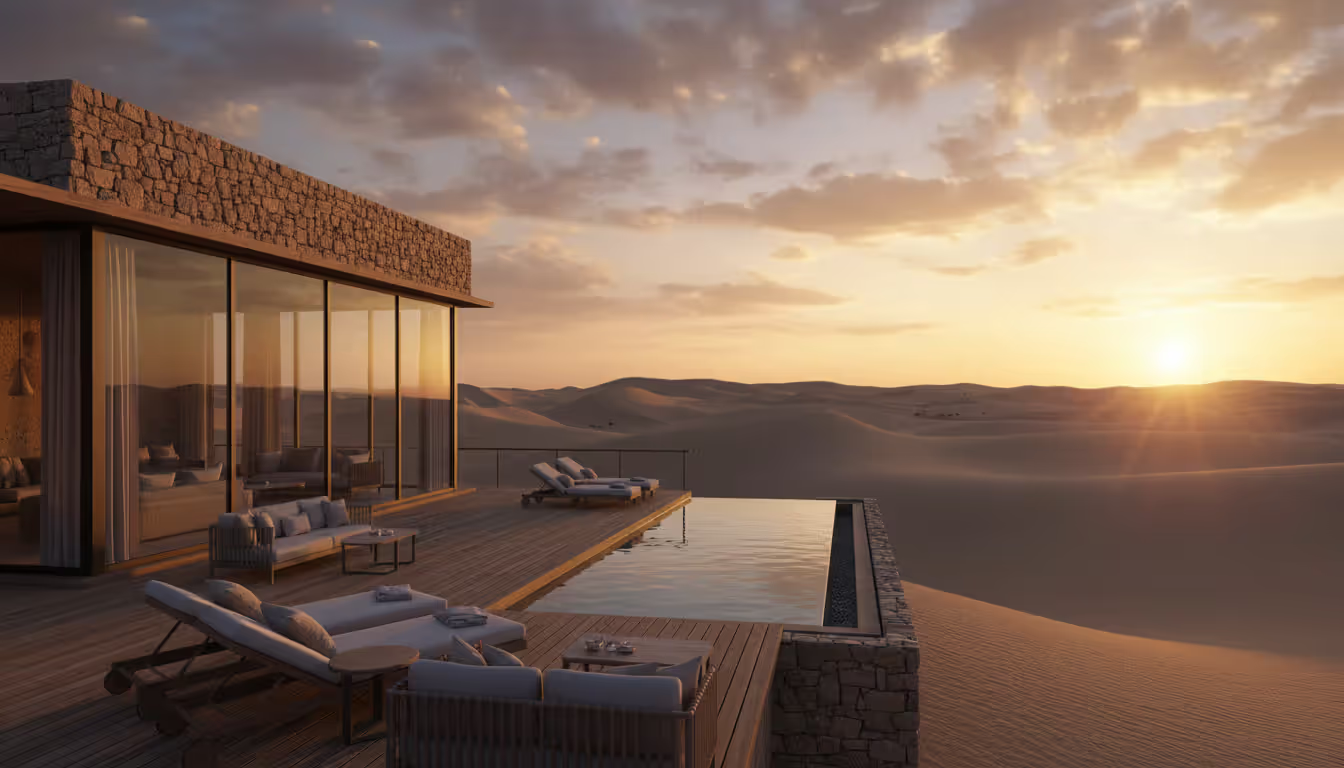
&Beyond Sossusvlei Desert Lodge offers ten stone-and-glass suites with private pools, underground wine cellars, and skylights above the beds for stargazing. Their astronomer leads nightly sessions at the on-site observatory. Day excursions to Deadvlei—a white clay pan dotted with 900-year-old dead acacia trees—require pre-dawn departures to beat the heat.
Luxury safaris in Namibia treat this region as essential. The dunes deliver the dramatic visuals; the reserves provide the exclusivity.
Damaraland and Desert-Adapted Wildlife
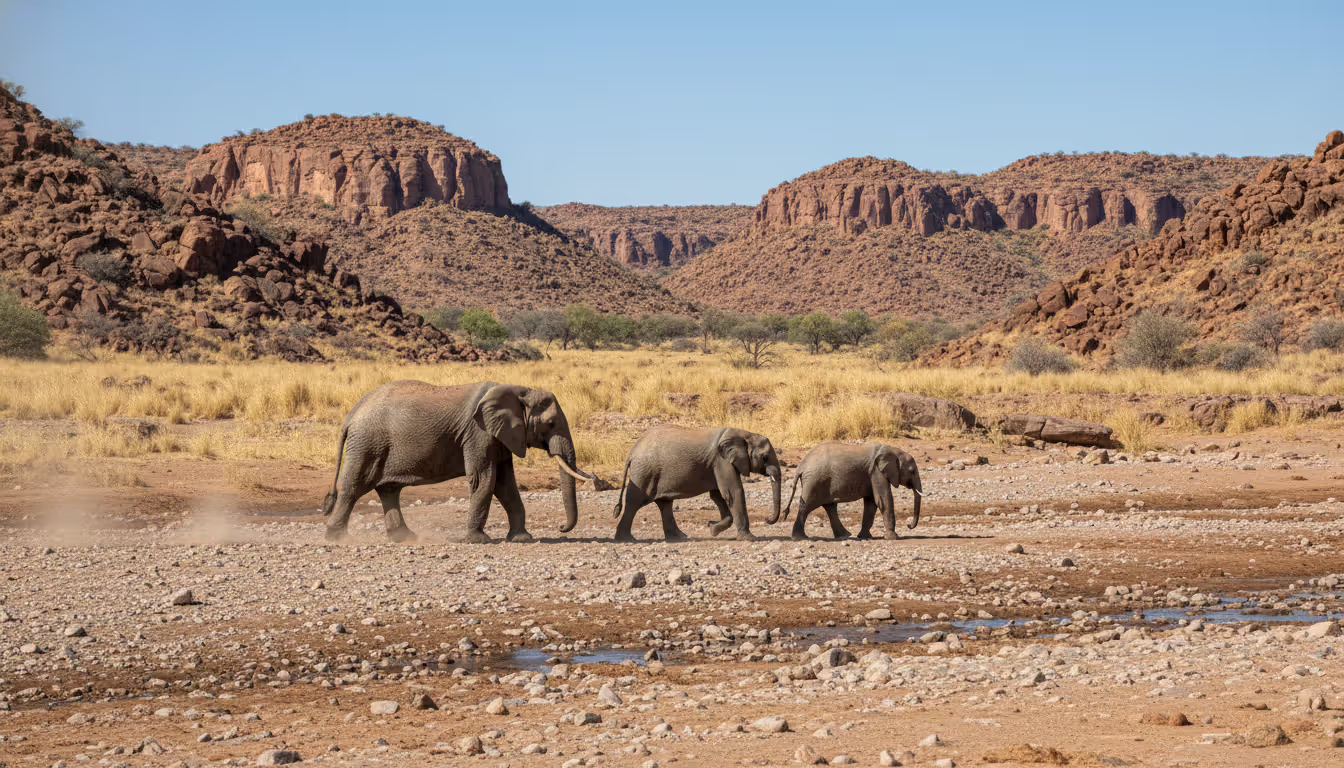
Northwest of Etosha, Damaraland's rocky plateaus and ephemeral rivers support populations of desert-adapted elephants and black rhinos that have evolved behaviors found nowhere else. Elephants here can go three days without water, traveling up to forty miles between sources.
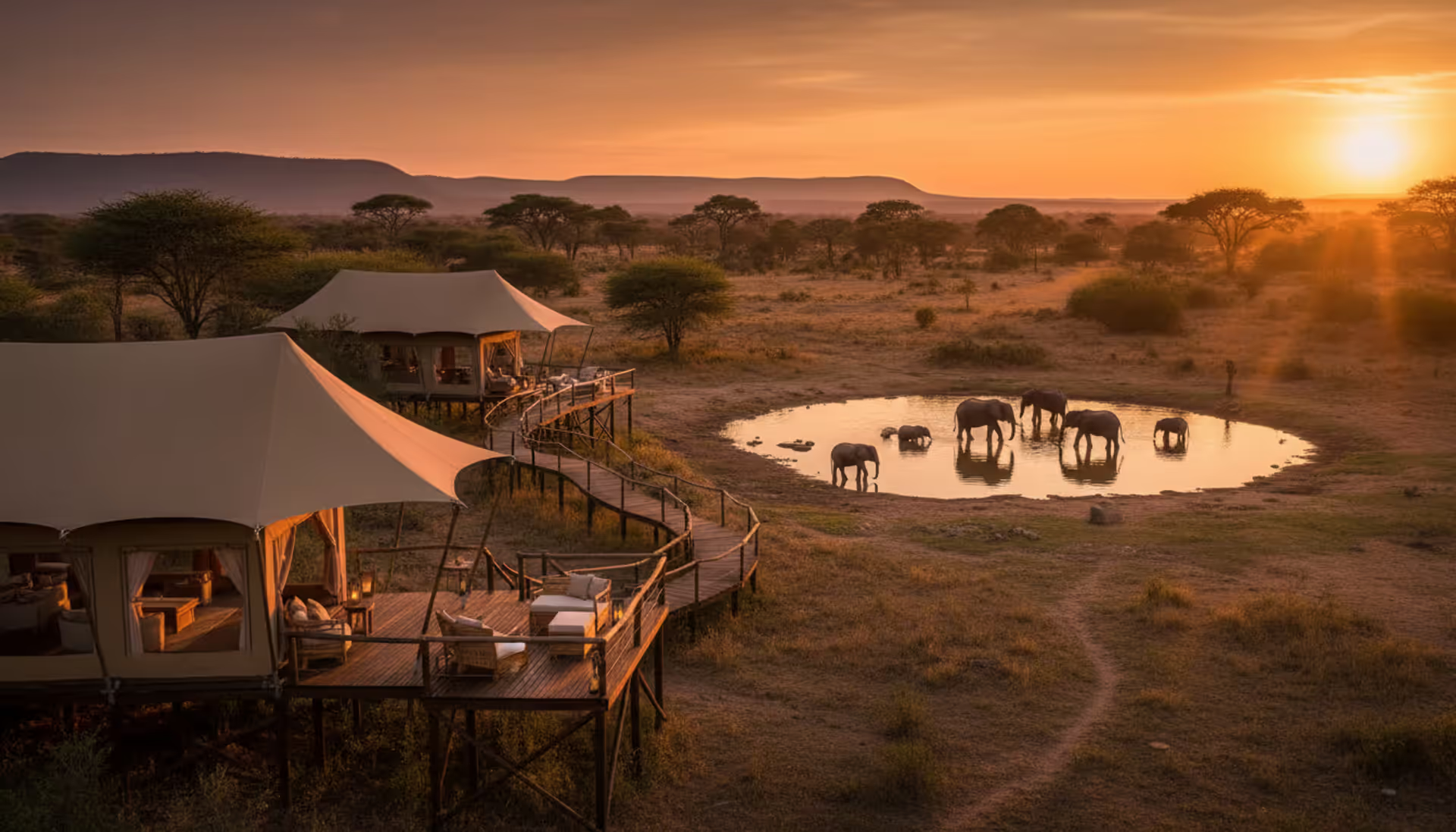
Hoanib Skeleton Coast Camp, a joint venture between Wilderness and the Sesfontein and Puros conservancies, sits where the Hoanib River meets the coastal plain. Eight tented suites face a waterhole frequented by elephants, giraffes, and occasionally lions. Rhino tracking on foot with Himba guides is the signature activity—sightings aren't guaranteed, but the tracking process itself is the point.
Author: Olivia Kensing;
Source: reykjaviksegwaytours.com
Mowani Mountain Camp offers twelve tented units tucked among granite boulders, with private plunge pools and outdoor showers. The camp arranges visits to Twyfelfontein's UNESCO-listed rock engravings and guided walks with conservancy rangers who explain how communities balance livestock and wildlife.
Damaraland rewards patience. Wildlife densities are lower than Etosha, but encounters feel earned rather than staged.
Etosha National Park Private Concessions
Etosha's 8,600-square-mile salt pan anchors Namibia's traditional Big Five safari experience. The main park allows self-drive access, but luxury travelers book camps within private concessions on Etosha's western boundary, where night drives and off-road driving are permitted.
Onguma The Fort recreates a North African kasbah on the eastern edge, with thirteen suites overlooking a floodlit waterhole. Elephants, rhinos, and lions drink nightly. The concession shares unfenced borders with Etosha, so game drives access both areas.
Ongava Lodge on the southern boundary offers fourteen thatched chalets and a hide built into a waterhole where you can photograph rhinos at eye level. Their rhino tracking walks put you within fifty feet of white rhinos on foot—adrenaline without the danger of black rhino encounters.
Etosha's dry season (May through October) concentrates wildlife around permanent waterholes, making sightings predictable. Luxury camps here blend classic game viewing with Namibia's low-density ethos.
How to Plan a Luxury Namibia Safari from the US
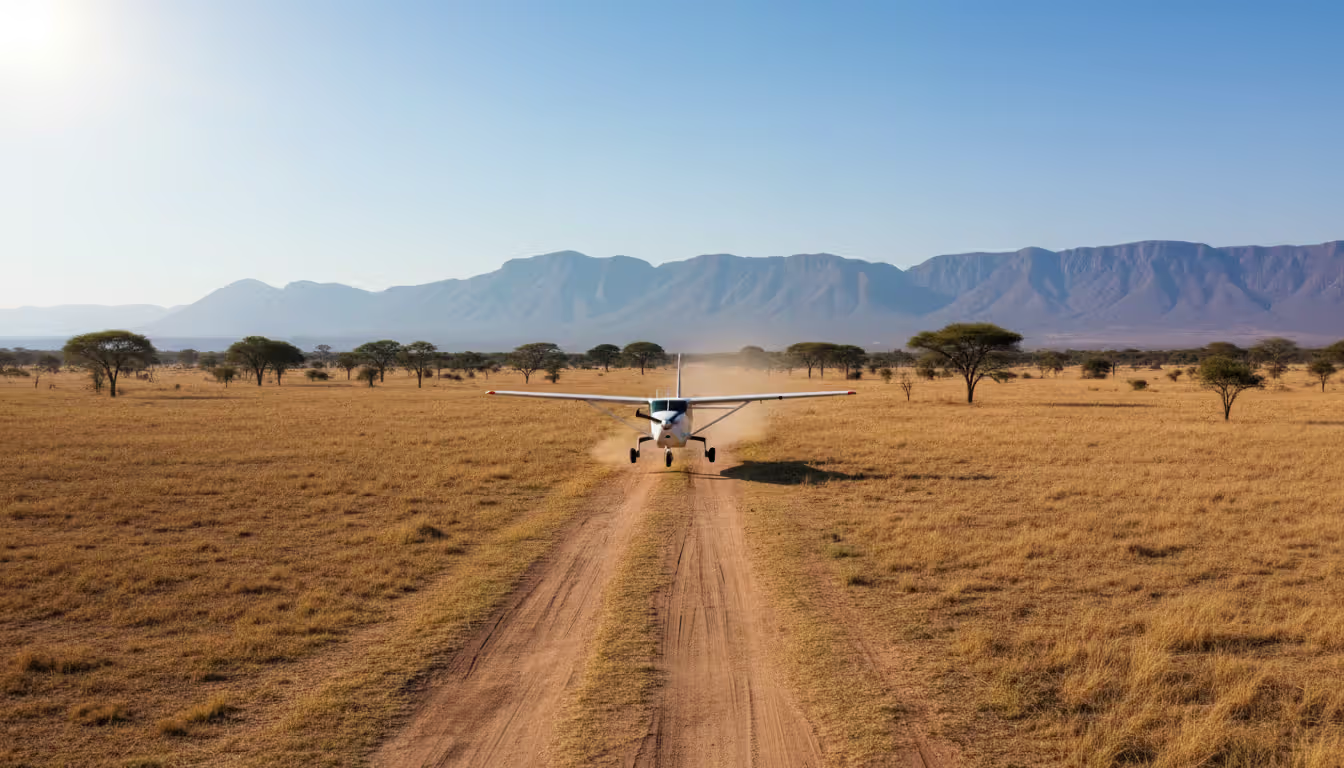
Most US travelers route through Johannesburg on South African Airways or United, then connect to Windhoek on Air Namibia or regional carriers. Direct JNB-WDH flights take two hours. Some luxury itineraries use chartered flights between camps, bypassing Windhoek entirely and landing on remote airstrips.
Namibia grants US passport holders free ninety-day tourist entry stamps on arrival—no advance visa required. Passport validity of six months beyond departure is standard.
The best travel window runs May through October, Namibia's dry winter. Temperatures are moderate (70s°F daytime, 40s°F at night in the desert), skies are cloudless, and wildlife congregates at waterholes. June through August is peak season; expect full lodges and higher rates. September and October heat up (90s°F) but offer excellent game viewing before the November rains.
November through April brings summer rains, transforming the desert into a green garden. It's beautiful but hot (100°F+), and some Skeleton Coast camps close. This is shoulder season—rates drop 30-40%, and you'll have places nearly to yourself.
Most luxury Namibia safaris run seven to twelve days. A typical itinerary might include three nights in Sossusvlei, three in Damaraland, and two in Etosha—balancing landscapes, wildlife, and travel logistics. Distances are vast: Windhoek to Sossusvlei is 230 miles, Sossusvlei to Damaraland another 280. Chartered flights compress travel time from five-hour drives to forty-minute hops.
Book nine to twelve months ahead for June through October travel. Top lodges fill early, especially those with fewer than ten suites. Specialist operators like Wilderness Safaris, Natural Selection, and &Beyond control most premier properties and offer better rates than booking direct.
Author: Olivia Kensing;
Source: reykjaviksegwaytours.com
Luxury Safari Costs and What's Included
Namibia safari luxury pricing ranges from $800 to $2,500 per person per night, depending on season, lodge exclusivity, and inclusions. Most camps operate on a fully inclusive model covering accommodations, all meals, house beverages (wine, beer, spirits), guided activities, park fees, and internal flights between lodges.
A typical ten-day luxury Namibia safari—three lodges, chartered flights, full board—runs $12,000 to $18,000 per person in high season. Shoulder season (April-May, November) drops that to $8,000-$12,000. These figures exclude international flights from the US (budget $1,200-$1,800 round-trip to Johannesburg).
Premium add-ons not usually included: hot-air balloon flights over Sossusvlei ($450-$550), helicopter excursions along the Skeleton Coast ($800-$1,200), spa treatments, and gratuities for guides and camp staff (budget $30-$50 per guest per day).
Conservation levies are typically bundled into nightly rates. In communal conservancies like Palmwag or Torra, these fees directly fund community projects and anti-poaching units. It's worth asking operators what percentage of your payment reaches local conservancies—transparency varies.
The luxury tier justifies its cost through exclusivity and expertise. You're paying for camps that host twelve guests instead of sixty, guides with university degrees in ecology, private vehicles, and access to vast concessions where you might not see another tourist for days. The cost-per-experience ratio often beats crowded Serengeti lodges charging similar rates.
Comparing Luxury Safaris: Namibia vs. Mozambique vs. Zimbabwe
Southern Africa luxury safari options extend beyond Namibia, each destination offering distinct experiences that can complement or substitute depending on priorities.
| Destination | Best For | Peak Season | Malaria Risk | Average Luxury Cost/Night | Signature Experience |
| Namibia | Desert landscapes, low density, photography | May–October | Low to none (most areas) | $800–$2,500 | Dune hiking, desert-adapted wildlife, Dark Sky stargazing |
| Mozambique | Beach-safari combos, diving, marine life | May–November | Moderate to high (prophylaxis recommended) | $700–$2,200 | Dhow sailing, whale sharks, island lodges |
| Zimbabwe | Walking safaris, Victoria Falls, Big Five | April–October | Moderate (main parks) | $750–$2,800 | Canoeing Zambezi, walking with guides, Falls viewpoints |
Safari Mozambique appeals to travelers wanting Indian Ocean beaches paired with wildlife. Luxury Mozambique safari options center on the Quirimbas and Bazaruto archipelagos, where lodges like Azura Benguerra combine game drives in nearby reserves with snorkeling, diving, and dhow cruises. A luxury mozambique safari works well as a post-Namibia beach extension—fly from Windhoek to Maputo or Vilanculos for five nights of island relaxation.
Mozambique luxury safari experiences emphasize marine environments over terrestrial wildlife. You'll see whale sharks, manta rays, and nesting turtles rather than elephants and lions. The country's luxury infrastructure is less developed than Namibia's, with fewer camps and more logistical challenges, but the beaches rival the Maldives at lower cost.
Luxury Zimbabwe safari itineraries revolve around Hwange National Park, Mana Pools, and Victoria Falls. Zimbabwe luxury safari lodges like Singita Pamushana and Linkwazi offer classic Big Five experiences with a strong emphasis on walking safaris and canoe trips—activities restricted or unavailable in Namibia.
Luxury Zimbabwe safaris pair naturally with Namibia via Victoria Falls, a three-hour flight from Windhoek. Many travelers combine Etosha, Sossusvlei, and Damaraland with three nights at the Falls and a Hwange camp. Zimbabwe luxury safari lodges tend to be smaller and more intimate than Namibian properties, with several offering private-use options for families or groups.
The southern Africa luxury safari circuit allows multi-country itineraries: start in Johannesburg, fly to Namibia's Skeleton Coast, transfer to Etosha, then Zimbabwe for Hwange and Victoria Falls, finishing in Mozambique's Bazaruto for beach time. This eighteen-day routing hits desert, wildlife, waterfalls, and ocean—a comprehensive southern Africa experience.
Choose Namibia when landscapes matter as much as animals, when you want malaria-free options, or when you prefer solitude over sightings frequency. Choose Mozambique for marine experiences and post-safari relaxation. Choose Zimbabwe for walking safaris, canoeing, and Victoria Falls as a centerpiece.
Author: Olivia Kensing;
Source: reykjaviksegwaytours.com
Mistakes to Avoid When Booking a Luxury Namibia Safari
Visiting during the wrong season for your priorities. If you want green landscapes and fewer tourists, November through March delivers—but expect afternoon thunderstorms, 100°F heat, and some camps closed. If wildlife viewing is paramount, stick to the dry season despite higher costs and fuller lodges.
Underestimating distances and travel time. Namibia is enormous. Self-drive itineraries that look reasonable on a map translate to five-hour slogs on gravel roads. If you have limited vacation days, pay for chartered flights between camps. The cost difference is $400-$600 per person per flight, but you save six to eight hours of driving.
Skipping malaria-free regions when traveling with young children or pregnant women. Etosha's eastern sections, all of Sossusvlei, and most of Damaraland are malaria-free year-round. The Caprivi Strip and northern Kunene have seasonal risk. If malaria prophylaxis is a concern, design your itinerary around risk-free zones—you won't sacrifice quality.
Booking too many camps. Three camps over ten days is ideal. Four or more means you're spending too much time packing, traveling, and settling in. Namibia rewards slow travel—spend three nights minimum per lodge to explore properly and adjust to the rhythm.
Not using specialist tour operators. Booking Namibian lodges direct through their websites often costs more than using operators like Wilderness Safaris, Natural Selection, or US-based Africa specialists. These companies negotiate better rates, handle complex logistics, and provide on-ground support when flights delay or itineraries need adjusting.
Ignoring the astronomy component. Namibia has some of Earth's darkest skies. If you book camps without observatories or astronomy programs, you're missing a defining feature. Wolwedans, Sossusvlei Desert Lodge, and Little Kulala all offer expert-led stargazing—prioritize properties with this amenity.
Overlooking community-owned conservancies. Some of Namibia's most authentic experiences happen in communal conservancies like Torra, Palmwag, and Puros, where tourism revenue directly funds villages. These areas often offer better cultural interactions and more meaningful conservation stories than purely private reserves.
Namibia taught me that luxury in safari terms isn't about thread count or wine lists—it's about having 173,000 acres and ten other guests. It's about watching the Milky Way rotate above the dunes with no light pollution for 200 miles. That kind of space and silence is the rarest luxury on Earth
— Dr. Sarah Kline
Frequently Asked Questions
Namibia's luxury safari circuit rewards travelers who value quality over quantity, who find beauty in negative space, and who understand that a single elephant walking across a vast gravel plain can be more moving than fifty clustered around a Kenyan waterhole.
The infrastructure has matured to the point where American travelers face fewer logistical headaches than a decade ago. Camps meet international luxury standards, guides speak fluent English, and health risks are minimal compared to tropical Africa. The conservation model—community-based, financially transparent, locally empowered—aligns with the values many US travelers bring to international tourism.
Start planning nine to twelve months out for high season travel. Work with specialists who know which camps suit your style—some emphasize adventure and activity, others focus on design and cuisine. Be clear about priorities: Is this about photography? Family bonding? Romantic escape? Wildlife checklists? The right operator will match you to properties that deliver on your specific goals.
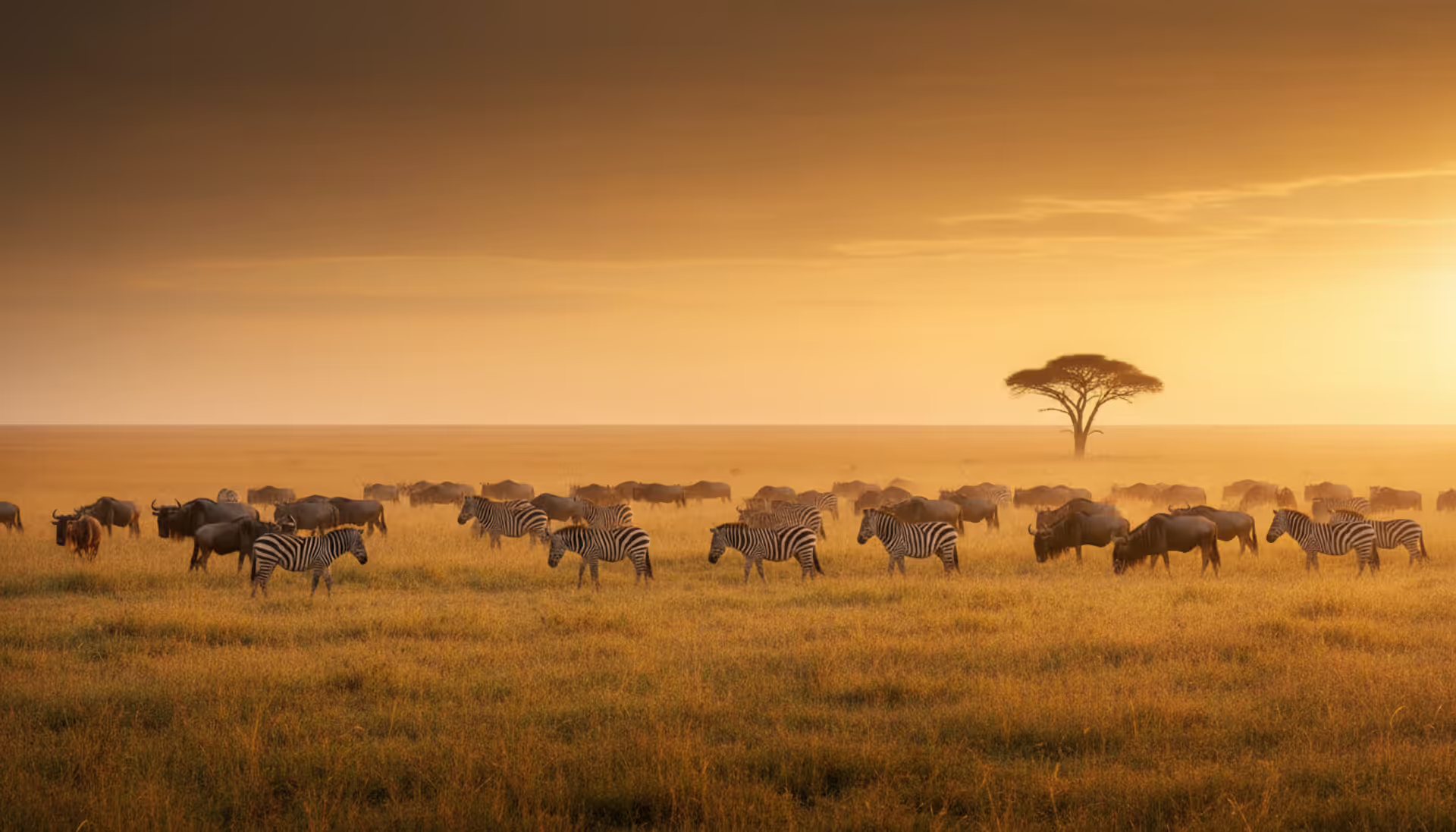
Namibia won't give you the Serengeti's wildebeest herds or the Okavango's water-based game viewing. What it offers instead is space, silence, and landscapes so ancient and austere they recalibrate your sense of scale. For the right traveler, that's worth far more than another leopard sighting.
The country's tourism sector continues to evolve, with new conservancies opening and lodges refining their offerings. By 2026, Namibia has positioned itself as the thinking person's safari destination—a place where the journey inward matters as much as the wildlife checklist, and where paying for luxury means funding one of Africa's most successful conservation models.
Whether you're planning your first African safari or your tenth, Namibia offers something genuinely different. The question isn't whether it's worth the investment—it's whether you're ready for a safari experience that prioritizes awe over abundance, and silence over spectacle.