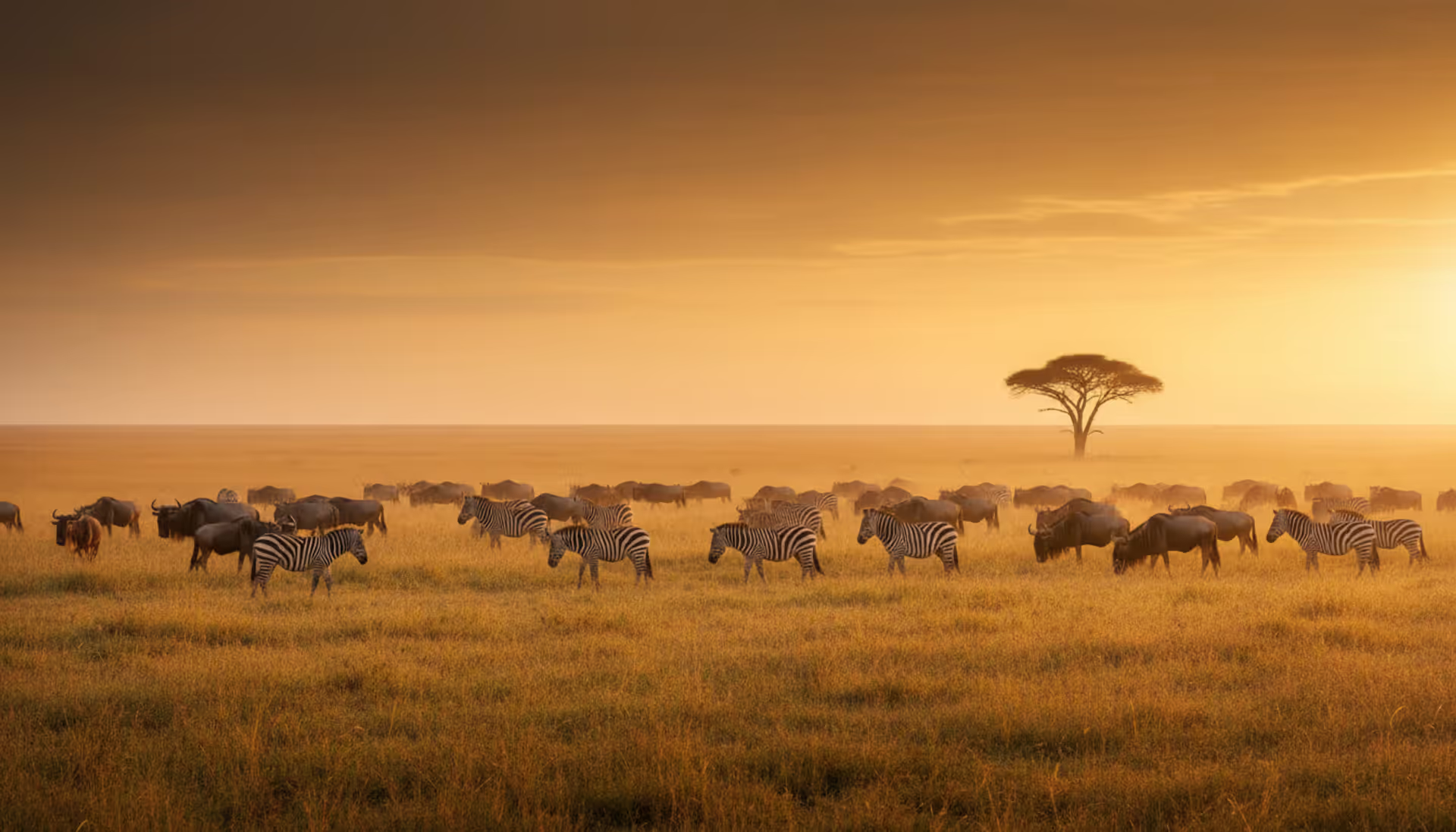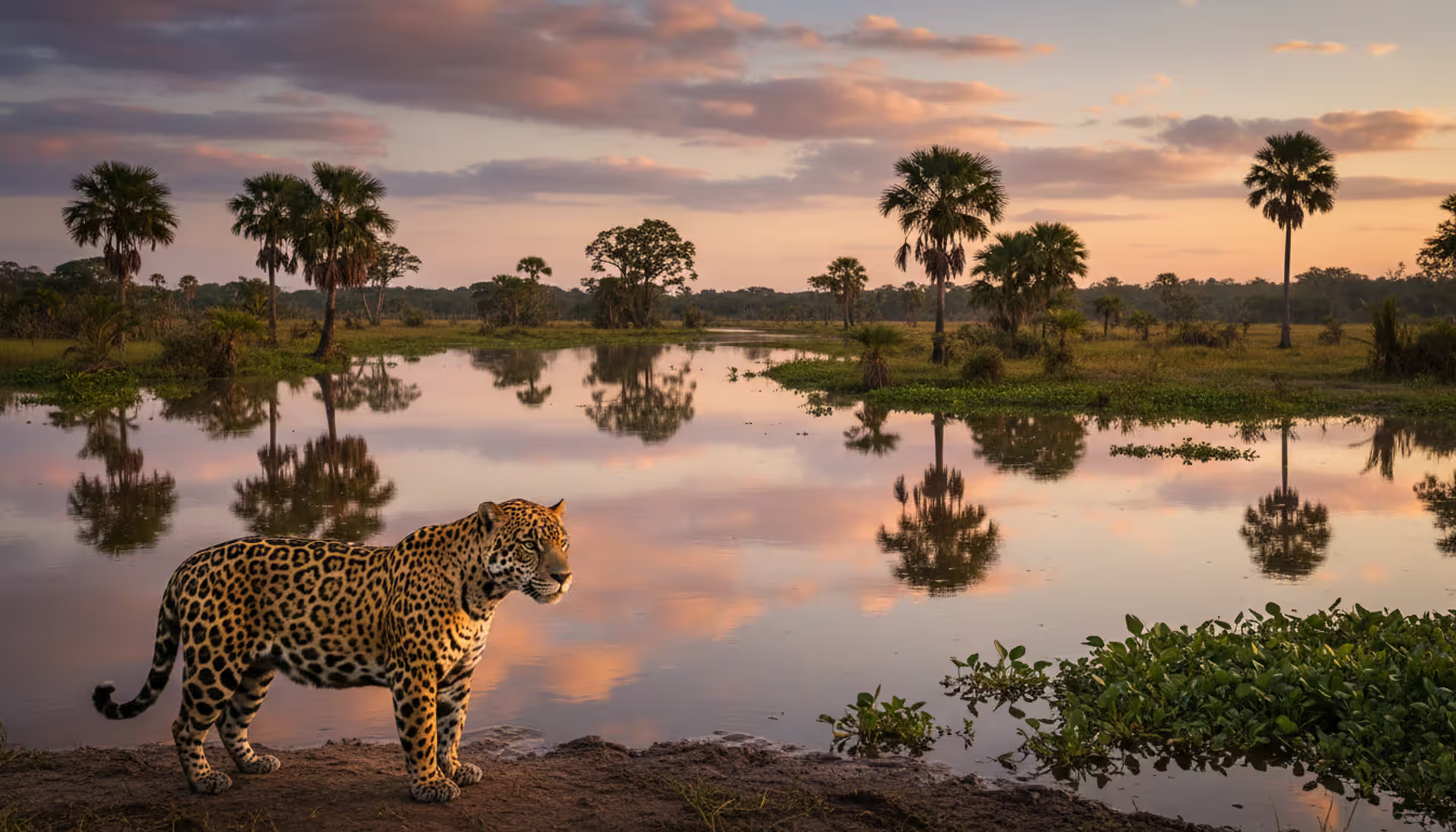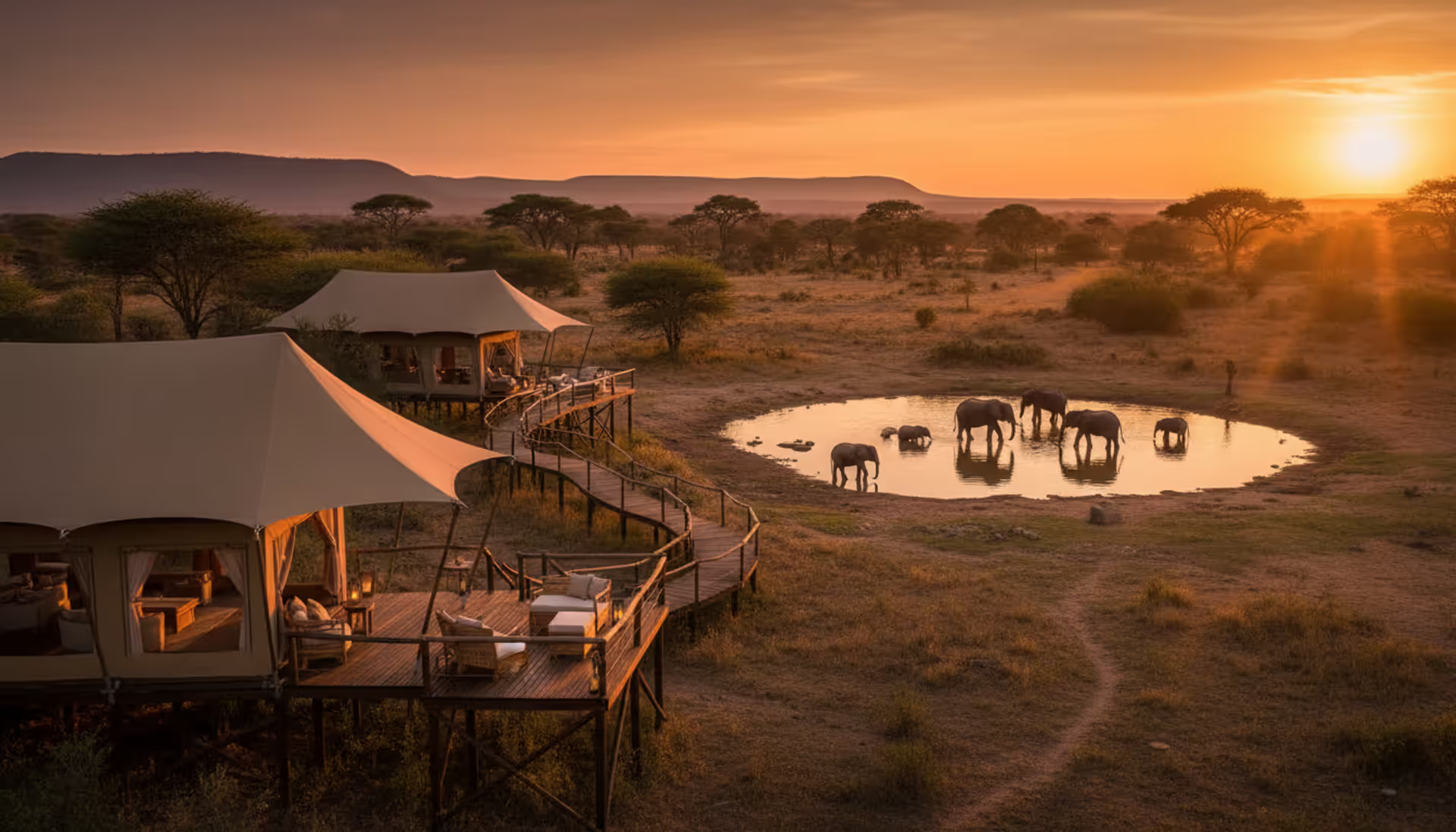
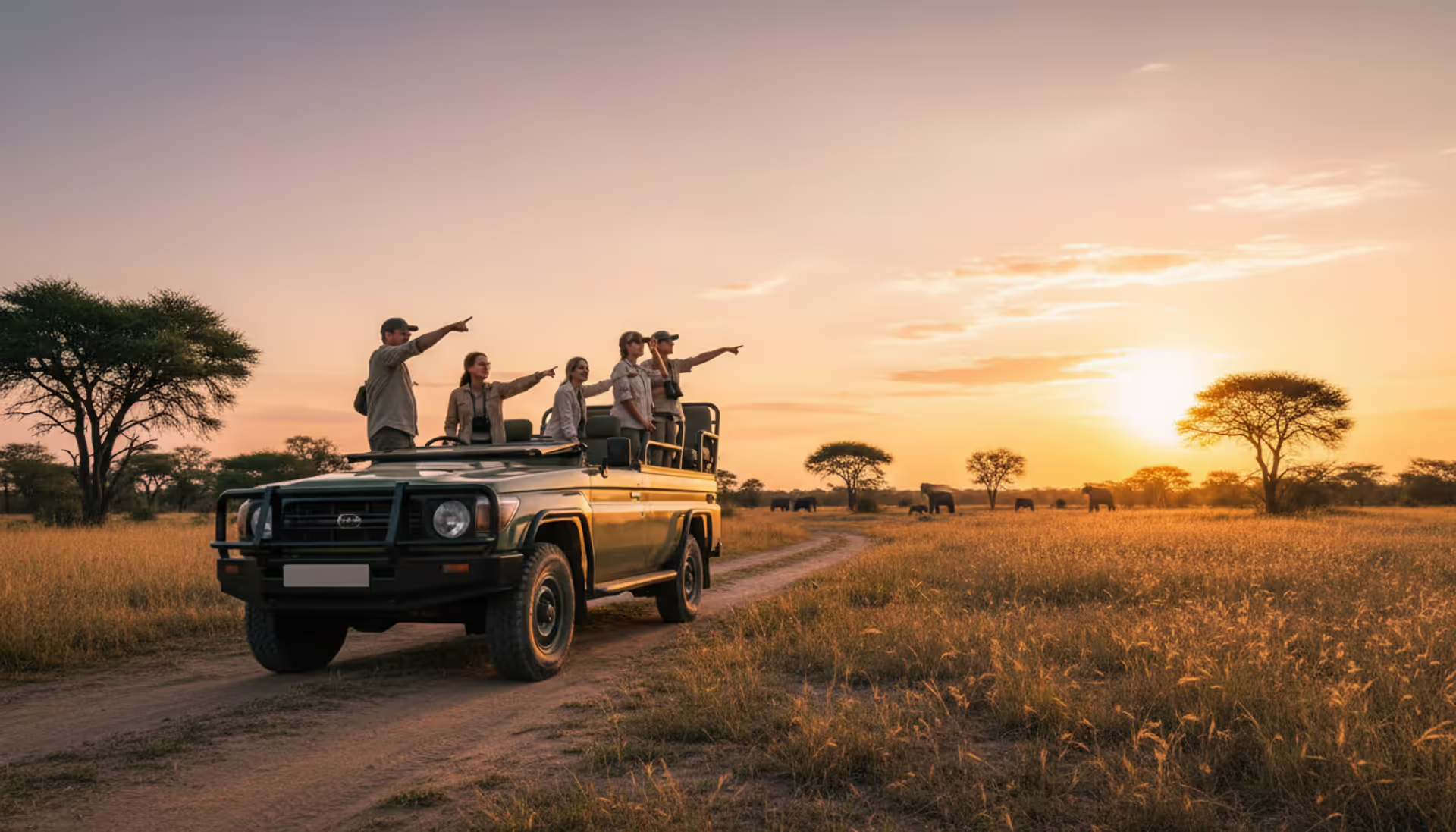
Open safari vehicle with tourists on a dirt road in South African savanna at sunset, acacia trees and elephant silhouettes near a waterhole
South African Safari Guide for Luxury Travelers
Content
South Africa delivers safari experiences unlike anywhere else on the continent. While Tanzania and Kenya showcase endless plains and dramatic migrations, this country concentrates incredible wildlife diversity into a destination you can combine with award-winning wine estates, vibrant cities, and reserves where malaria medication isn't necessary—all in one journey.
For travelers from the United States, the practical advantages are compelling: nonstop flights from New York, Atlanta, and Washington DC land you in Johannesburg, English is spoken everywhere, the tourism infrastructure matches first-world standards, and the rand-to-dollar exchange rate makes luxury surprisingly attainable compared to Botswana or Tanzania. Five-star lodges here compete with the finest properties anywhere in Africa, while offering flexibility to craft itineraries that extend well beyond morning and evening game drives.
All Big Five species thrive here—lion, leopard, elephant, buffalo, and rhino—sharing habitat with cheetah, wild dog, and more than 300 mammal species. The distinguishing factor? You can touch down at OR Tambo International Airport and watch elephants bathing at a waterhole before your first sunset, with many premier properties accessible by road and no mandatory bush plane connections.
What Makes South Africa Different for Safari
The private game reserve concept originated in South Africa. Where East African nations built their safari reputations around vast government-managed parks and seasonal animal movements, South Africa pioneered intimate, controlled wildlife encounters on privately administered land. This translates to groups of six instead of nine, permission to drive off established tracks when pursuing predators, night drives that reveal nocturnal species, and guides who monitor individual animals closely enough to recognize specific leopards by their spot patterns.
The malaria-free safari options represent a genuine distinction. Multiple outstanding reserves in the Eastern Cape and Western Cape sectors provide Big Five encounters without requiring antimalarial prophylaxis—a critical factor for families traveling with young children, expectant mothers, or anyone hesitant about medication protocols. Shamwari, Kwandwe, and Pumba rank among the premier malaria-free destinations, though reaching them demands longer road transfers or additional regional flights from Johannesburg.
Author: Daniel Ashcroft;
Source: reykjaviksegwaytours.com
Wildlife concentration in South Africa's premier reserves matches the finest locations continent-wide. Sabi Sands, sharing unfenced boundaries with Kruger, has earned worldwide recognition for leopard encounters—certain properties document sightings of these notoriously secretive cats on nine out of ten game drives. Such consistency results from decades of sophisticated land stewardship, aggressive anti-poaching programs, and radio communication systems allowing guides to share animal locations across reserve boundaries.
The itinerary combination possibilities exceed what other African destinations offer. Standard luxury programs often blend four nights tracking wildlife, three nights touring Stellenbosch or Franschhoek vineyards, and two nights exploring Cape Town's waterfront and Table Mountain. Building comparable destination diversity into a Kenya or Zambia trip proves far more challenging.
Architectural style separates South African lodges from their East African counterparts. Where Kenyan camps traditionally embrace heritage safari aesthetics—canvas tents and kerosene lanterns—South African properties favor bold contemporary design: infinity-edge pools cantilevered over wildlife corridors, walls of frameless glass, sculptural minimalist interiors, and temperature-controlled wine cellars housing hundreds of bottles from neighboring estates.
First-time guests consistently express surprise at how personal the wildlife encounters become in our private reserves. Instead of joining a procession of vehicles racing toward a sighting, we invest an hour observing a leopard teaching her cubs to hunt, documenting behaviors usually confined to nature documentaries
— Sarah Mitchell
Kruger National Park vs Private Game Reserves
Grasping the distinction between Kruger National Park itself and the privately operated reserves along its western edge is fundamental to selecting your ideal experience.
Public Kruger Lodges and Camps
Kruger National Park encompasses nearly 7,500 square miles of state-protected wilderness. SANParks (South African National Parks) manages rest camps distributed throughout the reserve, spanning basic bungalows through upscale accommodations like the renovated suites at Skukuza or the boutique-styled rooms at Punda Maria.
Choosing government-operated Kruger camps means dramatically lower expenses—sometimes one-tenth what private lodges command. Guests access an extensive network of paved and maintained dirt roads and can self-drive, which attracts independent travelers who value controlling their own daily rhythm. Wildlife viewing often proves outstanding; Kruger's immense scale supports staggering animal populations.
The compromises matter for luxury-oriented visitors. Game drives occur on designated roads alongside other vehicles. Peak season months (June through September) can create congestion at popular sighting locations. Guides must respect road boundaries—no cross-country pursuit when a leopard breaks from the tree line to hunt. Night drives exist only as specific scheduled programs, not standard offerings with every outing.
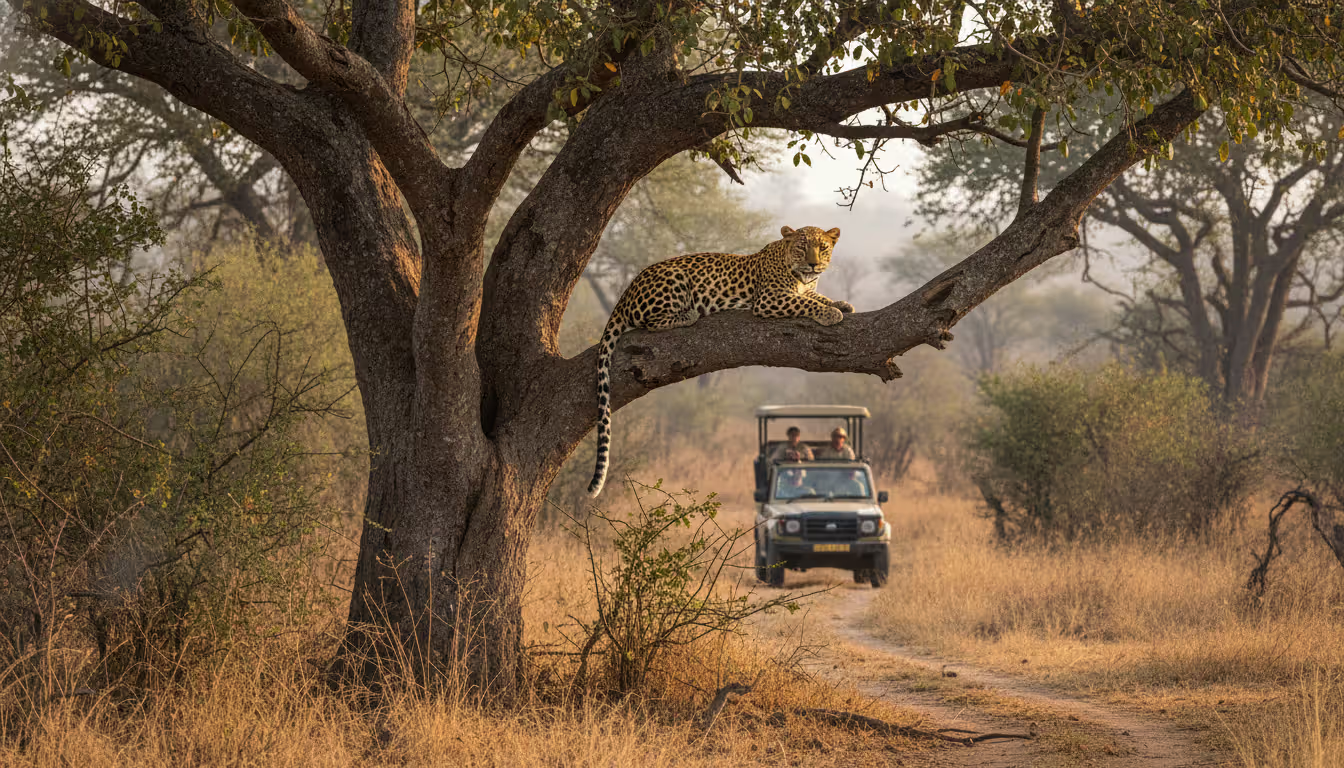
Private Reserves Along Kruger (Sabi Sands, Timbavati, Manyeleti)
Private reserves maintain open borders with Kruger, allowing unrestricted animal movement between government and private land. This detail carries enormous weight: you observe identical wildlife populations under completely transformed conditions.
Sabi Sands claims the longest operating history and typically commands premium pricing. Properties including Singita, Londolozi, and Leopard Hills have cultivated sterling reputations across multiple decades. The reserve's concentrated 65,000-hectare area focuses game viewing opportunities, and leopard density surpasses anywhere else globally.
Timbavati, moderately larger and less commercially developed, provides a rawer wilderness atmosphere. This reserve gave rise to the famous white lions, though encounters remain exceptional. Lodge options here span mid-to-upper luxury categories, frequently delivering superior value relative to Sabi Sands.
Manyeleti represents the smallest and most budget-conscious major private reserve option. Open boundaries connect it with both Kruger and Timbavati, granting guests access to enormous territories. Fewer lodges operate here, ensuring minimal crowding even during peak periods.
Author: Daniel Ashcroft;
Source: reykjaviksegwaytours.com
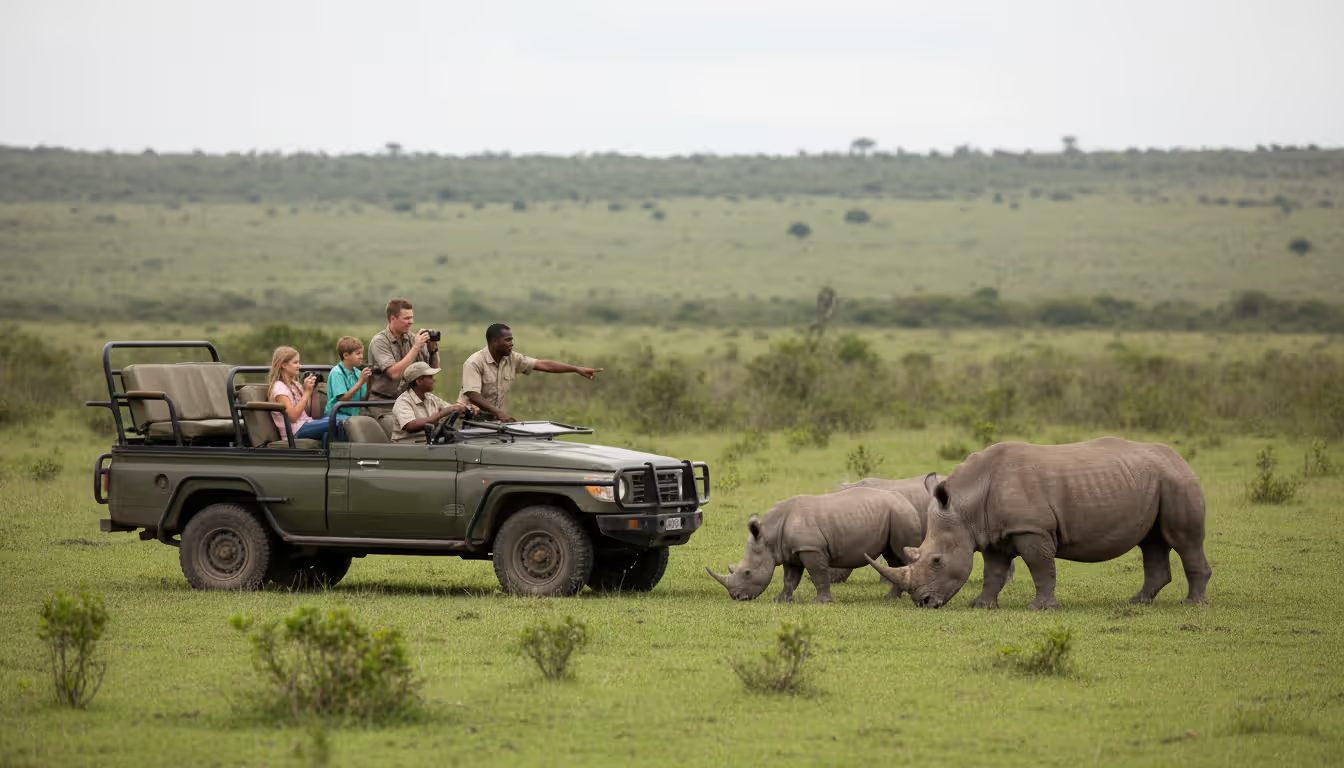
Private reserve advantages prove substantial: vehicles depart roads to track predators through dense vegetation, guides coordinate via radio to organize sightings while preventing vehicle congestion, night drives illuminate nocturnal creatures like aardvark and serval, and walking safaris (where regulations permit) introduce completely different perspectives on the ecosystem.
Group sizes stay smaller—generally six guests per vehicle compared to nine in public Kruger sections. Your assigned guide and tracker partnership remains constant throughout your stay, learning your photographic interests and adjusting each outing accordingly.
Comparison of Kruger National Park Public Lodges vs Private Reserve Lodges
| Feature | Public Kruger Lodges | Private Reserve Lodges |
| Price range | $150–$400 nightly | $600–$2,500+ nightly |
| Game drive exclusivity | Shared roads with multiple vehicles | Off-road tracking capabilities, controlled vehicle numbers per sighting |
| Guiding quality | Varies widely, self-drive options available | Dedicated guide/tracker partnerships, extensively trained |
| Accommodation style | Rest camp bungalows through boutique rooms | Luxury suites with private plunge pools, butler service |
| Crowds | Can feel congested during peak months | Strictly managed, typically two to three vehicles maximum per sighting |
| Off-road driving allowed | No, vehicles confined to designated routes | Yes, for active predator tracking |
| Walking safaris | Limited scheduled offerings | Available at most properties with certified armed guides |
Types of Luxury Safari Lodges in South Africa
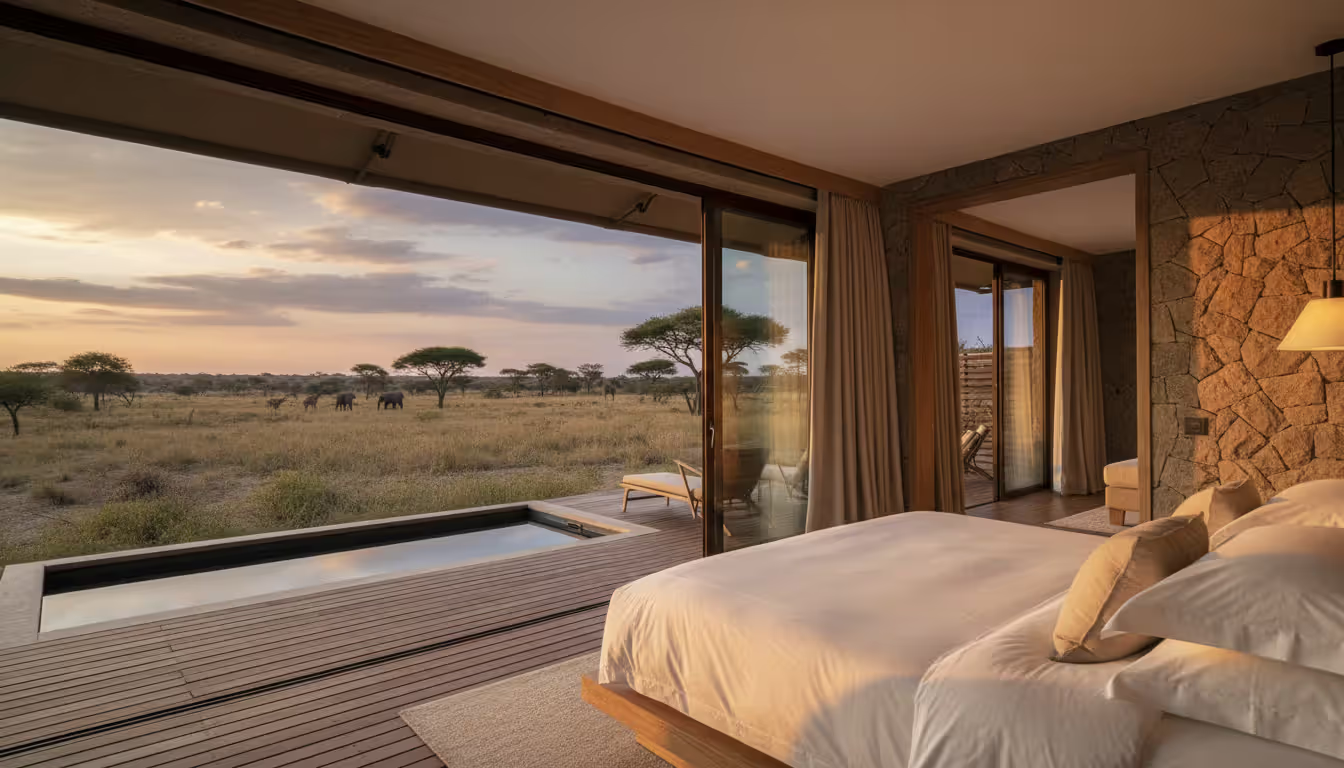
The descriptor "luxury" encompasses a broad spectrum. Entry-level premium properties (approximately $600–$900 per person nightly) deliver generous rooms with superior linens, accomplished cuisine, twice-daily game drives, and professional service. Advancing to ultra-luxury ($1,200–$2,500+) introduces private plunge pools, outdoor rain showers, fully stocked in-room bars customized to your spirits preferences, and dedicated butler assistance.
Classic tented camps preserve romantic safari traditions—canvas walls, elevated wooden decks, and unfiltered bush sounds throughout the night—while incorporating king beds, ensuite marble bathrooms, and air conditioning. Sabi Sabi Selati Camp and andBeyond Ngala Tented Camp exemplify this category with authenticity meeting comfort.
Contemporary lodges embrace cutting-edge architecture and interior design. Picture concrete, glass, and steel structures that frame the surrounding landscape like museum-quality installations. Singita Lebombo and Lion Sands Ivory Lodge represent this philosophy, featuring climate-controlled wine cellars, curated art collections, and interiors that could anchor Architectural Digest features.
Exclusive-use villas accommodate families or groups seeking total privacy. Properties like Royal Malewane's Royal and Malewane Suites or Singita's private villa options include dedicated safari vehicles, private chefs who design menus around dietary preferences, and complete schedule autonomy. Anticipate investments of $8,000–$15,000+ nightly for these experiences, though you're effectively reserving an entire boutique property.
Honeymoon suites take romantic details seriously. Private infinity pools, outdoor copper bathtubs positioned for sunset immersion, in-suite spa treatments, and champagne breakfasts served in dry riverbeds come standard. Properties market specific accommodations toward honeymooners—Lion Sands River Lodge's Chalkley Treehouse, where couples sleep beneath star-filled skies on an elevated platform, books months ahead.
Author: Daniel Ashcroft;
Source: reykjaviksegwaytours.com
True luxury in this context transcends thread counts or marble fixtures. It manifests in guides who recall your casual mention of wanting to photograph malachite kingfishers and position the Land Cruiser perfectly at dawn light. It appears in chefs who prepare entirely gluten-free menus without requiring repeated reminders. It shows when you return from a morning drive discovering your camera batteries recharged and binoculars cleaned without asking.
How to Choose the Right Safari Package
Duration impacts the experience more profoundly than most first-time visitors anticipate. Two nights yield four game drives—sufficient for an introduction, though most guests depart wishing they'd scheduled additional time. Three nights (six drives) represents the minimum most safari consultants recommend. Four to five nights allows the rhythm to settle; urgency dissipates and you begin noticing subtler details like oxpecker behavior or identifying animal tracks.
Regional selection hinges on your priorities. Kruger and its associated private reserves deliver the most dependable Big Five viewing and broadest selection of lodge styles and price points. Eastern Cape reserves supply malaria-free alternatives with excellent wildlife diversity but generally require extended travel times. KwaZulu-Natal destinations like Phinda and Thanda incorporate coastal elements—you can merge bush and beach within a single property.
All-inclusive pricing structures dominate luxury lodges, covering accommodations, all meals, twice-daily game drives, and typically house beverages (South African wines, spirits, local beers, soft drinks). Standard exclusions include: premium imported spirits, spa treatments, dedicated private vehicle use beyond regular scheduled drives, and conservation fees at certain properties.
Destination combinations showcase South Africa's particular strength. Classic itineraries blend four nights in a private reserve with three nights in Cape Town and two exploring Winelands estates. Logistics prove manageable—multiple daily scheduled flights connect Kruger Mpumalanga International Airport (KMIA) or private airstrips to Cape Town International.
Solo travelers encounter single supplements at virtually all lodges, typically adding 50–75% to the per-person tariff. Select properties schedule dedicated solo-traveler weeks with reduced supplements or shared-vehicle arrangements worth investigating for independent adventurers.
Honeymoon packages bundle attractive extras: complimentary room category upgrades, private bush dinners under lantern light, couples' spa rituals, and occasionally bonus nights. Book directly through lodges or specialized safari operators to access these perks—they rarely appear on general booking platforms.
Family safaris demand different planning. Many premier lodges enforce minimum age requirements of 12 or 16 for shared game drives. Family-oriented properties like Sabi Sabi Selati Camp or Tanda Tula's dedicated family suite provide private vehicles, child-engaged guides, and flexible scheduling accommodating shorter attention spans and midday rest requirements.
Safari Costs and What's Included
Budget $600–$1,200 per person nightly at excellent mid-tier luxury lodges throughout private reserves. This category encompasses properties like Notten's Bush Camp, Tanda Tula Safari Camp, and Garonga Safari Camp—all delivering accomplished guiding, comfortable well-appointed accommodations, and quality food and South African wine programs.
The $1,200–$2,000 tier elevates you to ultra-luxury: Singita properties, Londolozi camps, Royal Malewane, and Lion Sands lodges. This investment purchases exceptional architectural design, elevated staff-to-guest ratios, premium imported beverages, and frequently superior wildlife viewing positioning earned through decades of conservation investment.
Beyond $2,000 per person nightly, you enter exclusive-use territory, signature suites, or peak-season rates at the continent's most prestigious addresses.
These tariffs include: all meals from breakfast through multi-course dinners, twice-daily game drives (typically morning and evening), house wines and spirits, full laundry service, and WiFi connectivity. Most lodges now incorporate one additional activity—guided bush walks, sleep-out experiences, or specialized photographic workshops.
Additional expenses accumulate. Conservation levies range $10–$30 per person per night at many reserves. Gratuities for guide teams and lodge staff typically total $25–$40 per guest daily, divided between your guide/tracker partnership and general hospitality staff. Spa treatments span $80 for basic massages to $250+ for extended packages. Private vehicle use, should you want drives separate from other guests, adds $200–$400 per outing.
Seasonal pricing creates strategic opportunities. Green season (November through March) rates can discount 30–40% below peak dry season (July through September) pricing. Trade-offs include afternoon thunderstorms and denser vegetation, balanced against fewer tourists and spectacular storm light. Shoulder periods (April–May and October) frequently provide optimal balance of favorable weather, active wildlife, and value.
Best Time to Visit for a South African Safari
Dry winter months spanning May through September deliver textbook safari conditions. Vegetation thins dramatically, animals concentrate around permanent water sources, and moderate temperatures make midday wildlife viewing pleasant. July and August represent absolute peak season—anticipate fully booked lodges and maximum pricing, though also the most consistent large predator encounters.
Early morning winter temperatures can plummet to 40°F (4°C), climbing toward 70–75°F (21–24°C) by mid-afternoon. Layer strategically: insulated jacket for pre-dawn departures, lighter garments for midday comfort.
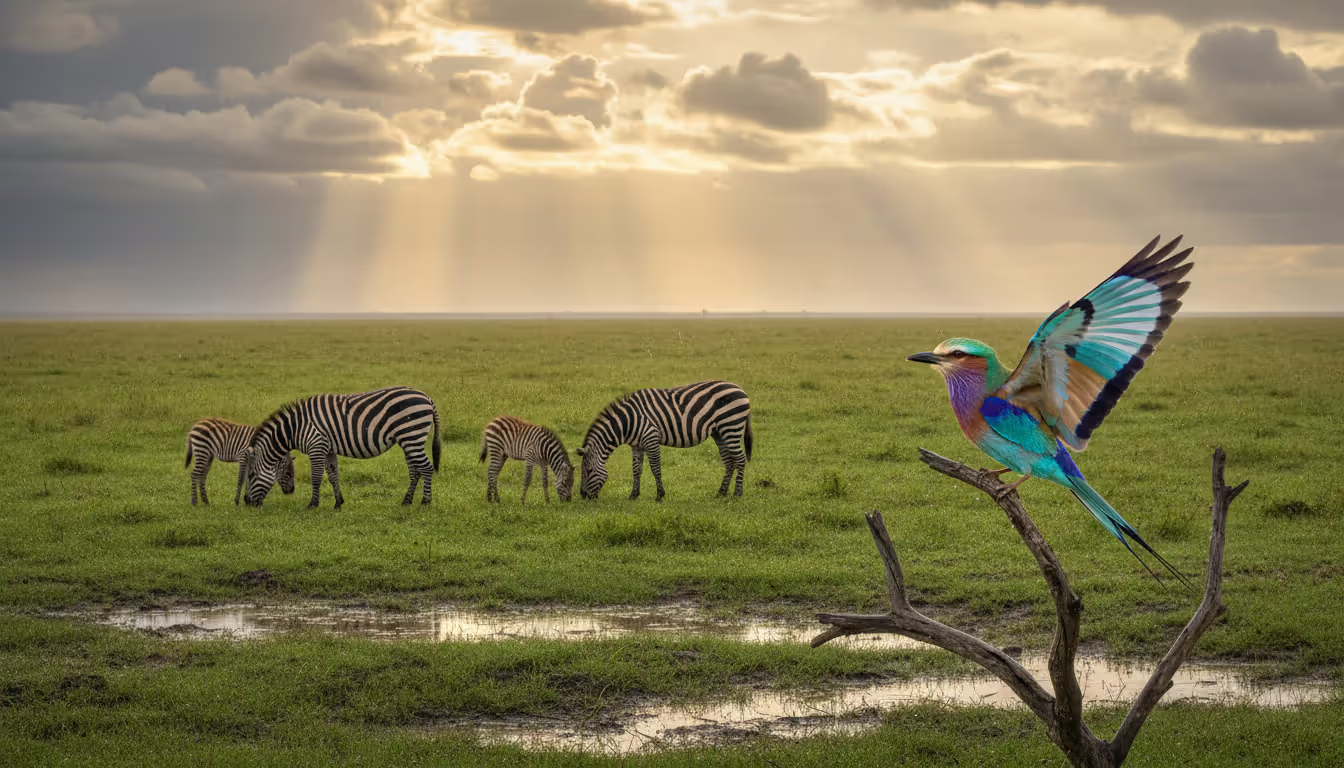
Green season (November through March) completely transforms the environment. Summer precipitation creates lush landscapes, hundreds of migrant bird species arrive in spectacular numbers, and numerous animals birth offspring—attracting predators to vulnerable young. Expect temperatures reaching 85–95°F (29–35°C) accompanied by elevated humidity.
The compromises prove significant. Dense foliage complicates animal spotting. Afternoon thunderstorms occasionally interrupt drives, though typically briefly and dramatically rather than eliminating entire days. Advantages include: substantially reduced tourist numbers, discounted rates, and extraordinary photographic possibilities with dramatic storm lighting against emerald backdrops.
Birdwatching enthusiasts find summer non-negotiable. Hundreds of European and northern African migrant species arrive, while resident birds display full breeding plumage and courtship behaviors.
Author: Daniel Ashcroft;
Source: reykjaviksegwaytours.com
Honeymoon timing often prioritizes seclusion over optimal game viewing windows. Consider shoulder periods—April through May or October through early November—delivering pleasant weather, solid wildlife activity, and fewer families traveling during school vacation periods.
Wildlife viewing patterns shift throughout seasons. Leopard sightings remain remarkably consistent year-round in elite reserves like Sabi Sands. Lion prides become easier to locate during winter months when they maintain proximity to water sources. Wild dog denning season (May through August) creates rare opportunities observing pups at den sites, though packs prove harder to locate when ranging widely during summer months. Elephant herds concentrate more during dry periods but exhibit more relaxed, playful behaviors during green season when abundant food reduces competition stress.
Booking Your Luxury Safari
Reserve accommodations 9–12 months ahead for peak season travel (June through September) or major holiday periods. Premier lodges sell completely, and specific room categories (honeymoon suites, exclusive-use villas) disappear even faster. Green season travel typically requires 4–6 months advance booking, though greater lead time still improves selection.
Safari specialists versus direct lodge booking each offer distinct advantages. Specialist operators like Micato Safaris, andBeyond, or Wilderness Safaris leverage relationships that can secure complimentary upgrades, added amenities, or access to otherwise fully booked properties. They coordinate complex logistics—multiple lodges, internal flight connections, Cape Town extensions—and provide support channels when problems emerge.
Direct lodge booking occasionally yields superior rates, particularly during slower periods when properties discount direct reservations. You communicate straight with teams managing your actual stay, valuable for communicating specific requests or dietary requirements.
Travel insurance represents essential protection, not optional coverage. Medical evacuation from isolated reserves costs $25,000–$50,000+. Comprehensive policies must cover trip cancellation for any reason, medical emergencies including helicopter evacuation, and baggage delays or loss. Specialized adventure travel insurance often provides better safari-specific coverage than standard travel policies.
Health requirements remain straightforward for South African safari travel. No vaccinations carry mandatory status for United States passport holders entering South Africa directly, though hepatitis A and typhoid receive recommendations. Yellow fever vaccination becomes mandatory only when arriving from countries where yellow fever is endemic.
Malaria prophylaxis requirements depend entirely on destination selection. Kruger and associated private reserves fall within malaria zones; consult travel medicine physicians regarding antimalarial medication options. Eastern Cape reserves (Shamwari, Kwandwe, Pumba) carry no malaria risk. Many travelers select prophylaxis even during lower-risk dry season—discuss medications like Malarone, doxycycline, or Atovaquone-proguanil combinations with specialists.
Packing essentials for luxury safaris prove more specific than casual travelers anticipate. Neutral-toned clothing (khaki, olive, tan, brown) helps you blend into surroundings without alarming animals. Most lodges provide daily laundry service, enabling light packing—three to four safari outfit sets prove entirely sufficient. Layering remains critical: warm fleece or lightweight down jacket for frigid pre-dawn departures, breathable long sleeves protecting against sun exposure and insects, and packable rain shell for unexpected precipitation.
Bring quality binoculars (8x42 or 10x42 magnification recommended), headlamp for navigating camps after dark, broad-spectrum SPF 50+ sunscreen, and wide-brimmed sun hat. Serious photographers should pack 200–400mm telephoto zoom lenses for distant wildlife; discuss optimal camera settings and vehicle positioning strategies with your guide.
Most luxury properties stock complimentary insect repellent, sunscreen, and backup binoculars, though carrying your own ensures constant availability. South African electrical outlets require Type M three-round-pin adapters—lodges stock limited quantities.
Frequently Asked Questions
South Africa has refined luxury safari experiences into a sophisticated art. The combination of exceptional wildlife encounters, malaria-free reserve options, architecturally distinguished lodges, and unique ability to pair bush experiences with wine estates or dynamic cities creates opportunities unmatched elsewhere across Africa.
Your decision between public Kruger and private reserves will shape your experience more fundamentally than any other choice. Budget-conscious travelers can achieve excellent wildlife encounters staying in Kruger's superior rest camps. Visitors prioritizing intimate, exclusive experiences will find private reserves justify the premium investment—the difference in guiding expertise, off-road tracking access, and comprehensive service proves substantial.
Visit timing involves calculated trade-offs. Peak dry season delivers optimal game viewing reliability but accompanies crowds and elevated pricing. Green season offers dramatic landscapes, attractive rates, and genuine solitude, though requires patience with denser vegetation and occasional afternoon storms.
The financial commitment to a luxury South African safari—whether $5,000 or $15,000+ per person for one week—purchases far more than wildlife sightings. You invest in expertise: guides who've devoted decades to the bush and interpret animal behavior like a native language. You purchase time: hours observing a single leopard rather than rushing toward the next radio-called sighting. You support conservation: luxury safari revenue directly funds anti-poaching units, habitat restoration initiatives, and community development programs protecting these irreplaceable ecosystems for future generations.
Begin planning 9–12 months before peak season travel, engage safari specialists if complex logistics feel overwhelming, and resist shortchanging the experience by scheduling insufficient nights. The transformative power of a South African safari extends beyond the moment a lion crosses meters from your vehicle—it accumulates through repeated sunrises over acacia-studded horizons, sundowners sipped while elephants bathe at watering holes, and the profound realization you're witnessing behaviors unchanged across millennia.