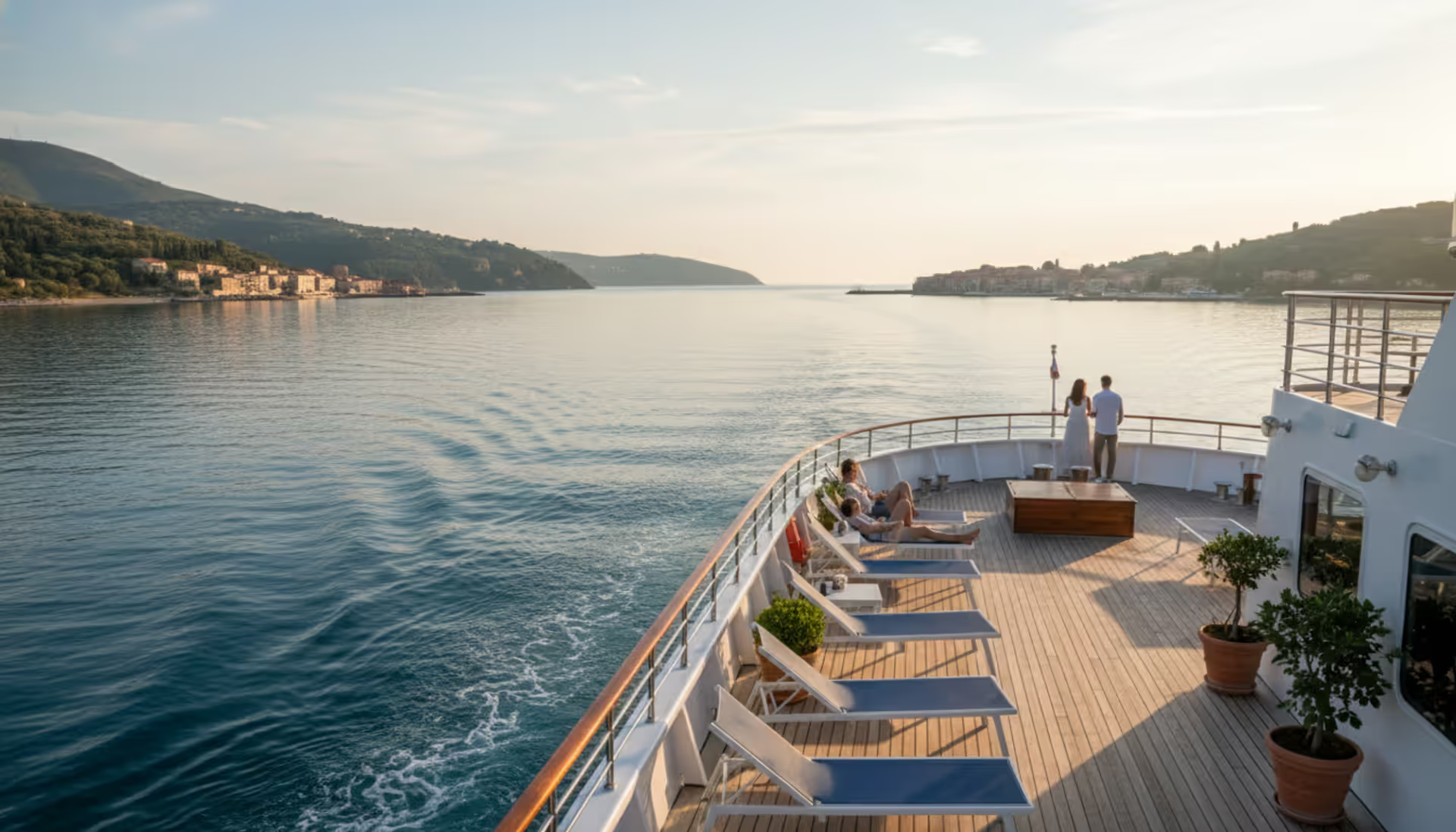
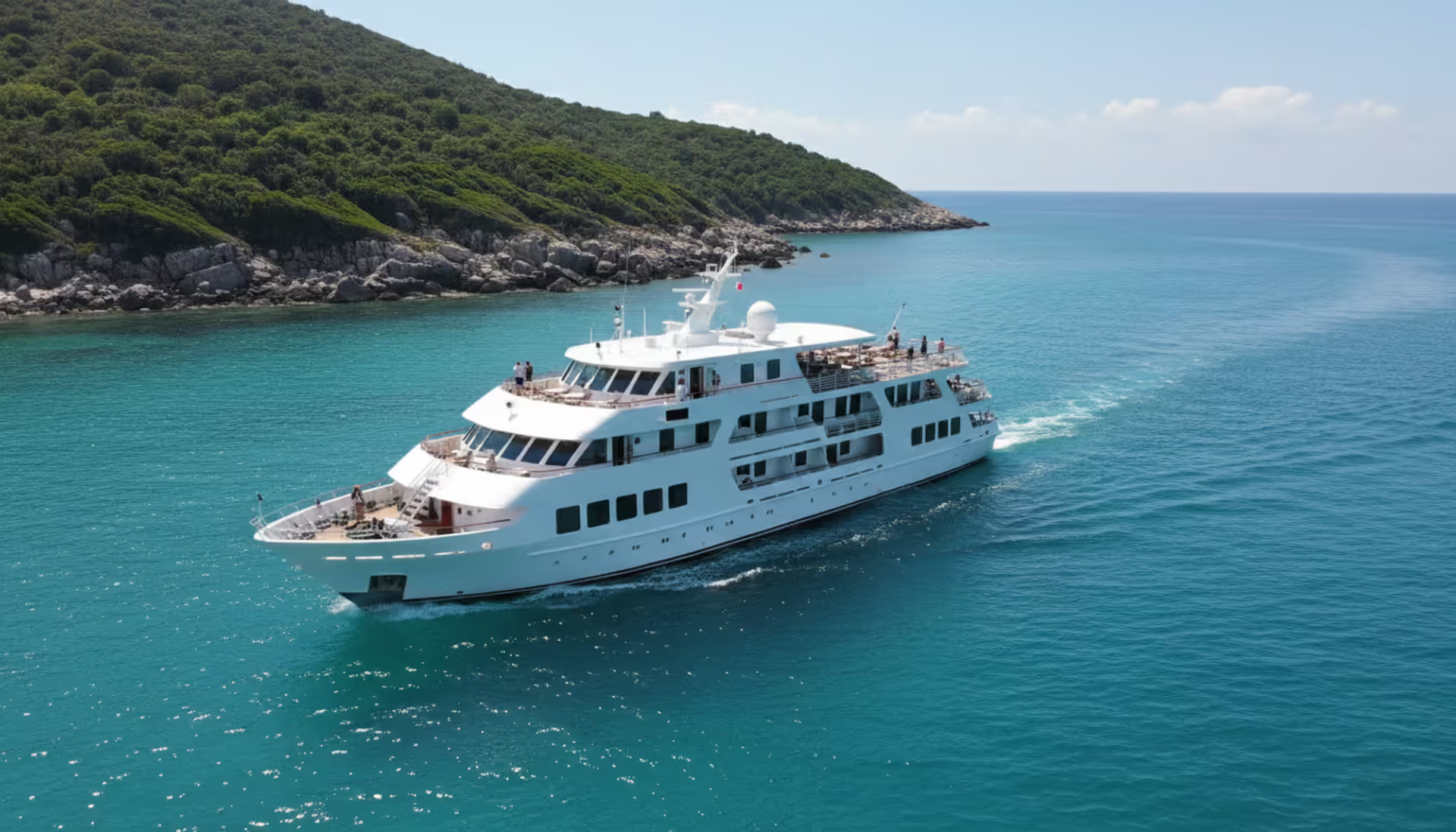
Small luxury cruise ship sailing along a scenic rocky coastline with turquoise water on a sunny day
Small Ship Cruises Guide

Content
Most travelers picture massive floating resorts when they think of cruising—buffet lines stretching the length of a football field, Broadway-style shows, and thousands of passengers competing for deck chairs. Small ship cruises flip that script entirely.
These vessels carry fewer than 500 passengers, often just 50 to 300, creating an experience that feels more like a private yacht charter than a conventional cruise. Instead of fighting crowds at the Lido deck, you're sharing expedition discoveries with a handful of fellow travelers who become familiar faces by day two. Instead of tendering to overcrowded ports that accommodate mega-ships, you're docking at hidden harbors and remote anchorages that larger vessels simply can't reach.
What Are Small Ship Cruises and Who Are They For?
Small ship cruises operate on vessels designed to carry between 12 and 500 passengers, though most hover in the 100-200 passenger range. These aren't scaled-down versions of mainstream cruise ships—they're purpose-built for entirely different travel experiences.
The defining characteristics go beyond passenger count. Small ships typically measure under 25,000 gross tons (compared to 150,000+ for modern mega-ships) and feature shallow drafts that allow navigation through narrow channels, up rivers, and into protected coves. Many lack the casinos, multiple pools, and climbing walls you'd find on larger vessels. What they offer instead: naturalist-led Zodiac landings in Antarctica, cooking classes with local chefs in Croatian villages, or kayaking directly from the ship's marina platform in Alaska's Inside Passage.
These small group cruise experiences attract specific traveler profiles. Retirees seeking cultural immersion without the spring break atmosphere represent a significant segment. Couples celebrating milestones who want personalized service and unique destinations make up another core group. Adventure-minded travelers in their 40s and 50s—people who'd rather hike a glacier than attend a poolside belly-flop contest—also gravitate toward these vessels.
Small ship cruising works best for travelers who value access over amenities, conversation over entertainment, and discovery over distraction. If you need multiple dining venues, kids' clubs, or nightly production shows, a traditional cruise ship serves you better. If you'd rather spend evenings discussing the day's wildlife sightings with the expedition leader over a single-malt whisky, small ships deliver that intimacy.
Author: Alexander Moreau;
Source: reykjaviksegwaytours.com
Types of Small Ship Cruises Available
The small ship sector encompasses several distinct categories, each serving different travel priorities and price points.
Expedition Small Ships
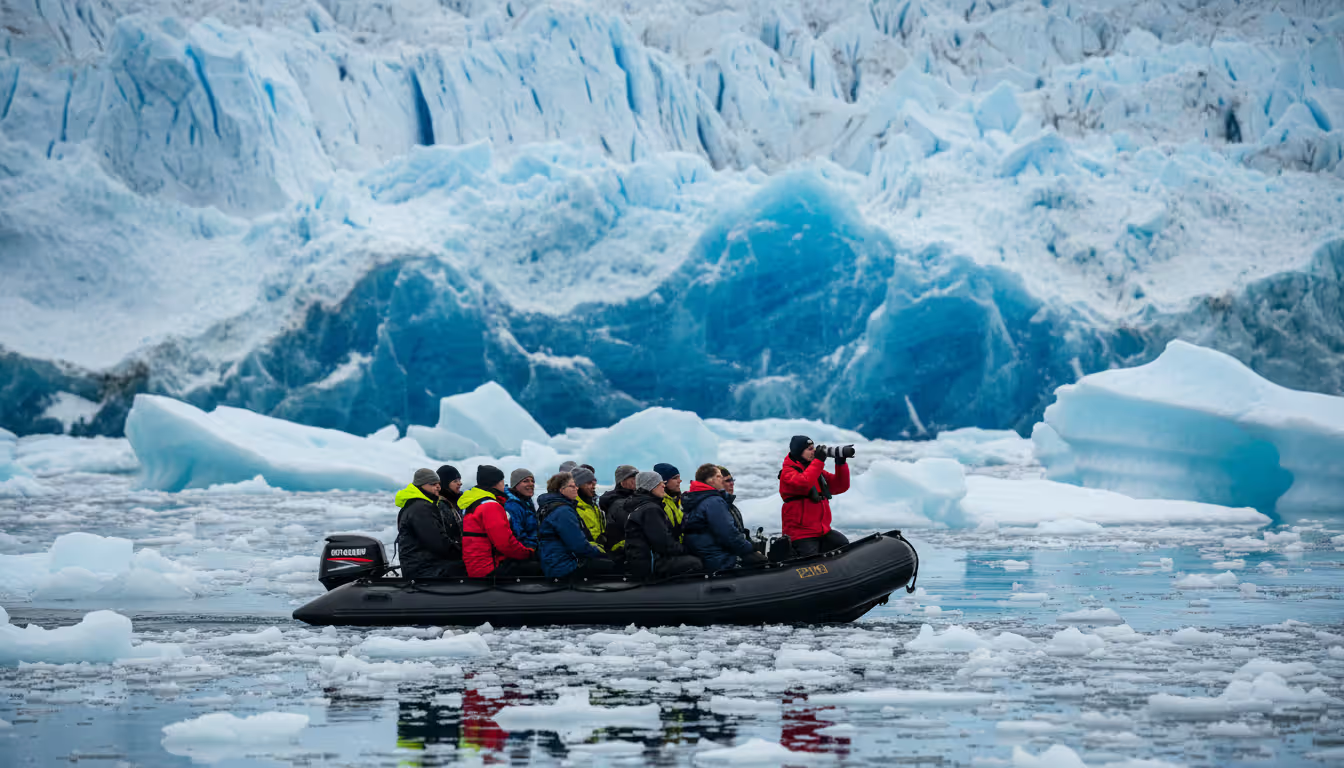
Expedition small ships prioritize destination access and educational programming over onboard luxury. These ice-strengthened or reinforced vessels venture to polar regions, remote island chains, and ecologically sensitive areas where larger ships can't operate.
Companies like Lindblad Expeditions, Hurtigruten Expeditions, and Quark Expeditions dominate this category. Their ships typically carry 100-200 passengers and feature Zodiac fleets, kayaking equipment, and onboard naturalists, marine biologists, and historians. Cabins tend toward functional rather than lavish—think well-appointed hotel rooms rather than suites.
The focus stays firmly on what happens off the ship. A typical Antarctic expedition might include two to three landings daily, with passengers hiking among penguin colonies, photographing leopard seals, or cruising past calving glaciers in inflatable boats. Onboard lectures from PhD-level experts prepare passengers for upcoming landings and explain the science behind what they're witnessing.
Pricing reflects the specialized nature: expect $500-$1,200 per person per day for most expedition itineraries, with polar voyages commanding premium rates due to short seasons and high operational costs.
Luxury Small Ship Cruises
Luxury small ship cruises combine intimate vessel size with five-star service, gourmet cuisine, and upscale accommodations. These vessels rarely exceed 200 passengers and often include all-inclusive pricing that covers premium drinks, excursions, and gratuities.
Seabourn, Silversea Expeditions, and Ponant exemplify this category. Their ships feature spacious suites with verandas, multiple dining venues serving cuisine that rivals Michelin-starred restaurants, and crew-to-passenger ratios approaching 1:1. Some include personal butlers for every suite, unlimited premium spirits, and complimentary shore excursions in every port.
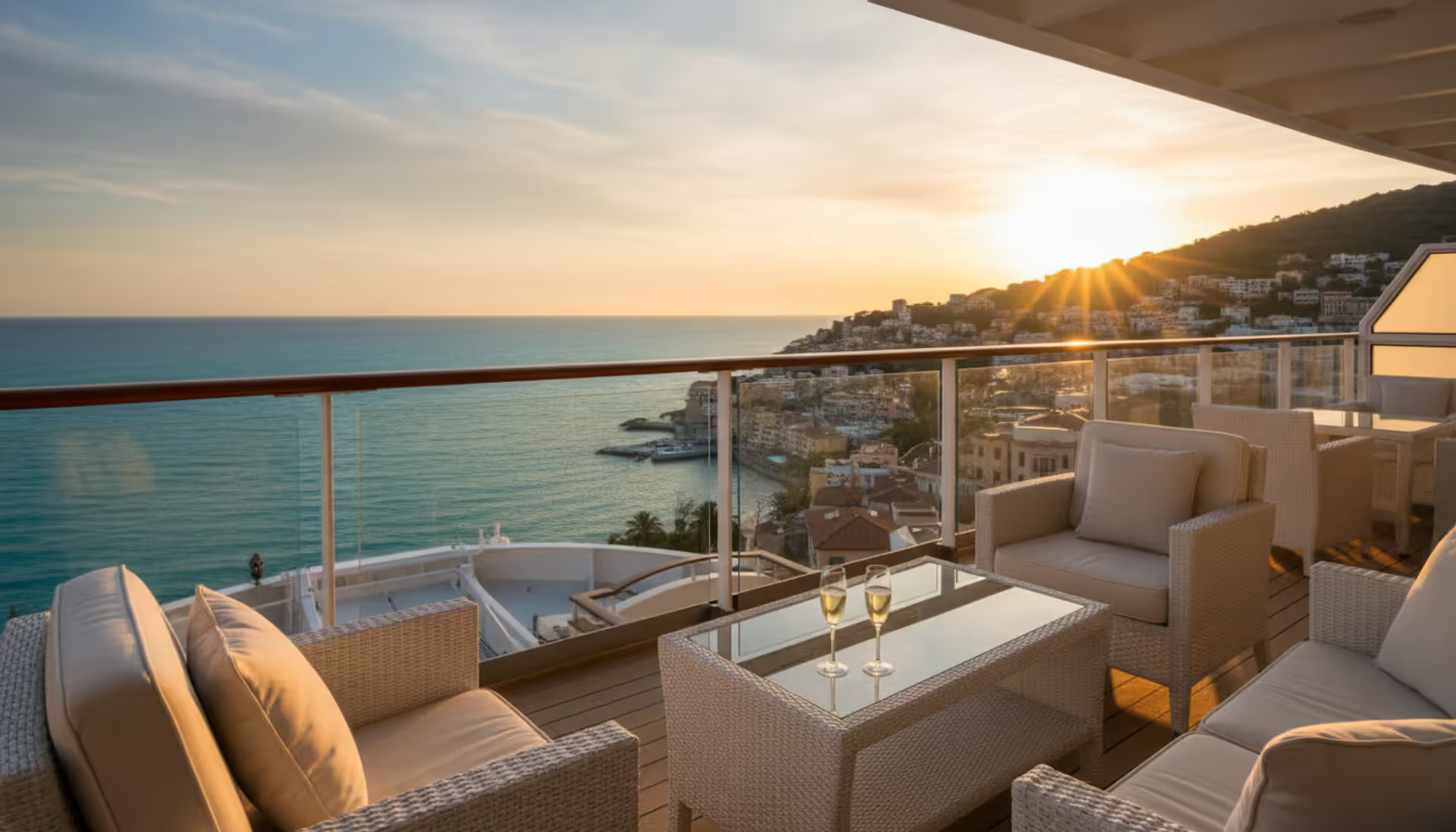
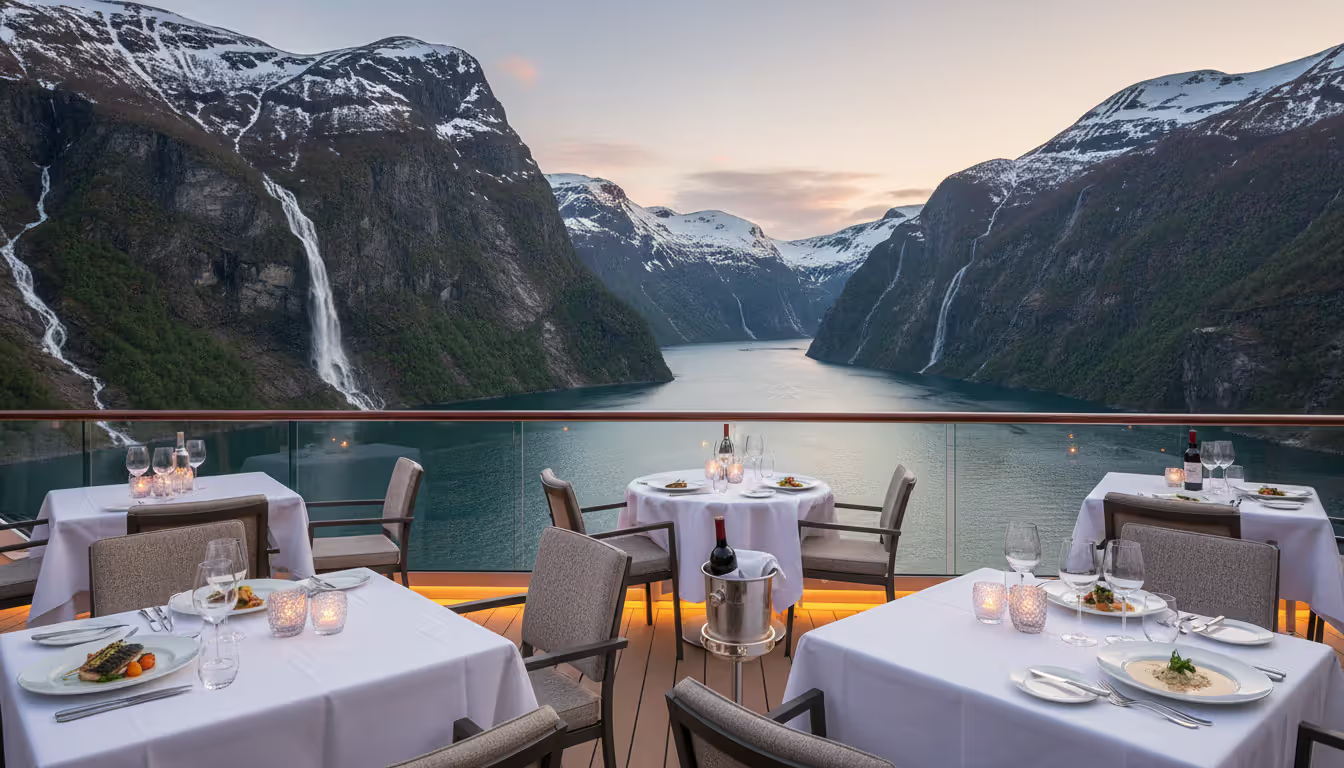
The luxury small ship experience emphasizes refinement without stuffiness. You might attend a champagne reception on the top deck while sailing past Norwegian fjords, followed by a multi-course dinner featuring local ingredients prepared by a guest chef from the region. Days in port often include exclusive access—private museum tours after closing, performances arranged specifically for ship passengers, or meals at restaurants not open to the general public.
These premium small ship cruises command rates from $700-$2,000+ per person per day, with all-inclusive models simplifying budgeting despite the high entry cost.
Author: Alexander Moreau;
Source: reykjaviksegwaytours.com
Boutique and Intimate Cruise Lines
Boutique cruise lines occupy the middle ground between expedition focus and luxury indulgence. These intimate cruise lines emphasize cultural immersion, regional cuisine, and destination authenticity without the price tags of ultra-luxury brands.
UnCruise Adventures, Windstar Cruises (on their smaller vessels), and American Cruise Lines represent this category well. Ships typically carry 50-150 passengers and visit secondary ports that showcase local culture rather than tourist infrastructure. You'll find comfortable but not opulent cabins, quality dining that features regional specialties, and excursions that prioritize authentic experiences over manufactured attractions.
A Croatian coastal cruise on a boutique vessel might anchor in small fishing villages where the ship's chef purchases ingredients directly from local markets for that evening's dinner. Shore excursions could include olive oil tastings at family farms, guided walks through medieval towns before the tour buses arrive, or swimming stops in secluded bays.
Pricing for boutique and intimate cruise lines generally ranges from $300-$700 per person per day, offering the small ship advantages without luxury pricing.
How Small Ship Cruises Differ from Traditional Ocean Liners
The contrasts between small ships and conventional cruise ships extend far beyond passenger counts.
Author: Alexander Moreau;
Source: reykjaviksegwaytours.com
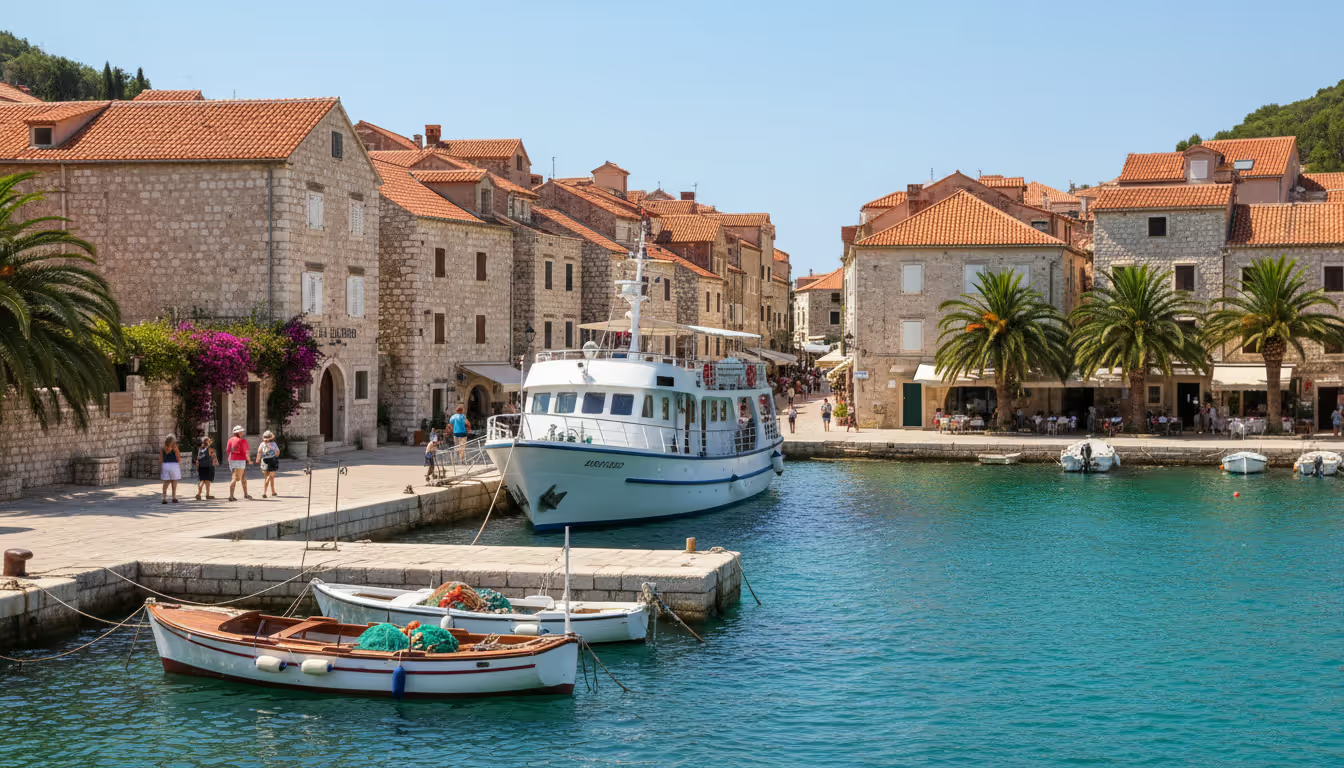
Destination access represents the most significant difference. Small ships dock at ports that can't accommodate mega-ships—places like Kotor, Montenegro; the San Juan Islands; or remote Alaskan villages. Where large ships must anchor offshore and tender passengers to land (adding hours to port time), small ships often tie up directly at town centers. This grants you extra hours ashore and eliminates the hassle of shuttle boats.
Port experience changes dramatically too. When a 5,000-passenger ship disgorges its passengers into a small Mediterranean village, the town transforms into a tourist circus. When your 150-passenger vessel arrives, you're visitors rather than an invasion force. Shops and restaurants maintain their normal character, and you can actually have conversations with locals instead of competing with thousands of other cruisers for the same photo spots.
The onboard atmosphere on small luxury cruise ships and exclusive small ship voyages feels fundamentally different. You'll recognize most passengers by name within a few days. The crew remembers your drink preferences. Dining might occur at unassigned tables where you meet different people each evening, or at a single seating where conversation flows naturally across the room.
Service levels generally exceed what you'll find on large ships, particularly on premium and luxury vessels. With crew-to-passenger ratios of 1:2 or better (compared to 1:3 or 1:4 on mainstream ships), staff can provide genuinely personalized attention. Your cabin steward knows whether you prefer extra pillows. The bartender has your evening cocktail ready when you arrive at your usual time.
Pricing structures work differently too. While sticker prices run higher per day, small ships often include items that cost extra on large ships: premium beverages, specialty dining, excursions, gratuities, and sometimes even flights. When you account for these inclusions, the gap narrows considerably.
One trade-off deserves mention: small ships offer fewer onboard diversions. You won't find multiple pools, water slides, rock climbing walls, or Broadway shows. If weather forces a sea day, you're reading, socializing, attending lectures, or enjoying the spa rather than choosing from dozens of activities. Some travelers see this as a feature rather than a bug.
| Feature | Small Ship (under 500 passengers) | Traditional Cruise Ship (2,000+ passengers) |
| Passenger capacity | 12-500 passengers | 2,000-6,000+ passengers |
| Destinations accessible | Remote ports, shallow harbors, rivers, expedition sites | Major cruise ports with deep-water docks |
| Dining style | Single or two seatings, often open seating, regional cuisine | Multiple venues, flexible dining times, international buffets |
| Activities | Destination-focused excursions, lectures, limited onboard entertainment | Shows, casinos, water parks, multiple pools, organized activities |
| Price range | $300-$2,000+ per person/day | $100-$500 per person/day |
| Booking lead time | 6-18 months for best selection | 3-12 months typical |
| Dress code | Smart casual to casual | Varies from casual to formal nights |
What to Expect Onboard a Small Ship
Understanding the onboard experience helps set appropriate expectations and avoid disappointment.
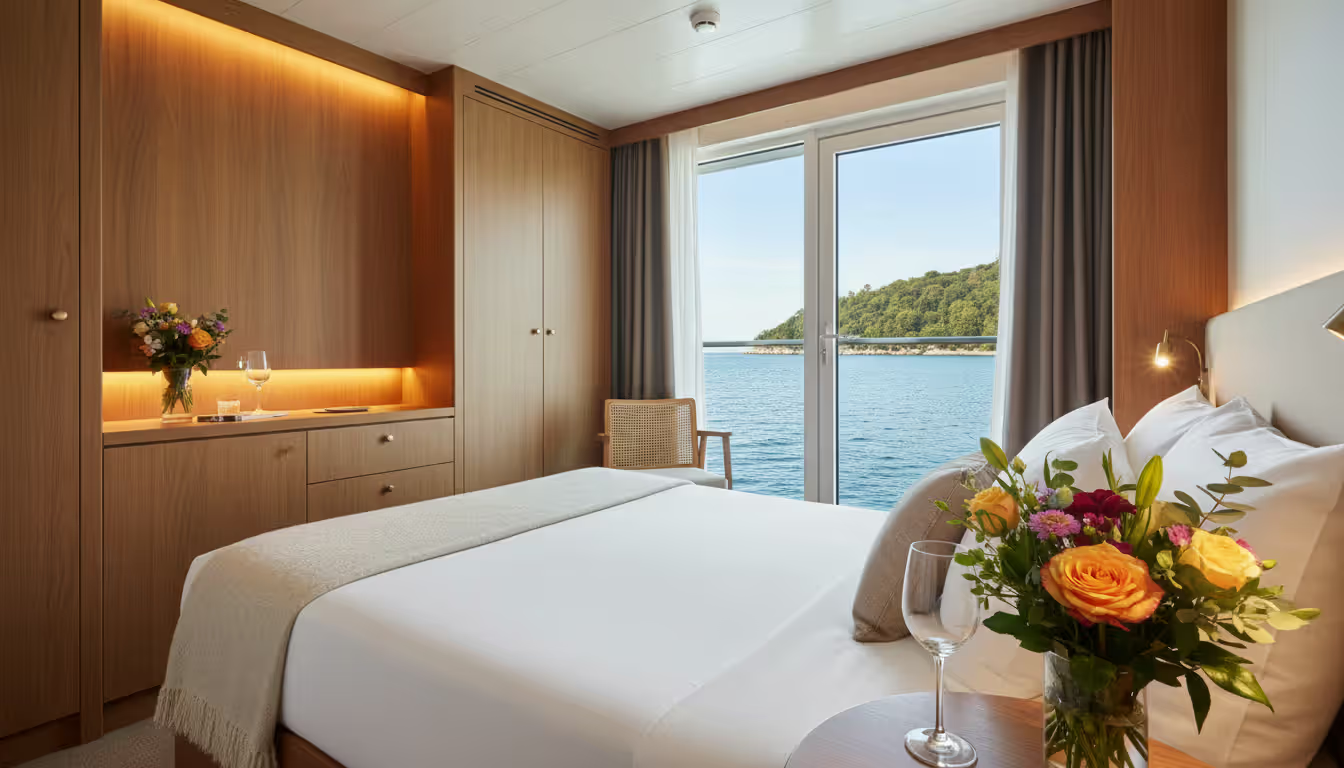
Cabin configurations on intimate cruise lines and small luxury cruise ships range from compact outside cabins with portholes to expansive suites with private verandas. Even on luxury vessels, standard cabins typically measure 150-250 square feet—comfortable but not sprawling. Expedition ships often feature even smaller cabins, since passengers spend minimal time in their rooms.
Most small ships lack inside cabins entirely. Ocean views come standard, whether through portholes, windows, or glass doors opening to private balconies. Storage space tends toward efficient rather than abundant, so pack strategically. Many experienced small ship cruisers use packing cubes and limit themselves to a single checked bag.
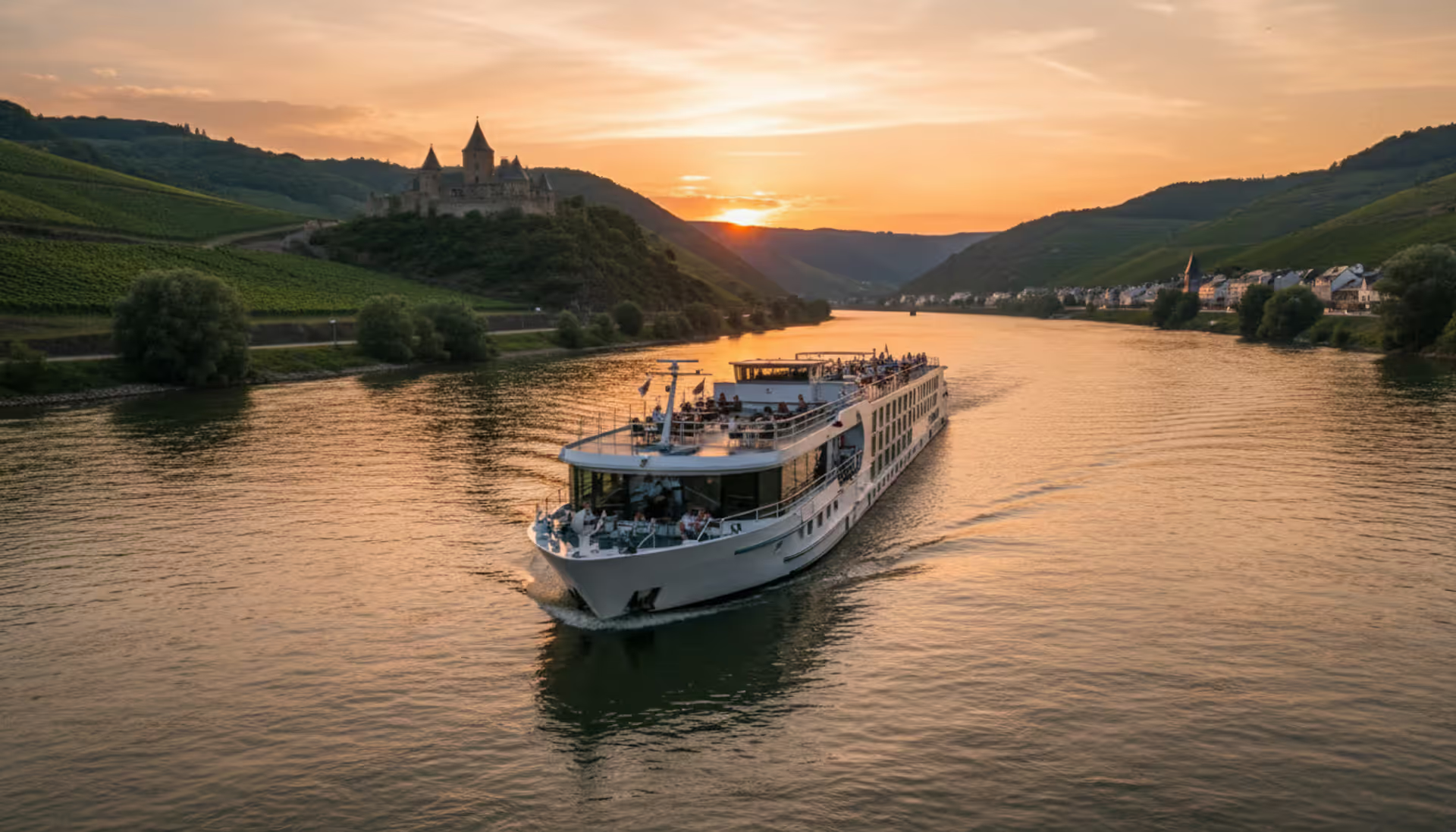
Dining experiences emphasize quality over quantity. Instead of five restaurants and a 24-hour buffet, expect one or two dining venues serving thoughtfully prepared meals. Menus often incorporate regional ingredients and reflect destinations on the itinerary. On a Danube river cruise, you might enjoy Hungarian goulash in Budapest, Austrian schnitzel in Vienna, and German spätzle in Regensburg.
Open seating allows you to dine with different passengers each evening, though many travelers form regular groups by mid-cruise. Tables accommodate four to eight people, encouraging conversation. Solo travelers particularly appreciate this arrangement, as it eliminates the awkwardness of dining alone.
Some luxury small ships rival land-based fine dining establishments. Expect multi-course tasting menus, sommelier-selected wine pairings, and presentation that belongs in food magazines. Expedition ships offer hearty, well-prepared meals that fuel active days without pretension.
Activities and enrichment focus on destinations rather than onboard diversions. Daily briefings outline the next day's landings or port visits. Guest lecturers provide context about history, wildlife, geology, or culture. Photography workshops help you capture better images. Cooking demonstrations might feature local chefs preparing regional specialties.
Physical activities depend on cruise type. Expedition vessels offer hiking, kayaking, snorkeling, and Zodiac cruising. Coastal cruises might include swimming platforms, water sports equipment, or bicycles for shore exploration. Luxury ships provide spas, fitness centers, and sometimes pools (though often just single plunge pools rather than the multiple pool complexes on large ships).
Staff-to-guest ratios on private small ship cruising experiences typically range from 1:2 to 1:3, meaning one crew member for every two to three passengers. This enables genuine personalization. The expedition leader remembers you mentioned wanting to photograph orcas and alerts you when a pod appears. The sommelier recalls your preference for Burgundy over Bordeaux. The naturalist answers your specific questions about glacial formation.
Social atmosphere tends toward friendly and inclusive. Shared experiences—whether watching humpback whales breach or exploring ancient ruins together—create natural conversation starters. The absence of crowd anonymity means you'll interact with fellow passengers regularly. Most people appreciate this camaraderie, though extreme introverts might find it occasionally overwhelming.
Dress codes skew casual to smart casual on most small ships. Even luxury vessels rarely require formal attire. Pack comfortable walking shoes for excursions, layers for variable weather, and a couple of nicer outfits for evening dining. Expedition cruises embrace functional clothing—you'll see fleece, waterproof jackets, and hiking boots rather than cocktail dresses and suits.
Author: Alexander Moreau;
Source: reykjaviksegwaytours.com
How to Choose the Right Small Ship Cruise
Selecting the right small ship cruise requires matching vessel characteristics to your priorities and preferences.
Destination priorities should drive your decision. If you're determined to see Antarctica, expedition small ships represent your only realistic option. For Mediterranean cultural immersion, boutique cruise lines offer better value than luxury brands. River cruises excel for European heartland exploration, while coastal vessels suit Alaska, Croatia, or the Pacific Northwest.
Research which regions each cruise line serves well. Some companies specialize in specific areas and offer superior itineraries, guides, and local connections in their focus regions. A company running Caribbean cruises as a side offering likely won't match the quality of their Alaska program if Alaska represents their core business.
Budget ranges vary dramatically across small ship categories. Establish your all-in budget including airfare, pre- and post-cruise hotels, travel insurance, and onboard spending. Then compare what different price points deliver:
- $300-$500/day: Comfortable boutique cruise lines with good service and interesting itineraries, but fewer inclusions
- $500-$800/day: Premium small ship cruises with better food, more inclusions, and enhanced service
- $800-$1,200/day: Luxury small ship cruises with most items included and five-star standards
- $1,200+/day: Ultra-luxury or specialized expedition cruises to remote destinations
Remember that all-inclusive pricing simplifies budgeting. A $900/day all-inclusive cruise that covers drinks, excursions, and gratuities might cost less overall than a $500/day cruise where those items add $300-$400 daily.
Cruise line reputation matters more on small ships than large ones. With fewer passengers, a single subpar crew member or poorly maintained vessel affects everyone noticeably. Read recent reviews (within the past 12 months) on multiple platforms. Look for patterns rather than isolated complaints. Pay attention to comments about specific ships, since quality can vary within a cruise line's fleet.
Professional travel advisors who specialize in small ship cruising provide valuable insights. They've often sailed on multiple vessels, maintain relationships with cruise lines, and can match your preferences to appropriate options. Their services typically cost you nothing, since cruise lines pay their commissions.
Itinerary length influences both cost and experience quality. Shorter cruises (4-7 days) work well for first-time small ship cruisers or those with limited vacation time. They also cost less in absolute terms, though per-day rates often run higher than longer voyages.
Longer cruises (10-21 days) allow deeper immersion and access to more remote destinations. Expedition cruises to Antarctica or the Arctic typically require 10-14 days minimum simply to reach the destinations. River cruises often span 7-10 days to cover meaningful distances.
Consider positioning cruises for exceptional value. These one-way itineraries move ships between seasonal deployment areas and often offer significant discounts despite covering interesting routes.
Activity level expectations should align with your physical capabilities and preferences. Expedition cruises often involve wet Zodiac landings, hiking on uneven terrain, and climbing in and out of small boats multiple times daily. If you have mobility limitations, verify that the cruise line can accommodate your needs before booking.
Some small ships cater specifically to active travelers, offering kayaking, stand-up paddleboarding, and challenging hikes. Others focus on cultural touring with moderate walking. Request detailed daily itineraries to understand physical requirements.
Booking timing affects both availability and pricing. Premium small ship cruises and exclusive small ship voyages to popular destinations (Antarctica, Galápagos, Norway's fjords in summer) often sell out 12-18 months in advance. Booking early also secures better cabin locations and sometimes includes early-booking discounts.
Conversely, some cruise lines offer last-minute deals 60-90 days before departure to fill remaining cabins. This strategy works best for flexible travelers who can book quickly and don't need specific cabin categories.
Shoulder season travel (just before or after peak season) often delivers better value without significantly compromising the experience. Alaska in May or September costs less than June-August but still offers excellent wildlife viewing and pleasant weather.
Author: Alexander Moreau;
Source: reykjaviksegwaytours.com
Cost Breakdown and What's Included
Understanding small ship cruise pricing requires looking beyond the advertised per-day rate to the all-in cost.
Pricing tiers break down roughly as follows:
Budget boutique lines ($250-$400/day): Basic cabins, good food, limited inclusions. Expect to pay extra for drinks, excursions, Wi-Fi, and gratuities. These cruises work well for travelers prioritizing destinations over amenities.
Mid-range boutique and premium lines ($400-$700/day): Better cabins, enhanced dining, some inclusions. Often include house wines with dinner, basic excursions, and Wi-Fi. Gratuities and premium drinks typically cost extra.
Luxury small ship cruises ($700-$1,200/day): Spacious accommodations, gourmet dining, extensive inclusions. Usually cover all drinks (including premium spirits), most excursions, gratuities, and sometimes even flights or pre-cruise hotels.
Ultra-luxury and specialized expeditions ($1,200-$2,500+/day): Top-tier everything with all-inclusive pricing. These often include business-class flights, pre- and post-cruise hotels, private transfers, unlimited premium beverages, all excursions, expedition gear, and gratuities.
Standard inclusions on most small ships cover accommodations, all meals, basic non-alcoholic beverages, and some entertainment or enrichment programming. Beyond that, inclusions vary significantly:
- Alcoholic beverages: Luxury lines include everything; mid-range might include house wines with dinner; budget lines charge for all alcohol
- Excursions: Luxury lines include most or all; mid-range includes basic options; budget lines charge separately
- Gratuities: Luxury lines include them; others typically add $15-$25 per person per day
- Wi-Fi: Increasingly included on luxury ships; often extra on others
- Specialty dining: Rarely an issue on small ships with limited venues
- Spa services: Almost always extra across all categories
Expedition-specific inclusions often cover waterproof boots, parkas, Zodiac excursions, kayaking, and snorkeling equipment. These items would cost hundreds of dollars if purchased separately, representing significant value.
Hidden costs to budget for include airfare (unless included), pre- and post-cruise hotels, travel insurance (essential for expensive cruises), visa fees for certain destinations, and personal expenses like spa treatments or premium excursions.
Port charges and government fees add $50-$200+ per day depending on the itinerary. These appear separately from the base cruise fare but aren't optional.
Value comparison across cruise types requires calculating total costs. A $600/day all-inclusive luxury cruise where everything's covered might cost $4,200 for a seven-day sailing. A $350/day boutique cruise could reach $4,000 after adding drinks ($50/day), excursions ($75/day), gratuities ($20/day), and Wi-Fi ($15/day). The luxury option delivers better value despite the higher advertised rate.
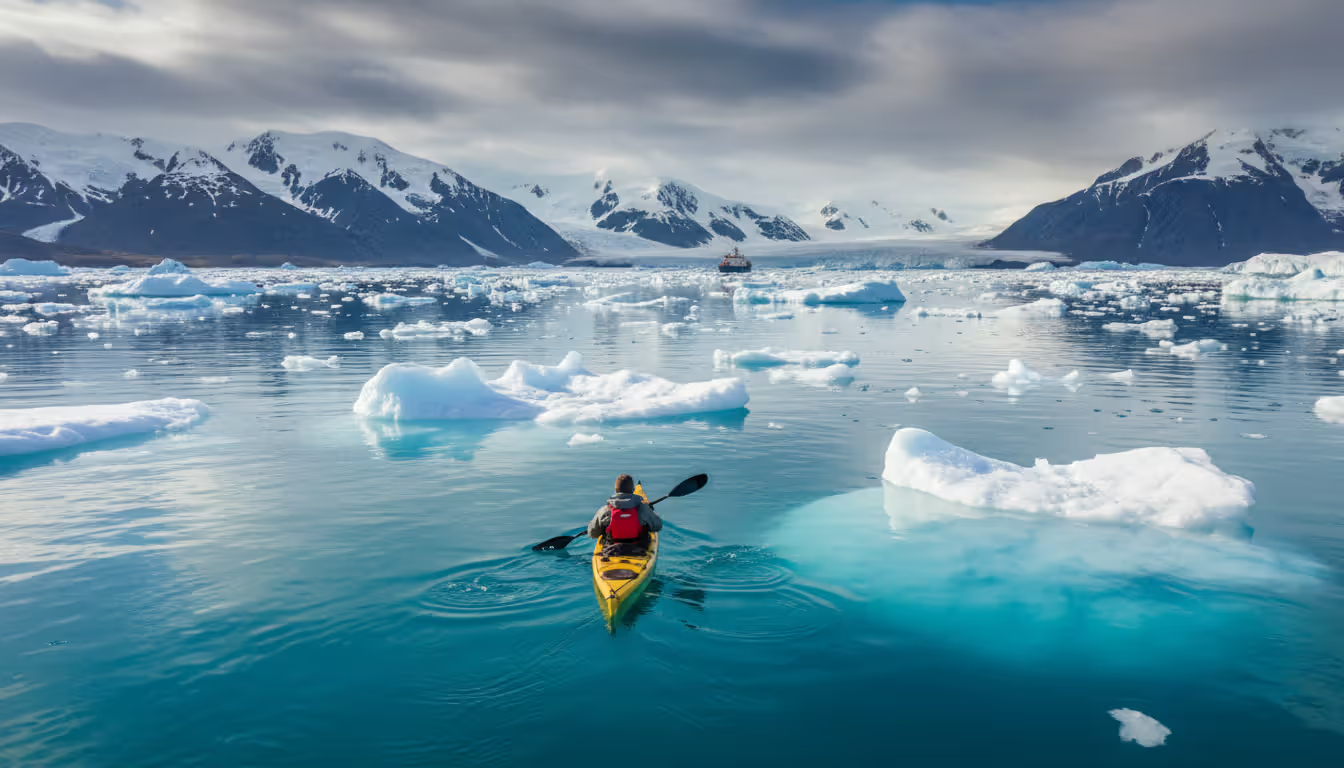
The true value of small ship cruising isn't measured in square footage or entertainment options—it's measured in access. When you're kayaking among icebergs in Tracy Arm while mega-ships anchor miles away, or dining in a family-owned restaurant in a Croatian village that tour buses can't reach, you understand why discerning travelers choose vessels that prioritize experience over scale
— Sarah Kirkpatrick
Frequently Asked Questions About Small Ship Cruises
Small ship cruises represent a fundamentally different approach to water-based travel. Rather than competing with thousands of passengers for poolside loungers and buffet stations, you're exploring destinations that mega-ships can't reach, sharing discoveries with a small group of fellow travelers, and receiving genuinely personalized service.
The trade-offs are real: higher per-day costs, fewer onboard diversions, and potentially more motion at sea. But for travelers who value authentic experiences over manufactured entertainment, who'd rather kayak among icebergs than attend a magic show, and who appreciate conversation over crowds, small ships deliver experiences that conventional cruising simply can't match.
Your ideal small ship cruise depends on aligning vessel type, destination, and budget with your travel priorities. Expedition ships serve adventure seekers and nature enthusiasts. Luxury vessels pamper guests who appreciate five-star service in intimate settings. Boutique lines offer cultural immersion without luxury price tags. All share the common advantage of accessing places and creating experiences that larger vessels simply cannot.
The small ship cruising sector continues growing as travelers discover its unique appeal. Whether you're watching polar bears in Svalbard, wine tasting in Bordeaux's countryside, or snorkeling in Raja Ampat's pristine waters, small ships transform cruising from passive transportation into active exploration.