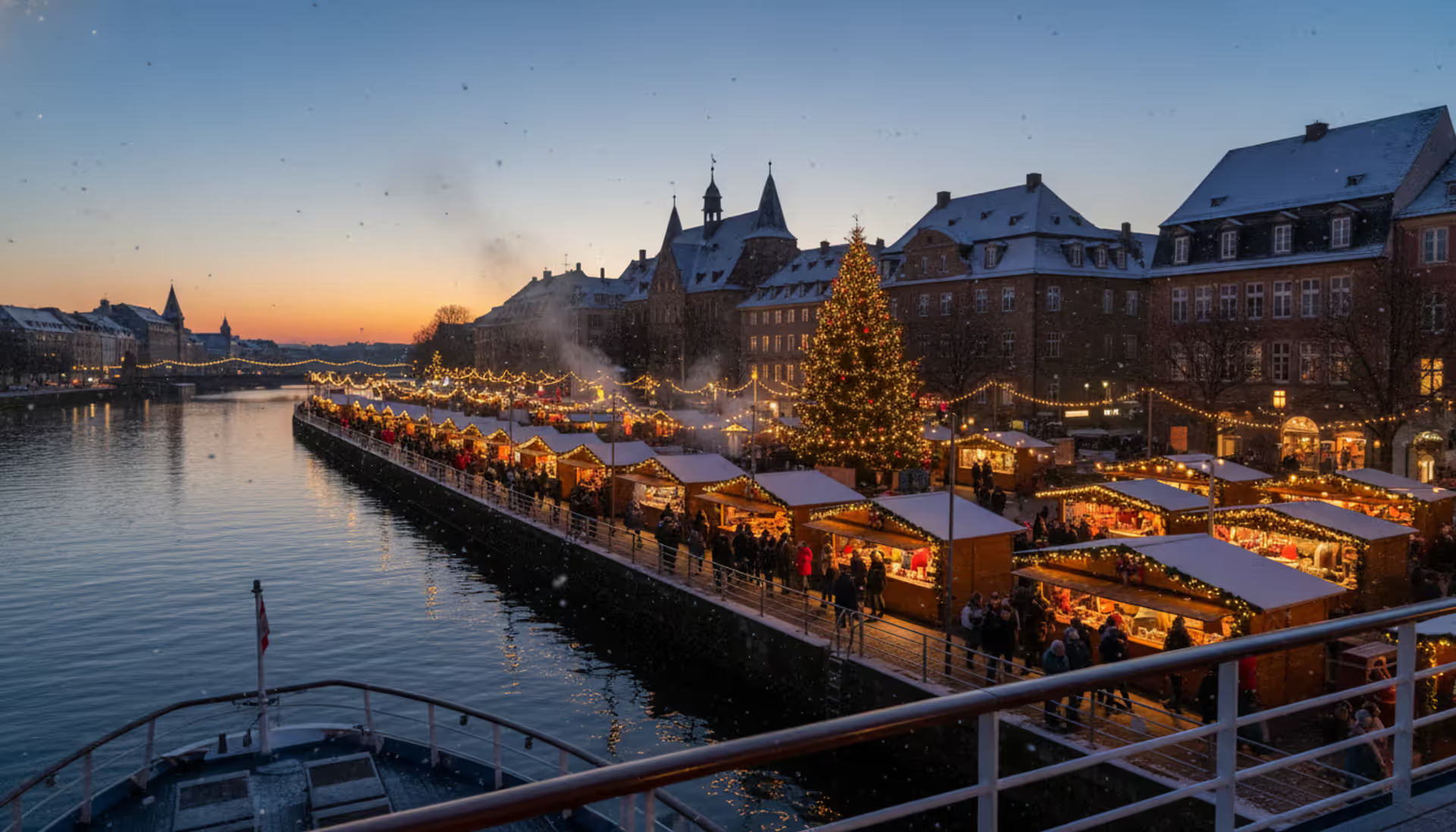
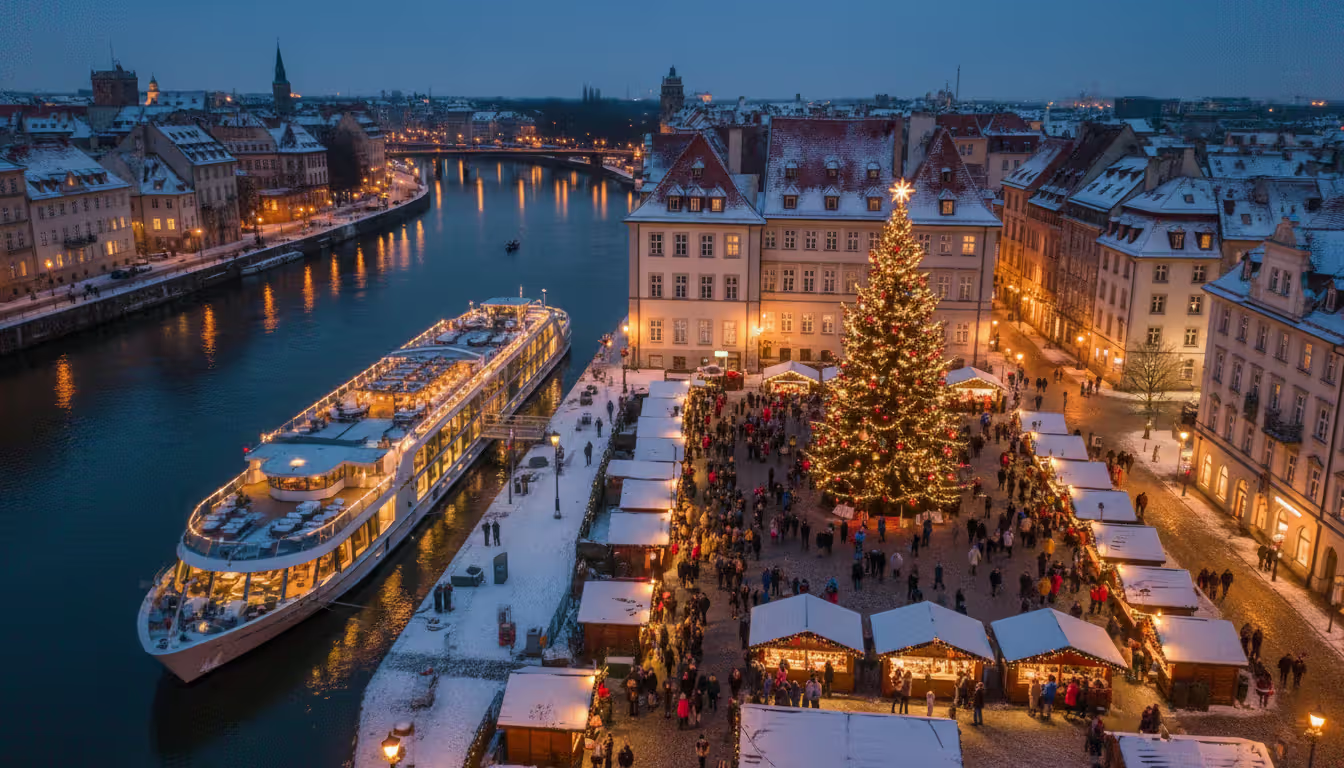
Evening view from a river cruise ship deck overlooking a European Christmas market on the riverbank with warm lights and light snowfall
Christmas River Cruises Guide for European Holidays

Content
Picture yourself walking off your river ship directly into Nuremberg's 500-year-old Christmas market, then waking up the next morning in Vienna. That's the beauty of Christmas river cruises through Europe—you unpack once while the scenery changes daily. These December voyages have become wildly popular, and they're nothing like the summer sailings most people imagine when they think "river cruise." Instead of sun decks and wine tastings, you're getting gingerbread workshops, carol concerts, and direct access to holiday markets that most tourists struggle to visit even on a two-week road trip.
What Makes Christmas River Cruises Different from Regular Cruises
Walk into the lobby during a December sailing and you'll know immediately something's different. Christmas trees stand in corners, garlands wrap the railings, and the smell of cinnamon and cloves fills the air. But these surface-level touches barely scratch the surface of what separates winter voyages from their warm-weather cousins.
The Christmas markets themselves change everything. Your ship ties up right in the heart of historic city centers—sometimes close enough that you can see the market stalls from your cabin window. You'll step off the gangway and within five minutes find yourself browsing handcarved nutcrackers or sampling lebkuchen. Try coordinating that same market-hopping efficiency by car. You'd spend half your vacation dealing with parking, navigating one-way streets in medieval city centers, and hauling luggage between hotels. The ship solves all of that. You explore markets until they close around 9 p.m., walk back aboard, and wake up somewhere completely new.
The daily schedule flips from summer patterns. Nobody's lounging poolside in December (for obvious reasons). Instead, cruise lines organize gingerbread decorating sessions, glühwein tastings led by German sommeliers, and workshops where you learn to make traditional Christmas ornaments. Local choirs come aboard to perform seasonal music. On one cruise I researched, the ship's pastry chef taught passengers how to make stollen using a 400-year-old recipe from Dresden.
Food becomes noticeably more festive too. Christmas Eve brings multi-course dinners featuring regional specialties—roast goose with red cabbage in Germany, carp prepared Czech-style, stollen for dessert. New Year's Eve means champagne toasts and gala menus. Even regular dinners incorporate winter ingredients: root vegetables, game meats, spiced desserts that reflect centuries of cold-weather cooking traditions.
You'll notice different passengers compared to summer. Families taking advantage of school breaks join the typical retiree-heavy crowd. Some lines now run kids' programs during December—though let's be honest, river cruising stays more adult-focused than those massive ocean ships with water slides.
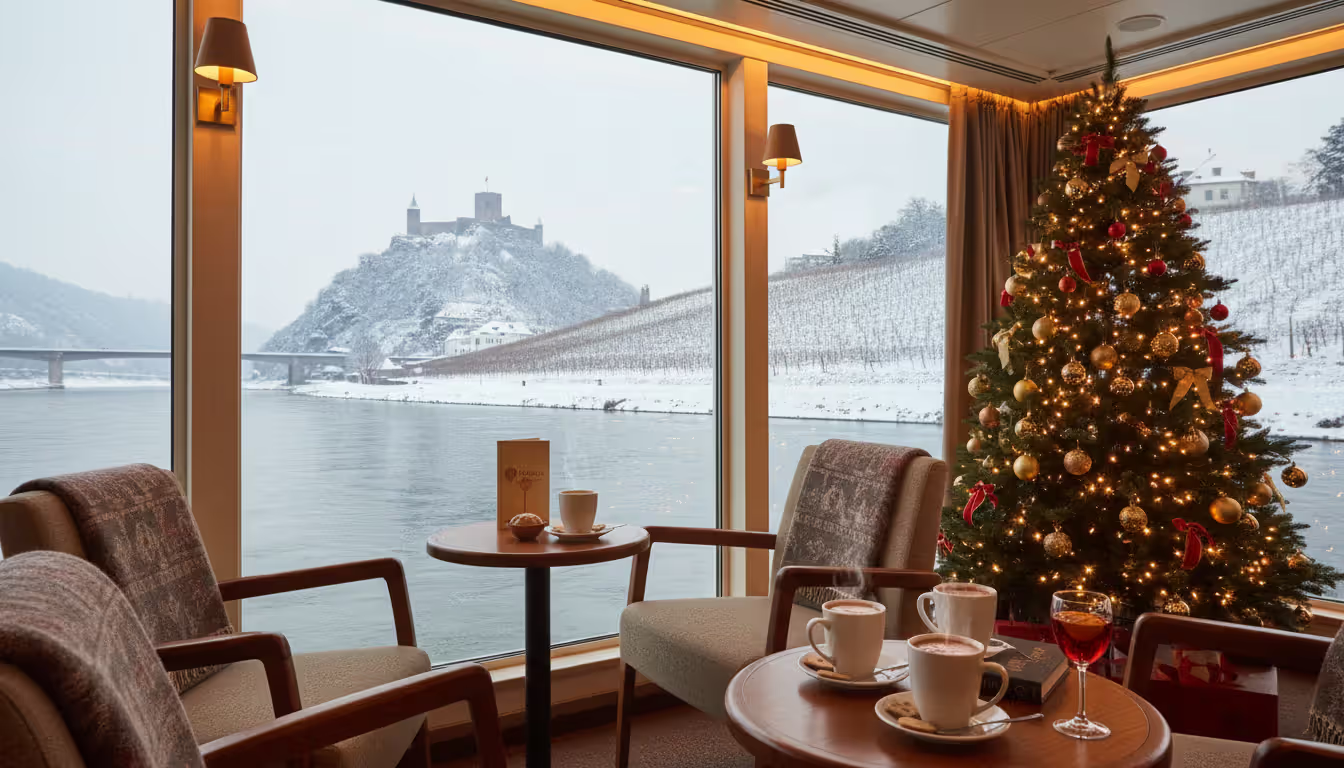
Weather shapes everything about the experience. Ships crank up the heating and stock cabins with extra blankets. The lounges with floor-to-ceiling windows become prime real estate where passengers warm up between excursions. That contrast—stepping from freezing market squares into cozy ship interiors—defines the whole vibe of winter river cruising.
Most Popular European Routes for Holiday River Cruises
Christmas river cruises cluster around two main waterways, each connecting the continent's best holiday markets. These routes dominate December schedules for good reason.
| Route | Duration | Countries Visited | Key Christmas Markets | Typical Price Range |
| Danube (Passau to Budapest) | 7-8 days | Germany, Austria, Slovakia, Hungary | Nuremberg, Regensburg, Vienna, Budapest | $2,400-$5,800 |
| Rhine (Basel to Amsterdam) | 7-8 days | Switzerland, France, Germany, Netherlands | Strasbourg, Cologne, Heidelberg, Basel | $2,600-$6,200 |
| Main-Danube (Nuremberg to Budapest) | 10-11 days | Germany, Austria, Hungary | Nuremberg, Bamberg, Vienna, Budapest | $3,800-$7,500 |
| Moselle & Rhine | 7 days | France, Germany, Luxembourg | Bernkastel, Trier, Cochem, Koblenz | $2,200-$5,400 |
Danube Christmas Market Cruises
The Passau-to-Budapest stretch wins the popularity contest hands down. This route hits some of Europe's oldest Christmas markets while crossing four countries in roughly a week.
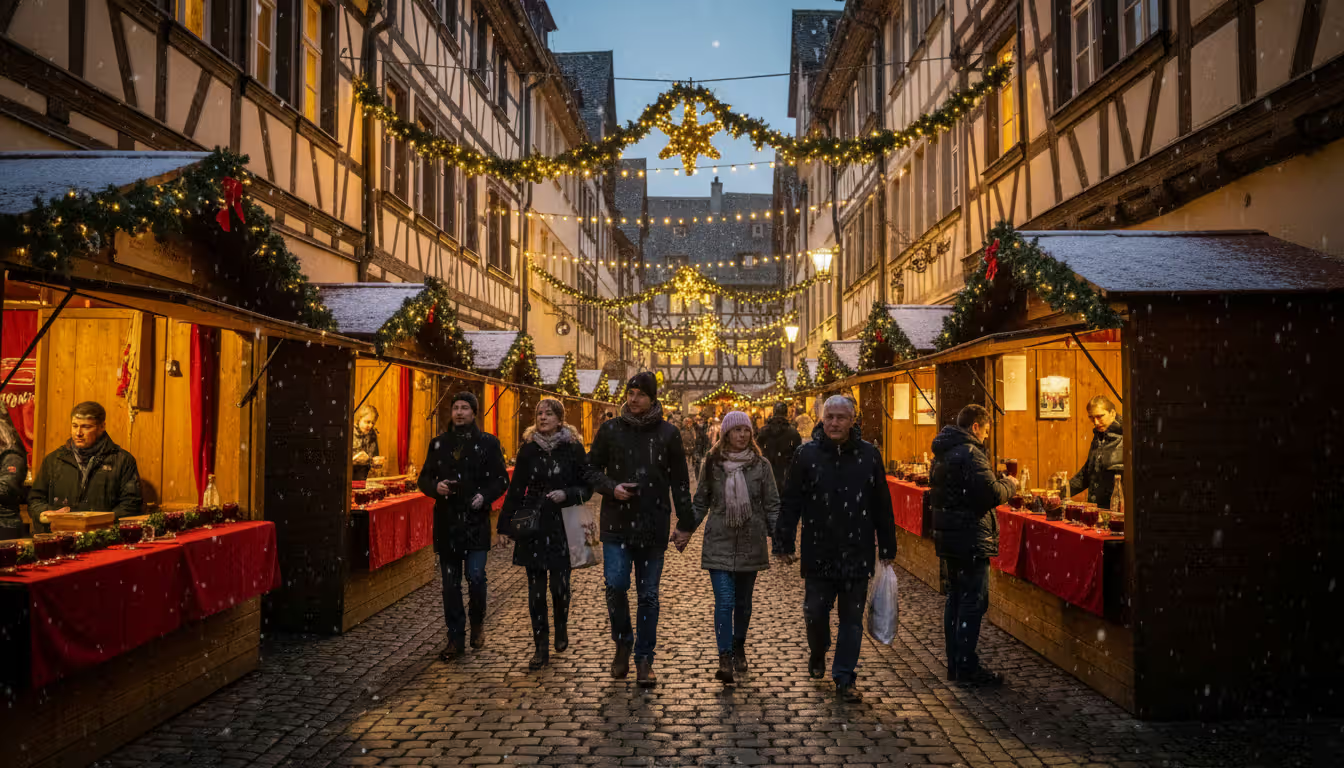
Nuremberg's Christkindlesmarkt started in the 1600s and still sets the standard everyone else chases. Around 180 wooden stalls fill the old town, selling handmade toys to lebkuchen (that intensely spiced gingerbread Nuremberg's famous for). The opening ceremony—where a golden-winged angel called the Christkind appears—happens late November, but the market runs through Christmas Eve. Most cruises allocate at least half a day here. Smart travelers book itineraries that overnight in Nuremberg so they can experience the market after dark when those thousands of lights create an almost dreamlike atmosphere.
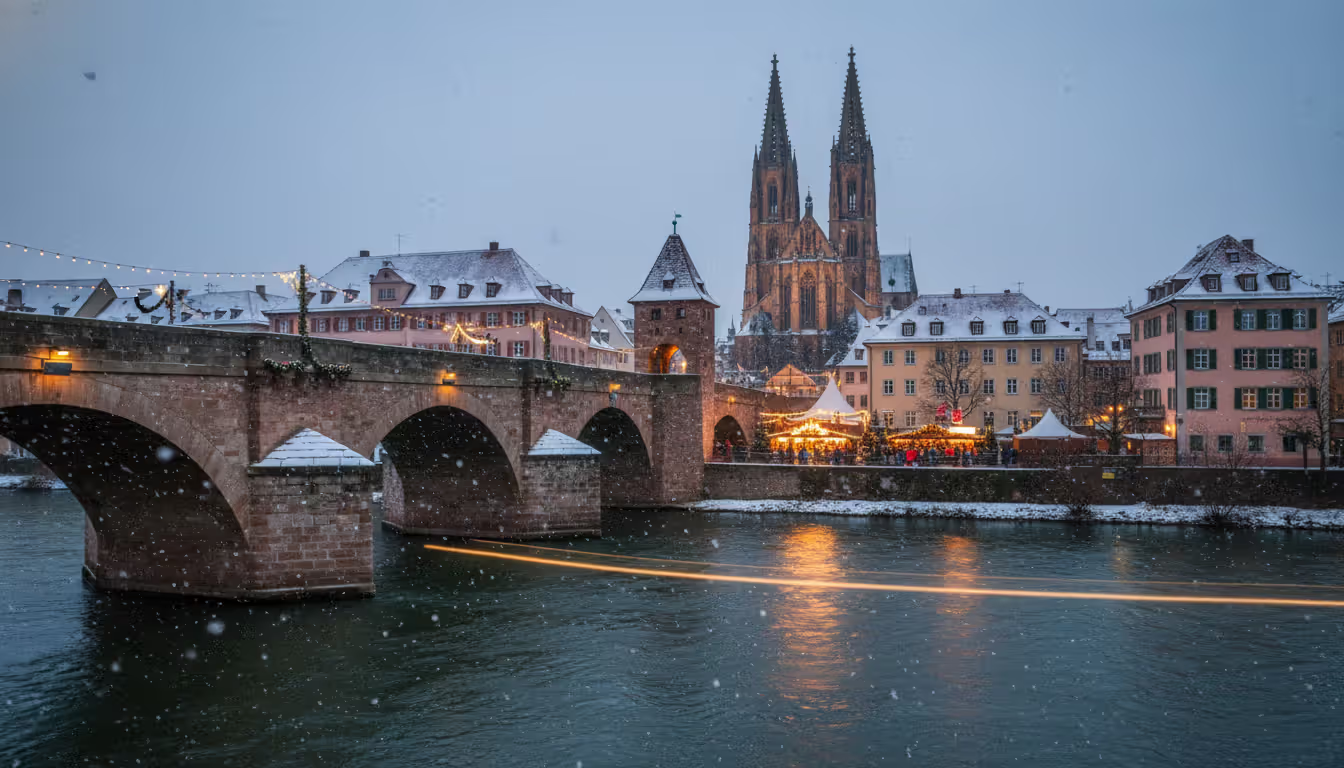
Regensburg delivers a quieter, more intimate experience. Its market clusters around the Gothic cathedral, and that medieval stone bridge makes for incredible photos. Fewer tourists means you can actually talk with the craftspeople about their work instead of getting elbowed aside by crowds.
Author: Sophie Laurent;
Source: reykjaviksegwaytours.com
Vienna takes Christmas markets seriously—like, really seriously. The city runs multiple markets, but Rathausplatz (City Hall Square) stands out with its ice skating rink and massive Christmas tree. Ships usually dock close enough to walk, or they'll run shuttles. Plan to spend extra time here. Vienna's coffeehouse culture deserves at least one afternoon devoted to Sachertorte and hot chocolate in a café that's been operating since 1720.
Budapest anchors the eastern end of most Danube Christmas cruises. The Hungarian capital brings distinctly Eastern European traditions that feel different from the Germanic markets upriver. Vörösmarty Square hosts the main market where you'll find chimney cakes (kürtőskalács—think sweet, hollow pastries cooked over open flames) and Hungarian wines alongside traditional crafts. Don't miss the thermal baths here. Soaking in outdoor pools while snow falls around you? That's a winter experience you won't forget.
Rhine Valley Holiday Sailings
Rhine Christmas cruises swap the Danube's eastern European character for western wine country and that French-German cultural mashup that defines Alsace. These typically run between Basel and Amsterdam, heading either upstream or down depending on the operator.
Strasbourg's Christkindelsmärik claims the title of France's oldest Christmas market (established 1570). The city straddles French and German traditions, which creates unique market offerings. You'll find foie gras next to bratwurst, vin chaud beside glühwein. The Cathedral Square provides serious drama as a backdrop, and since Strasbourg brands itself "Capital of Christmas," decorations and festivities spread throughout the historic center.
Cologne's market spreads across several locations, though the one beside the cathedral dominates. Those twin Gothic spires rising above the wooden market stalls—it's the postcard shot everyone wants. Cologne also gives you excellent shopping beyond the markets. Schildergasse, one of Europe's busiest shopping streets, runs parallel to the river if you need a break from handcrafted ornaments and want some regular retail therapy.
Heidelberg's market occupies the romantic old town directly beneath the famous castle ruins. It's smaller than Cologne or Strasbourg, which actually works in its favor—less overwhelming, more charming. The funicular up to the castle runs year-round, and the views of the market-lit town from above are worth the ride.
Rüdesheim transforms its narrow Drosselgasse lane into this festive corridor of mulled wine stands and live music. Think of this stop as atmosphere-focused rather than serious shopping. It works great as either a warm-up or wind-down between the larger market cities.
Author: Sophie Laurent;
Source: reykjaviksegwaytours.com
What to Expect Onboard a Winter River Cruise
Winter river cruising operates on different physics than summer sailings, starting with basic comfort. Modern ships maintain cabin temps around 70-72°F, with individual controls letting you adjust as needed. Public spaces stay similarly heated, though spots near windows can feel slightly cooler. Ships stock extra blankets in every cabin, and crew will bring space heaters to cold-sensitive passengers who request them.
The sun deck—prime real estate in July—sees almost zero use in December. Most ships enclose portions with glass or vinyl panels, creating heated observation areas. These become popular spots during scenic segments when you want to watch snow-dusted vineyards or medieval castles glide past without freezing. Some luxury lines install outdoor heaters and provide blankets for passengers who insist on the full fresh-air experience.
Daily schedules run earlier than summer. Christmas markets generally open around 10 a.m. and shut down by 9 p.m. (some close earlier Sundays). Excursions leave mid-morning, returning late afternoon so you can explore markets independently after dark. This timing makes sense—markets look most magical once the lights come on and those thousands of tiny bulbs illuminate the squares.
Dress codes relax considerably during winter. Most ships stick with "smart casual" for dinner—slacks and collared shirts for men, dresses or nice separates for women. You won't find the formal nights that ocean cruises love. Christmas Eve and New Year's Eve dinners might suggest stepping up your outfit slightly, but suits and cocktail dresses remain optional, not mandatory.
Excursions focus heavily on walking tours through Christmas markets and historic centers. Ships provide audio headsets so you can hear guides while wandering slightly apart from the group. This flexibility helps when you spot an interesting stall or want to photograph something without holding everyone up. Some itineraries include indoor activities—concerts in 800-year-old churches, museum visits, workshops with local craftspeople teaching traditional techniques.
Christmas Eve and Christmas Day programming varies by cruise line and route. Some ships stay docked, letting crew celebrate with families (many lines hire European staff who live close to the routes). Others sail on Christmas Day, offering special onboard programs since most markets close December 25th. New Year's Eve typically brings gala dinners, live music, and midnight champagne—often with fireworks views if your ship's docked in a major city.
The typical day runs like this: breakfast 7-9 a.m., morning excursion departing 9:30 a.m., back to ship for lunch, afternoon free time or optional excursion, dinner at 7 p.m., evening entertainment or free time for market visits. Ships usually sail overnight, repositioning while you sleep so you wake up somewhere entirely new.
Author: Sophie Laurent;
Source: reykjaviksegwaytours.com
How to Choose Between Luxury and Standard Christmas Cruises
European river cruises span a massive quality and price range. Understanding what drives those price differences helps you match budget with expectations.
Cabin size creates the most obvious distinction. Standard river cruise cabins measure 150-190 square feet—functional but tight. Luxury lines offer 200-300+ square feet, often with separate sitting areas, walk-in closets, and upgraded bathrooms featuring full tubs. During winter when you're spending more time indoors (nobody's lounging on sun decks in December), that extra space matters more than in summer.
Excursion inclusion separates budget operators from all-inclusive ones. Standard cruises typically include one excursion per port—usually a walking tour covering the Christmas market and old town. Additional options (culinary tours, castle visits, bike rentals) run $30-80 each. Luxury lines include all excursions, often providing multiple choices per port. Some even supply in-room iPads for booking activities and accessing destination info.
Dining quality and variety differ significantly. All river ships serve three daily meals, but execution varies widely. Standard lines offer buffet breakfasts and lunches with sit-down dinners featuring limited choice (maybe 2-3 entrées). Luxury operators provide expanded menus, complimentary room service, sometimes multiple dining venues. Most lines include wine and beer with meals, but premium spirits and cocktails cost extra on standard cruises while luxury lines often comp top-shelf drinks.
Passenger-to-crew ratios affect service noticeably. Luxury ships might run 2:1 or even 1.5:1 ratios, while standard operators hover around 3:1 or 4:1. You'll feel this in response times, cabin cleaning frequency, personalized service. Luxury lines often remember your name and drink order by day two. Standard ships provide competent service that's just less personalized.
Onboard amenities and entertainment scale with price. Most river ships have fitness centers, but luxury vessels add spa services, salon treatments, sometimes small pools or whirlpools. Entertainment on standard cruises might mean a local musician one evening, the cruise director hosting trivia another night. Luxury lines book professional performers, offer enrichment lectures from historians or sommeliers, provide better audio-visual equipment for presentations.
Value calculations get complicated because "luxury" and "expensive" don't always line up. A $5,000 luxury cruise including all excursions, drinks, and gratuities might actually cost less than a $3,200 standard cruise after you add $600 in excursions, $400 in drinks, $300 in tips. Calculate the all-in price before deciding based solely on the advertised fare.
Popular standard lines for Christmas include Viking (market leader with the biggest fleet), Emerald Waterways, CroisiEurope. These deliver solid experiences at moderate prices—perfect for first-timers or travelers prioritizing budget.
Luxury options include Uniworld (known for ornate décor and all-inclusive pricing), AmaWaterways (upscale without being ostentatious), Scenic (tech-forward with butler service), Tauck (premium pricing with exceptional guides). Crystal River Cruises occupies the ultra-luxury tier with the highest prices but also the most inclusive offerings.
When to Book and What Christmas River Cruises Cost
Christmas river cruises sell out faster than any other season. Limited sailing dates (markets only run late November through December 23rd) combined with high demand creates serious booking pressure.
Book January through March for the following December if you want the best cabin locations and lowest prices. By September, popular itineraries on well-regarded ships often show "limited availability" in their booking systems. Procrastinators sometimes snag last-minute deals in November, but these typically involve less desirable cabins or departure dates that miss key market openings.
Pricing swings wildly by cruise line, route, and cabin type. A seven-night Danube Christmas cruise in a standard cabin might run $2,400 on a budget line or $6,500 on an ultra-luxury ship. The same ship's pricing can span $2,000 between the smallest inside cabin and the fanciest suite.
Routes also drive pricing. Rhine cruises typically cost 10-15% more than Danube sailings thanks to higher port fees and stronger currencies in Switzerland and Western Europe. Longer itineraries combining multiple rivers (Main-Rhine-Danube combos) command premium prices, often $5,000-8,000 per person for 10-12 nights.
What's actually included varies enough that comparing sticker prices proves misleading. Budget carefully for:
- Excursions: $200-600 per person weekly if not included
- Drinks: $15-40 daily if wine/beer aren't included with meals; $30-80 daily for cocktails
- Gratuities: $100-200 per person weekly (some lines include these)
- Transfers: $100-300 for airport-ship-airport transportation
- Travel insurance: 5-10% of trip cost
- Shopping and personal expenses: totally depends on you
Early-bird discounts usually offer 10-20% off for bookings made 12+ months ahead. Some lines throw in free airfare, cabin upgrades, or onboard credits for early commitments. These deals often expire by March or April, reverting to regular pricing for later bookers.
Deposit requirements usually run $500-1,000 per person, with final payment due 90-120 days before departure. Cancellation policies get progressively stricter—expect to lose 50% of the fare canceling 60-89 days out, and 100% within 30 days. That makes trip insurance worth considering, especially given unpredictable winter weather affecting flights.
One money-saving trick: book the shoulder dates. Departures in late November (before December 1st) or endings after December 20th often cost 15-25% less than peak December 5-18 departures while still hitting most major markets. You'll sacrifice some Christmas Eve atmosphere but save enough to upgrade your cabin or splurge on a luxury line.
Author: Sophie Laurent;
Source: reykjaviksegwaytours.com
Common Mistakes to Avoid When Booking a Festive River Cruise
Waiting too long to book tops this list. By October when you're finally researching Christmas cruises, you're picking from leftovers—middle cabins on less popular lines or inconvenient dates. Book by March for December travel, or January if you're targeting a specific ship or cabin.
Choosing wrong departure dates can mean missing marquee markets entirely. Nuremberg's Christkindlesmarkt opens the Friday before the first Sunday of Advent (late November) and runs through Christmas Eve. Book a cruise arriving after December 24th and you've missed it completely. Some markets close December 23rd while others stay open through New Year's. Match your itinerary to the specific markets you want.
Overlooking passport and visa requirements causes preventable headaches. U.S. passport holders don't need visas for short Schengen tourist visits, but your passport must stay valid at least six months beyond your travel dates. Some countries want three months of remaining validity. Check requirements for every country on your itinerary—a Danube cruise might touch Germany, Austria, Slovakia, and Hungary, each with slightly different rules.
Packing mistakes make winter cruises less comfortable:
Bringing only fashion boots instead of waterproof, insulated walking boots with solid traction for cobblestones and potential snow. Forgetting to layer—you'll move between heated ships, cold outdoor markets, and warm churches multiple times daily. Skipping gloves, scarves, and hats because "I'm on a cruise"—you'll actually spend hours outdoors at markets. Overpacking formal wear—river cruises stay casual even during holidays. Not bringing a day bag for market purchases and water bottles during excursions.
Skipping travel insurance creates financial risk. Standard cruise line policies offer minimal refunds for last-minute cancellations. Comprehensive travel insurance (not just the cruise line's basic coverage) protects against trip interruption, medical emergencies, and cancellation for covered reasons. Winter travel carries higher weather risks—a blizzard delaying your flight could mean missing the ship's departure entirely.
Treating all Christmas markets as identical leads to disappointment. Each city's market reflects distinct local traditions, crafts, foods. Nuremberg specializes in toys and gingerbread. Vienna emphasizes music and coffeehouse culture. Budapest showcases Hungarian folk art and thermal baths. Research what makes each market unique instead of treating them as interchangeable stops.
Ignoring physical demands surprises some cruisers. You'll walk 3-5 miles daily on cobblestone streets, often in cold weather. Old European city centers weren't built for wheelchairs, and Christmas market crowds make navigation challenging for anyone with mobility issues. If you use a cane or have joint problems, factor this in before booking—river cruises require more walking than ocean cruises where you can skip ports entirely.
Only reading cruise line marketing materials without checking independent reviews causes mismatched expectations. Read recent reviews (within the past year) on independent sites, not just testimonials on the company website. Pay attention to patterns in comments about food quality, cabin noise, excursion guides, how the line handles problems. Repeated complaints about rushed excursions or mediocre meals should factor into your decision.
European Christmas river cruises offer genuine cultural immersion that's hard to replicate any other way. You're not visiting recreated holiday villages or commercialized tourist attractions. These are centuries-old traditions that local families celebrate annually. When you're sipping glühwein in Nuremberg's Hauptmarkt, you're standing where generations have gathered since the 1600s. The river cruise format lets you experience multiple regional variations of Christmas traditions in a single week—something nearly impossible to coordinate independently during the busy holiday season
— Sarah Mitchell
Frequently Asked Questions
Christmas river cruises deliver something increasingly rare in modern travel—authentic seasonal experiences rooted in centuries of tradition. The combination of seamless logistics, cultural depth, and festive atmosphere explains why these sailings sell out months ahead despite premium pricing.
Success comes from matching your expectations and budget with the right cruise line, route, and timing. Luxury seekers willing to pay $6,000+ per person will find all-inclusive experiences with exceptional service and premium amenities. Budget-conscious travelers can access the same markets and cities for $2,500-3,500 by choosing standard lines and paying separately for extras. Either approach works if you understand what's included versus what you'll pay for additionally.
The Danube route between Passau and Budapest remains the Christmas cruise gold standard, combining iconic markets with four-country diversity. Rhine sailings bring western European alternatives with French-German cultural blends and wine country appeal. Longer Main-Danube combinations suit travelers with time and budget for extended exploration.
Book early—by March for December travel—to lock in preferred cabins and better prices. Research cruise lines beyond their marketing materials, matching their style with your preferences. Pack for cold, wet weather and lots of walking. Double-check passport validity and consider comprehensive travel insurance.
Most importantly, approach these cruises as cultural experiences rather than just transportation between markets. The real value emerges from conversations with artisans about their crafts, tasting regional specialties you can't find at home, witnessing how different European cultures interpret shared Christmas traditions. The river simply provides the thread connecting these experiences into a coherent, manageable journey through Europe's most festive season.