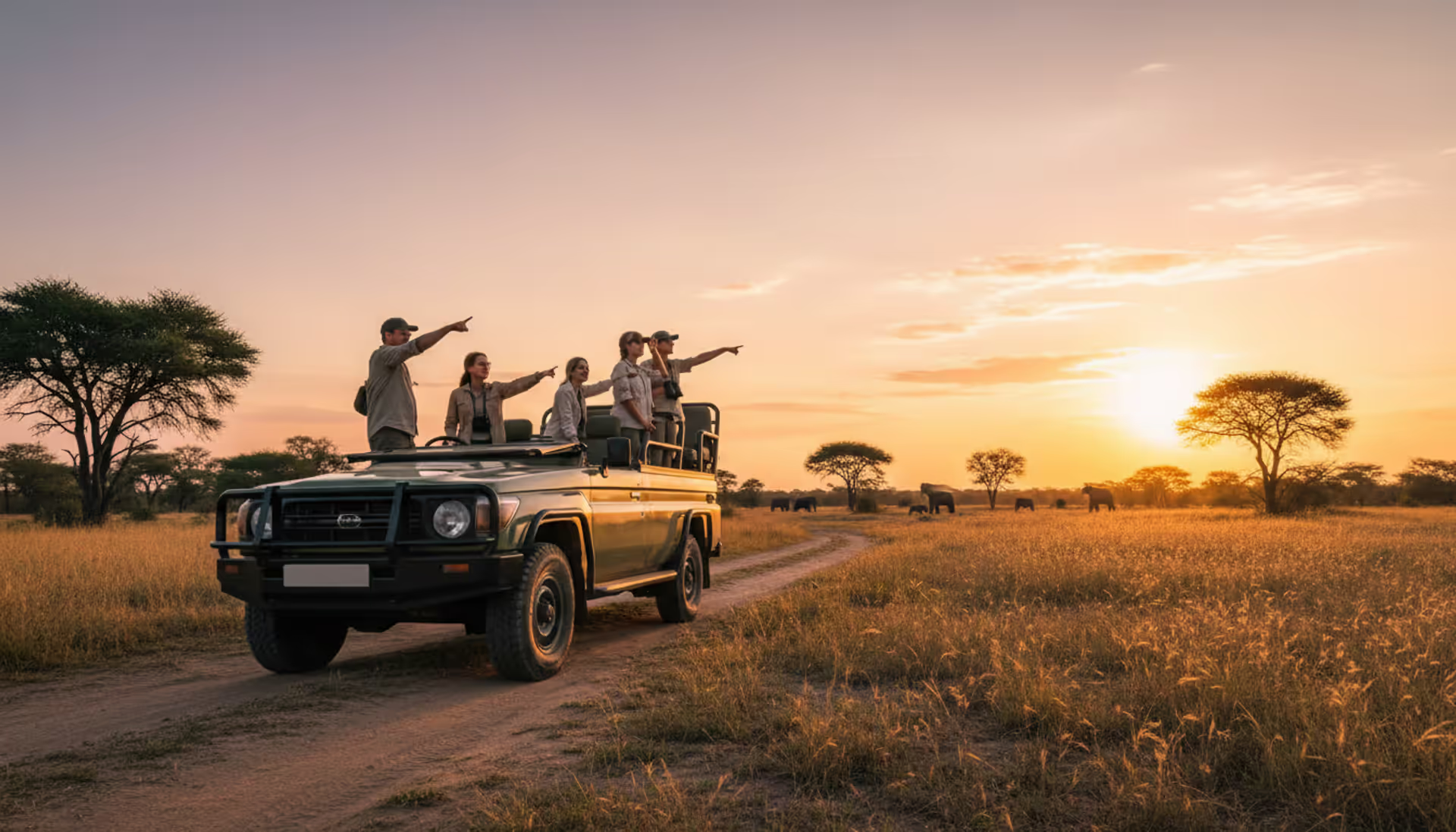
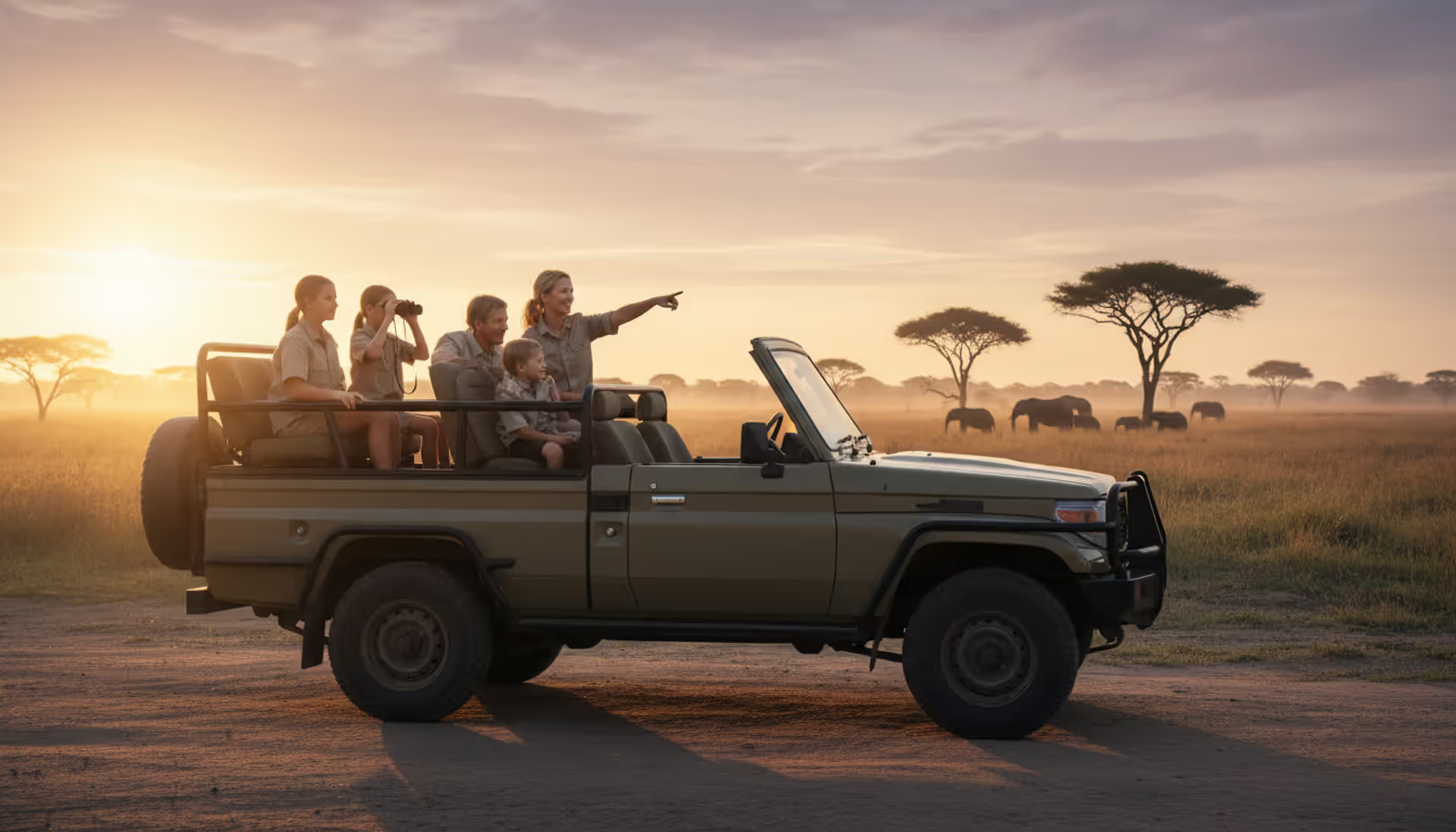
A family of four in an open safari Land Cruiser at sunrise on the African savanna with elephants and acacia trees in the background
How to Plan a Luxury Family Safari?

Content
Your kids aren't going to remember another week at Disney. They will remember the morning a leopard walked within ten feet of your Land Cruiser, or the night you counted shooting stars from your tent's deck while hippos grunted in the darkness below.
That's the fundamental promise of a luxury family safari—and why families drop $50,000+ on a single trip to Africa when they could vacation domestically for a fifth of that cost. But here's the catch: planning one wrong means dragging overtired children through a week of 5 a.m. wake-ups, malaria medication side effects, and game drives with strangers who shush your six-year-old every time she gets excited about a warthog.
Getting it right means understanding which African countries work for your children's ages, what "luxury" actually delivers beyond expensive linens, and how the investment compares to dropping similar money on Aspen ski weeks or Mediterranean cruises. We'll cover all of that, plus the stuff safari companies don't advertise upfront—like how much you'll actually spend once you add charter flights, or why that $800-per-person nightly rate doesn't include half of what you'll need.
What Makes a Family Safari Luxury vs. Standard
Thread count doesn't make a safari luxurious. Privacy does.
Here's what actually separates luxury from standard: your family gets its own guide and vehicle. Period. That single factor shapes everything else. Your guide learns that your eleven-year-old is obsessed with birds, so suddenly every drive includes detours to spot lilac-breasted rollers and superb starlings. Your four-year-old needs to pee? The vehicle stops. No apologizing to five strangers who wanted to track that cheetah for another twenty minutes.
Standard safaris cram multiple families into shared vehicles with departure times posted on a board in the lodge lobby. You leave at 6 a.m. whether your toddler slept or not. If three people want to photograph elephants and four want to find lions, the guide splits the difference and everyone gets a mediocre experience.
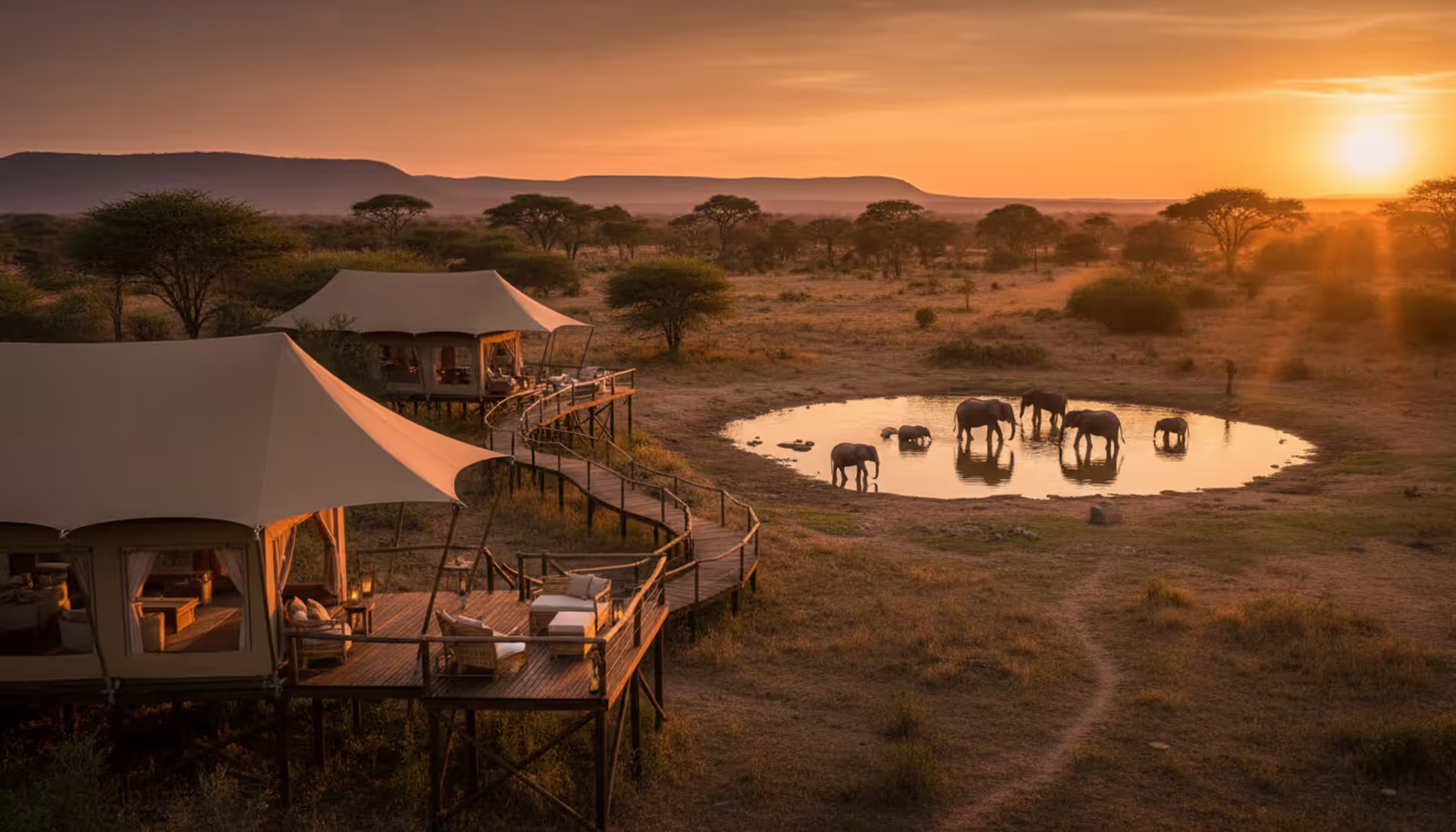
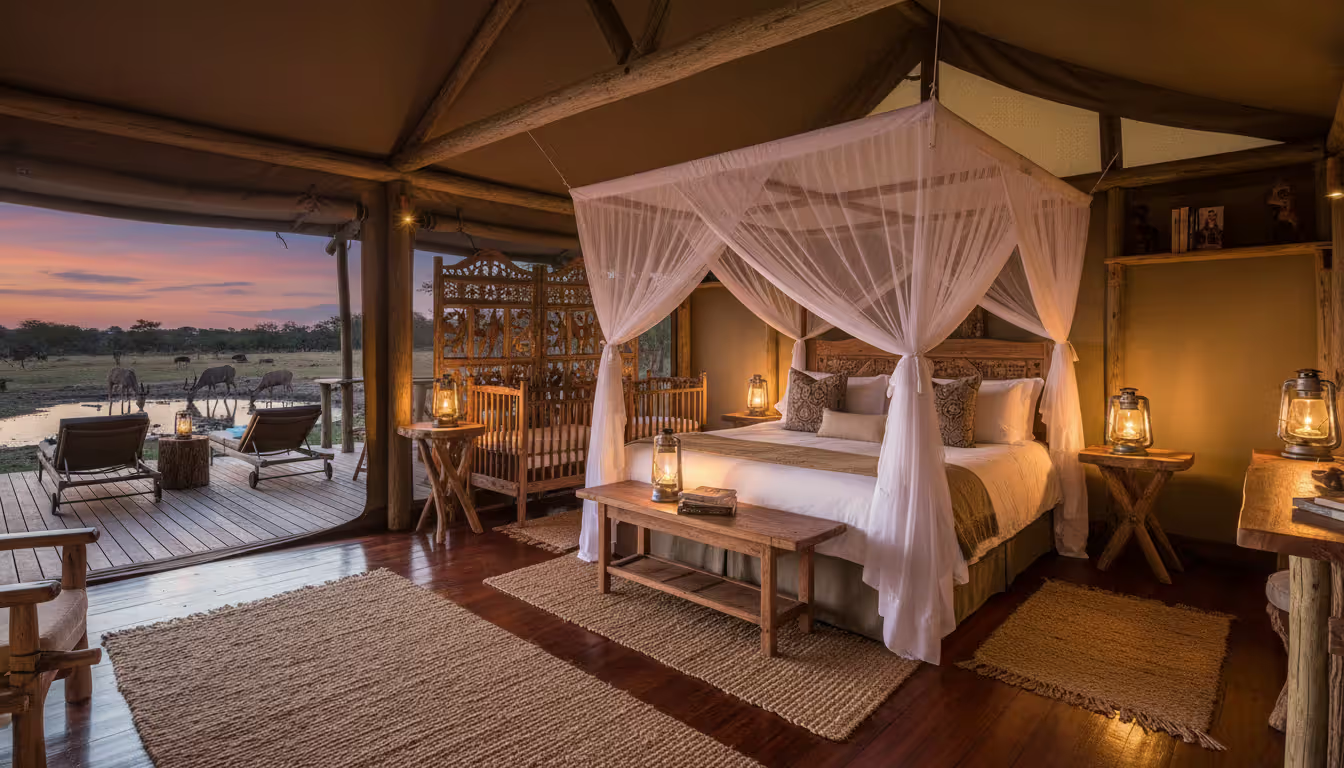
Camps designed for families versus camps that tolerate them—that's the second dividing line. Luxury properties build two-bedroom tented suites or family villas where parents can put kids down at 7:30, then sit on a private deck with a gin and tonic watching kudu come to drink. We're talking about structures with separate children's sleeping quarters, connecting doors, and outdoor showers screened for privacy but open to the sky.
Standard camps offer separate rooms in different buildings, which sounds fine until you're walking your seven-year-old to bed after dark and remember there are no fences keeping elephants out. Many families spend the week with everyone crammed into one room because nobody wants kids sleeping separately when buffalo graze between cottages.
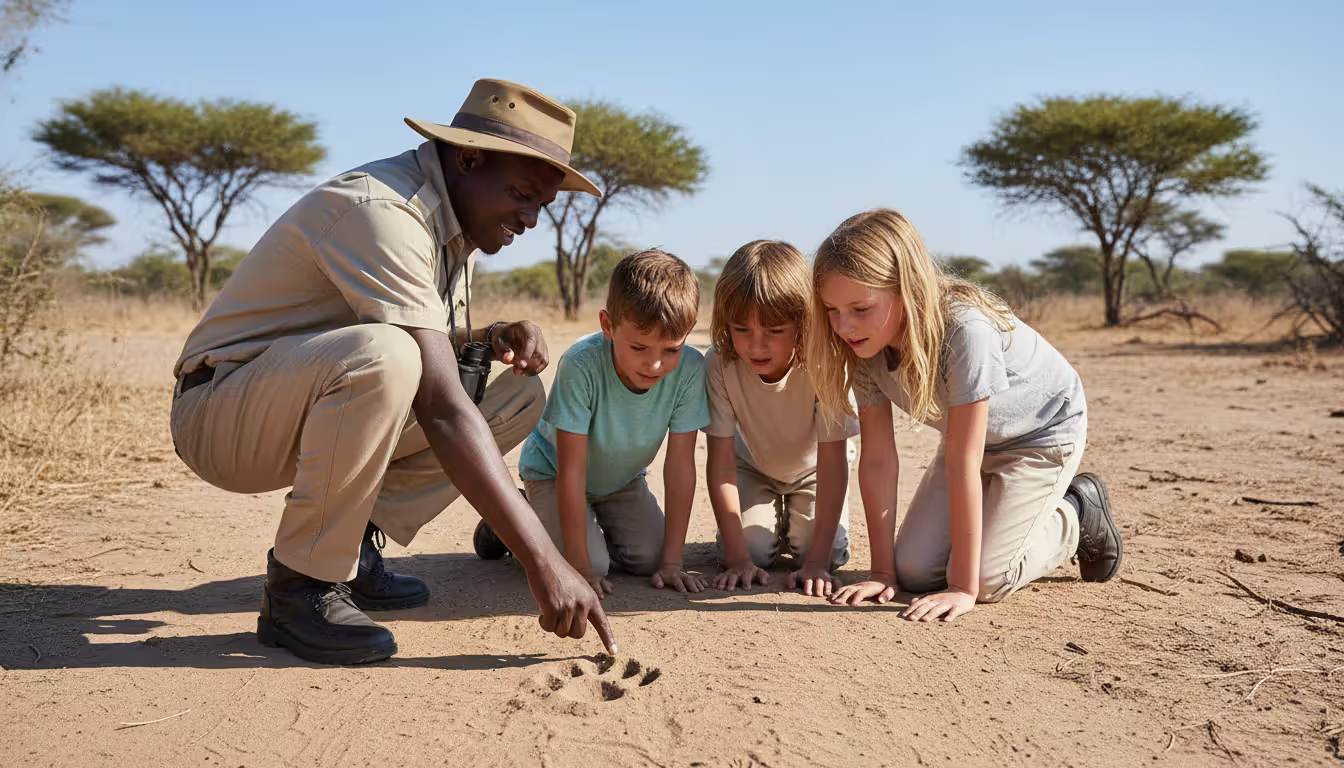
The best luxury family resorts hire dedicated children's guides—not general guides who tolerate kids, but specialists trained in teaching eight-year-olds how to identify spoor or explaining predator-prey relationships to teenagers. At one Tanzania camp, the children's guide taught my nephew to track dung beetles while his parents went on an adults-only walking safari. The kid spent an hour learning how beetles navigate by starlight and now he's studying entomology in college.
Budget operators occasionally have "kids' programs" that amount to coloring pages in the dining tent.
Author: Sophie Laurent;
Source: reykjaviksegwaytours.com
Flexible dining matters more than you'd think. Luxury lodges prepare whatever your children will actually eat, serve meals when your family is ready, and don't bat an eye when your picky eater requests plain pasta for the third consecutive night. Standard camps serve fixed menus at fixed times. If your kids won't eat kudu stew and dinner is at 7 p.m. sharp, good luck.
Spa services and parent downtime round out the package. While your children do junior ranger training, you can get a massage in an outdoor treatment room overlooking an active waterhole. That option doesn't exist at budget camps where everyone participates in the same activities or sits in their room.
Price-wise, you're looking at $250–$450 per person daily for standard safaris, $800–$1,500 for legitimate luxury family travel, and $2,000+ for ultra-exclusive conservancies with private access.
Top Destinations for Family Safaris in Africa
Five countries dominate family safari planning, each with distinct advantages depending on your kids' ages and your tolerance for malaria medication.
South Africa wins for families with children under six—specifically the Eastern Cape's malaria-free reserves. Places like Shamwari, Kwandwe, and Pumba offer Big Five viewing (lion, leopard, elephant, buffalo, rhino) with zero malaria risk, which means no prophylaxis pills for toddlers. Most lodges here accept children of any age on private game drives. The infrastructure is excellent, flights are straightforward, and if someone gets sick, you're not six hours by bush plane from a hospital.
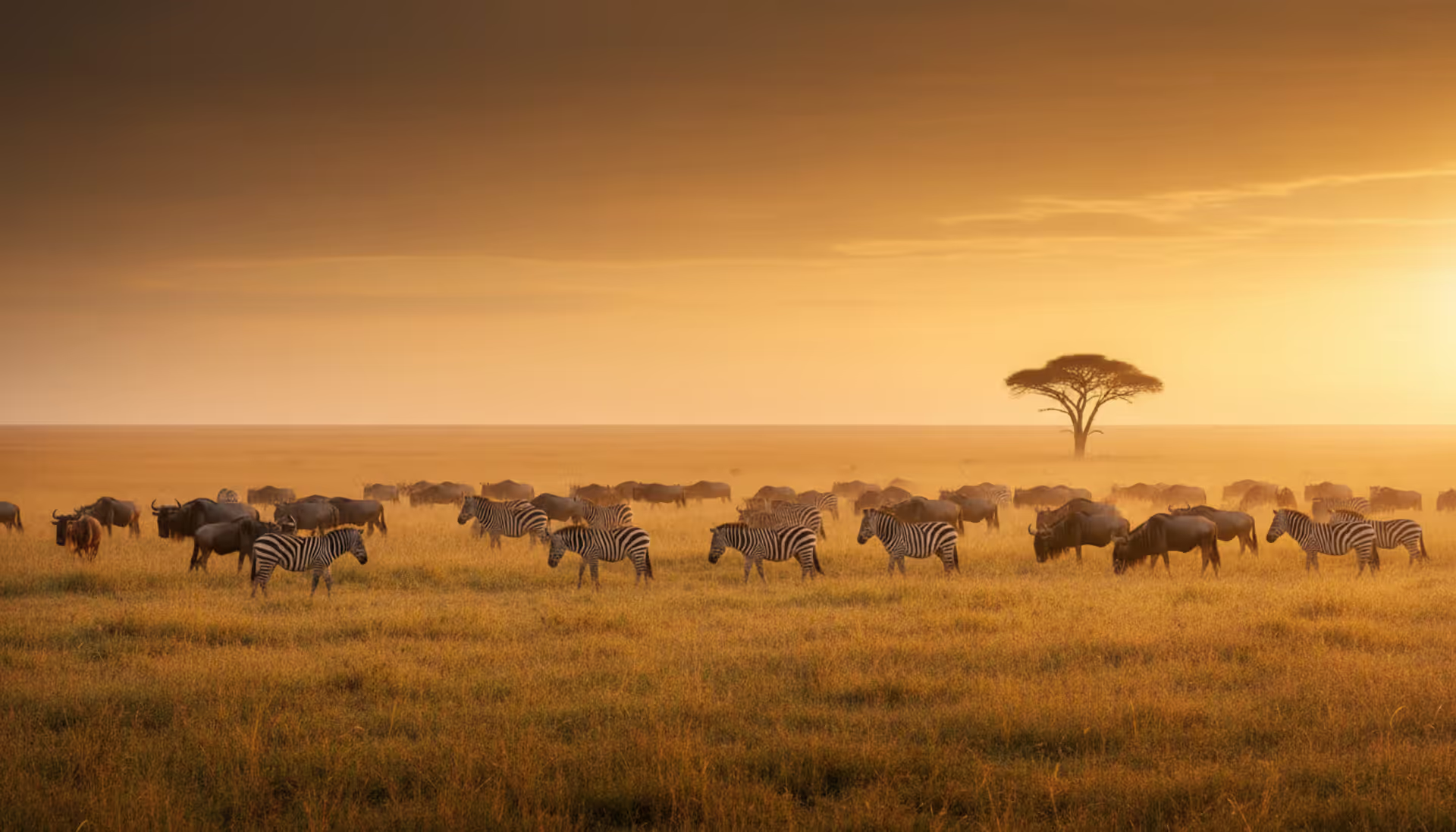
Kenya delivers drama. The Masai Mara's wildebeest migration (roughly July through October) provides wildlife spectacles you can't find elsewhere—millions of animals moving across plains, river crossings where crocodiles ambush panicked herds, and predator action that justifies every nature documentary cliché. Laikipia County offers malaria-free options with Mount Kenya views. Most Kenyan lodges set minimum ages at six or seven, though private bookings often waive this.
Tanzania offers the Serengeti and Ngorongoro Crater—arguably Africa's greatest wildlife viewing concentration. The northern circuit suits families with kids eight and older; several camps maintain strict minimum age policies due to unfenced properties where lions walk through camp at night. The calving season (late January through February) in the southern Serengeti creates predator-prey interactions your teenagers will reference for years. Expect to see cheetahs hunting, lion prides teaching cubs to kill, and hyenas competing with jackals over newborn wildebeest.
Botswana caters to families seeking water-based safaris in the Okavango Delta. Mokoro (traditional canoe) trips, boat safaris, and island camps add variety beyond standard game drives. The country enforces high-cost, low-volume tourism, so you'll encounter fewer vehicles at sightings but pay premium rates ($1,500–$2,500 per person daily). Most camps set minimum ages at eight or twelve. Wildlife populations here are among Africa's healthiest since Botswana invested heavily in anti-poaching.
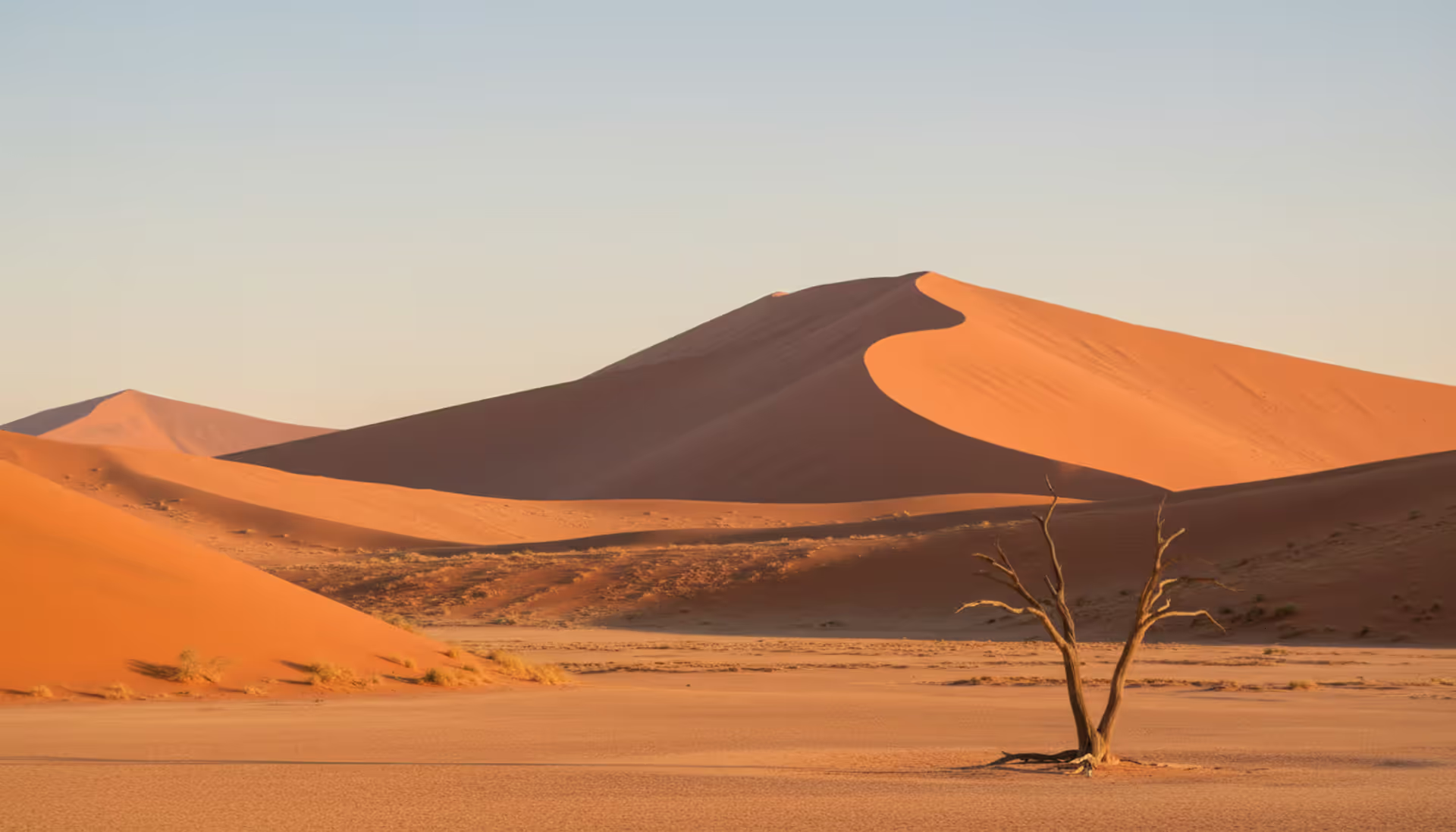
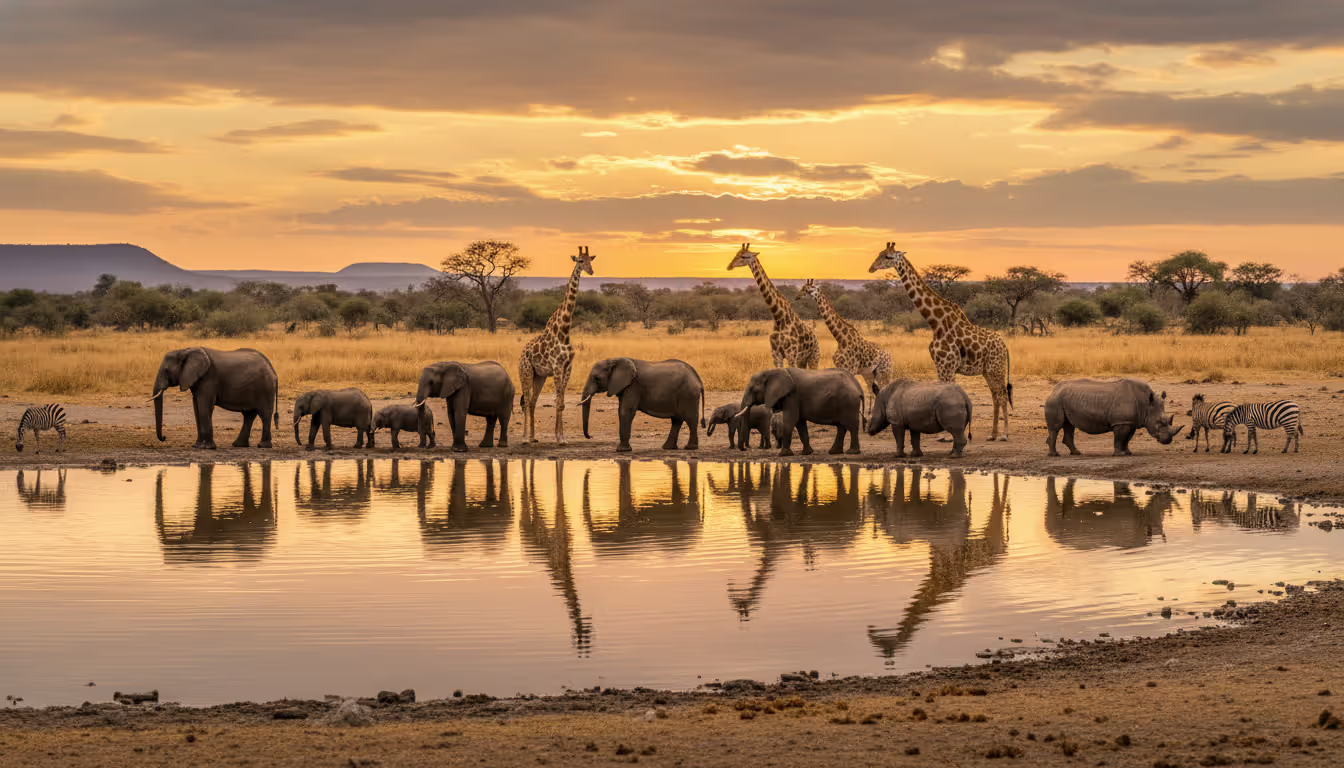
Namibia works beautifully for self-drive families. Etosha National Park's waterhole system lets you park your rental vehicle at places like Okaukuejo Camp's floodlit waterhole and watch rhinos, elephants, and lions come to drink. Roads are excellent, malaria risk is low, and you can combine safari with coastal Swakopmund or the Sossusvlei dunes. This suits families with children over five who can handle car travel between locations.
Author: Sophie Laurent;
Source: reykjaviksegwaytours.com
Best Time to Visit Each Region
Wildlife viewing quality varies dramatically by month within each destination.
Kenya's Masai Mara peaks July–October during migration, but you'll compete with dozens of other vehicles at river crossings and pay peak-season pricing (30–40% higher than shoulder months). June and November deliver 80% of the wildlife viewing at significantly lower rates with half the tourist density. Skip April and May entirely—roads become impassable mud and many camps close.
Tanzania's Serengeti follows the migration year-round, but most families target either the calving season (January–February) in the southern Serengeti or the Mara River crossings (July–October) in the north. The calving season provides better value—dramatic predator action as big cats hunt vulnerable newborns, fewer tourists, and rates 20–30% below peak pricing. You'll need flexibility since exact timing shifts based on rainfall.
South Africa's Eastern Cape reserves function year-round, though winter (June–August) brings the clearest game viewing. Vegetation dies back, animals concentrate near water, and cool temperatures keep everyone comfortable. Summer (December–February) adds thunderstorm drama and baby animals but also thick bush that makes spotting difficult.
Botswana's flood cycle dictates timing. The Okavango Delta floods June through October, creating the classic water safari experience. Visit May or November for transition periods—rising or receding water with shoulder-season pricing. December through April brings "green season" discounts (40–50% off peak rates) and good bird watching but limited water-based activities.
Namibia's Etosha performs best May through October when dry conditions concentrate wildlife around permanent waterholes. By September you'll see incredible animal density at spots like Okaukuejo—elephants, rhinos, lions, and giraffes sharing water within meters of each other. Downside: temperatures hit 95°F+ and you'll need serious sun protection.
Age Requirements and Safety Considerations
Every lodge sets different minimum ages—there's no industry standard. Generally, unfenced camps with dangerous game wandering through enforce stricter policies (eight to twelve years old) than fenced reserves (any age welcome). Private vehicle bookings often bypass these restrictions since your cranky toddler won't disturb other guests.
Malaria medication complicates travel with young children. Atovaquone-proguanil (sold as Malarone) requires minimum weight of 11 pounds. Doxycycline can't be prescribed under age eight. Mefloquine works for younger children but carries neuropsychiatric side effects that make many parents uncomfortable. This makes malaria-free zones like South Africa's Eastern Cape or Kenya's Laikipia essential for families with babies and toddlers.
Unfenced properties require constant supervision. At camps where elephants and buffalo roam freely through the grounds, lodges assign armed escorts to walk guests between tents and dining areas after dark. Children cannot wander independently—ever. Some eight-year-olds grasp this immediately; others struggle with the restriction and make everyone anxious.
Most lodges prohibit children under twelve on bush walks, though some offer modified family walks with heightened safety protocols and shorter distances.
Author: Sophie Laurent;
Source: reykjaviksegwaytours.com
Choosing the Right Luxury Safari Resort for Families
The property you select matters more than the destination—a mediocre lodge in a great wildlife area delivers a worse experience than a great lodge in a decent area.
Family suites with connected sleeping areas should top your requirements list. Look for properties advertising "family tents," "family villas," or "interconnecting suites." These provide separate bedrooms (so parents don't all go to bed at 7:30 p.m. with the kids) plus shared living space and private decks. &Beyond's family suites and Singita's villas set the standard—two or three bedrooms, multiple bathrooms, plunge pools, and 24-hour butler service.
Children's programs led by dedicated guides separate exceptional family lodges from merely family-friendly ones. These aren't babysitting services—they're structured educational experiences where kids learn tracking, identify plants used in traditional medicine, make plaster casts of animal prints, or complete junior ranger certifications. The best programs run during both game drive slots (morning and afternoon) so parents can choose couples-only drives without guilt.
Private vehicle access costs extra but transforms family safaris. Instead of conforming to shared vehicle schedules, you depart when your family is actually ready (after the baby's second breakfast and the teenager's long shower). You return when energy flags rather than pushing through because strangers paid for a full three-hour drive. This flexibility multiplies the value exponentially for families with children under ten.
Flexible dining service prevents daily battles over unfamiliar food. The best properties prepare separate children's menus (or modify any dish on request), accommodate allergies without advance notice, and serve meals when you want them rather than forcing fixed seatings. One Kenya lodge prepared separate plain pasta for my friend's daughter every single night for a week without ever suggesting she try something else.
Pool facilities and non-safari activities provide essential relief valves. After two three-hour game drives daily, children need somewhere to burn energy that isn't their room or a vehicle. Properties with pools, game rooms, or safe outdoor play areas keep everyone sane during midday heat when even African wildlife seeks shade.
Age-appropriate activities beyond game viewing add educational depth. Bush survival skills sessions, stargazing with astronomers, visits to local schools, craft workshops with Maasai artisans, or cooking classes with camp chefs give children varied ways to engage with African culture and ecology.
Medical support and evacuation protocols deserve investigation before booking remote camps. Confirm the lodge maintains comprehensive first aid supplies, employs staff with wilderness medical certification, and subscribes to air ambulance services. Some Okavango Delta camps sit four hours by boat and plane from hospitals—know exactly what happens if someone needs emergency care.
Luxury Family Safari vs. Other High-End Family Vacations
Safaris compete against several other premium family vacation options, each offering different trade-offs in cost, education, and logistics.
Luxury family ski holidays at places like Deer Valley, Whistler, or Verbier deliver reliable adrenaline and measurable skill progression. All inclusive ski vacations typically run $600–$1,200 per person daily—comparable to mid-tier safari pricing—but require specific timing (December through March) and suit families where all children can ski independently. Safaris accommodate much wider age ranges and don't depend on weather conditions. Skiing builds physical skills and confidence; safaris build ecological understanding and perspective on conservation challenges.
Luxury family cruises win on pure convenience. You unpack once while the ship handles all logistics. Kids' clubs provide professional supervision that safari lodges rarely match, and most cruise lines welcome children of any age. However, cruises sacrifice intimacy and transformative wildlife encounters. Your family might see ten European ports in two weeks on a cruise; on safari you might spend ninety minutes watching a leopard teach cubs hunting techniques—an experience no shore excursion replicates. Cruises work better for families prioritizing convenience; safaris work better for those prioritizing education and adventure.
Glamping holidays and luxury glamping experiences at properties in Montana, Utah, Patagonia, or New Zealand offer outdoor immersion without Africa's complexity. They cost substantially less ($400–$800 per person daily), eliminate international travel stress, and often include activities like horseback riding, fly fishing, or hiking that engage wider age ranges than game viewing. But they can't deliver the wildlife density, cultural immersion, or ecological education of a family safari Africa experience.
| Vacation Type | Typical Cost (family of 4) | Best Age Range | Adventure Level | Educational Value | Booking Lead Time |
| Luxury Family Safari | $12,000–$35,000 (10 days) | Ages 6–18 | High | Exceptional—ecology, conservation, cultural immersion | 9–12 months ahead |
| Luxury Ski Holiday | $10,000–$20,000 (7 days) | Ages 5–18 | High | Moderate—skill building, mountain safety, independence | 6–9 months ahead |
| Luxury Family Cruise | $8,000–$18,000 (7 days) | All ages | Low to Moderate | Moderate—history and geography at ports | 6–12 months ahead |
| Luxury Glamping | $5,000–$12,000 (5 days) | All ages | Moderate | Low to Moderate—outdoor skills, regional ecosystems | 3–6 months ahead |
Safaris require the longest booking windows because top family lodges fill their limited family suites 9–12 months out for peak seasons like the migration. They also demand the most preparation—vaccinations, malaria consultation, visa applications, gear research—but deliver educational returns that outlast the vacation itself. Kids who track rhinos with indigenous guides or witness predator-prey dynamics develop ecological literacy that classroom learning can't touch.
The difference between a luxury safari and other high-end family trips isn't the accommodation quality—it's what happens to your kids' understanding of the natural world. When my daughter watched a mother elephant spend twenty minutes helping her calf climb out of a mudhole during drought season, she understood interdependence in ways no textbook could teach. She's now majoring in environmental science, and it traces directly back to that week in Botswana. Was it worth $65,000? Every single dollar
— Sarah Mitchell
What to Pack and How to Prepare Your Kids
Mental preparation matters ten times more than physical preparation. Safari success depends on realistic expectations, not perfect gear.
Health preparation timelines matter significantly. Book a travel medicine consultation 8–12 weeks before your departure date—seriously, not six weeks, not four weeks. Here's why that timing matters: yellow fever vaccination requires a single dose but takes 30 days to become officially valid for entry requirements. Hepatitis A requires two doses spaced 6–12 months apart for full protection (though the first dose provides good short-term coverage). Typhoid vaccine needs two weeks to reach effectiveness.
Malaria prophylaxis options depend on age. Children over eight years can typically take doxycycline (which also helps prevent travelers' diarrhea as a bonus). Kids between 11 pounds and eight years usually get atovaquone-proguanil. Your travel medicine specialist will factor in your specific destinations since not all African regions carry equal malaria risk.
Educational preparation transforms safari from expensive vacation to formative experience. Three months before departure, start reading age-appropriate books about African ecosystems. Your library probably has dozens. Watch nature documentaries together—Planet Earth's savanna episodes, The Hunt, African Cats, anything that builds pattern recognition for animal behavior. Download animal identification apps like "Roberts Birds" or "Kingdon Field Guide" and practice species recognition together.
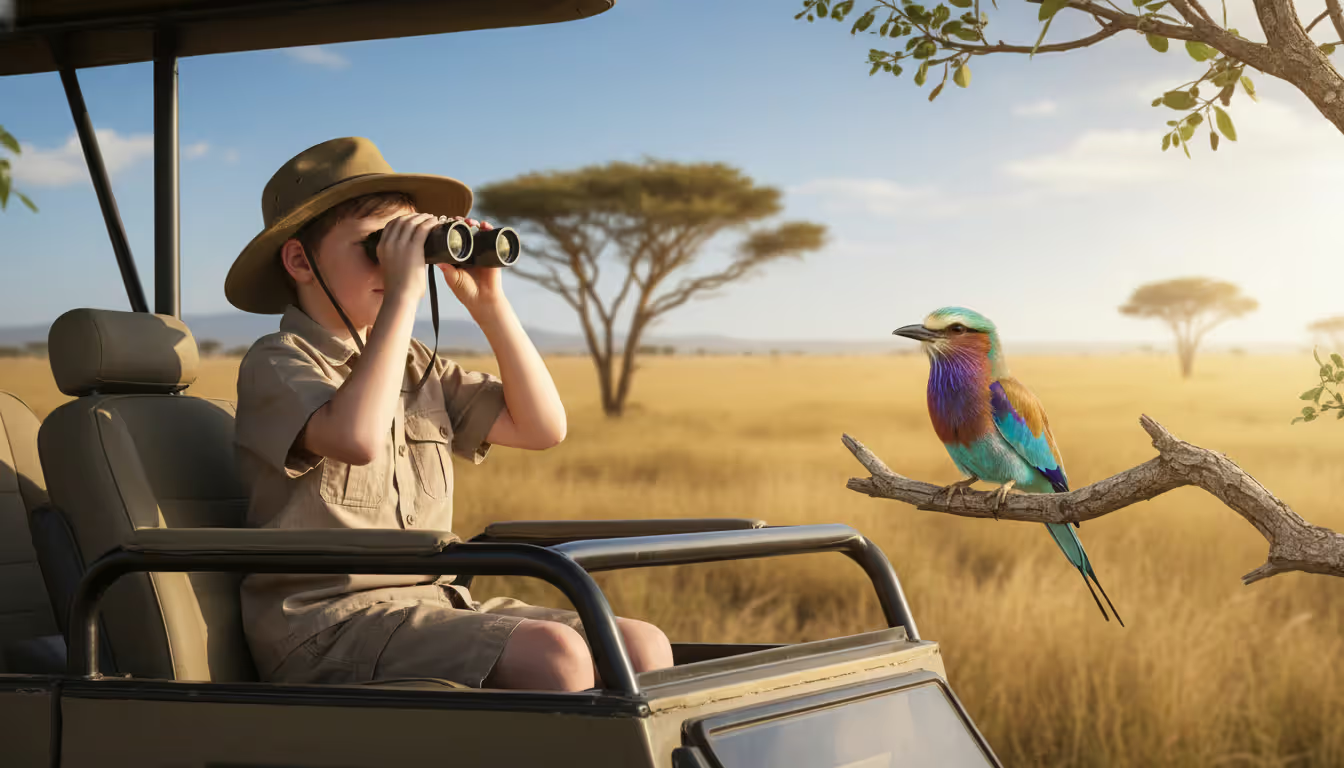
This preparation paid off dramatically for my friend's family. Her nine-year-old son spent two months learning African birds before their Kenya trip. On the first game drive, he correctly identified a lilac-breasted roller, a superb starling, and a southern ground hornbill within thirty minutes. The guide was so impressed he started directing the vehicle toward rarer bird species, which expanded the entire family's experience.
Setting realistic expectations prevents disappointment and meltdowns. Explain that wildlife doesn't perform on schedule. Some morning drives deliver non-stop action—lions, leopards, and elephants within two hours. Other drives involve long stretches of scanning horizons and seeing mostly impala. Both experiences matter. The waiting builds observation skills and makes the payoff more meaningful.
Talk about how safaris differ fundamentally from zoos. Animals won't be in predictable locations. You might not see every species on your wish list. That uncertainty creates the adventure—there's no guarantee, which makes actual sightings more thrilling.
Discuss the physical realities: waking before sunrise regularly, sitting quietly for extended periods, bouncing over rough terrain in open vehicles, dealing with dust and insects. Some children embrace this immediately; others need mental preparation to handle discomfort without complaining.
Author: Sophie Laurent;
Source: reykjaviksegwaytours.com
Essential packing items for children:
- Neutral-colored, lightweight clothing in khaki, olive green, or tan shades (avoid camouflage patterns—they're illegal in some African countries)
- Layering pieces because 5:30 a.m. starts at 45°F and reaches 85°F by 9 a.m.
- Wide-brimmed sun hats and UV-blocking sunglasses rated for children
- Child-sized binoculars (adult models are too heavy and have fields of view too narrow for young users—look for 8x25 or 8x32 specifications)
- Reusable water bottles since hydration becomes critical in dry climates
- Headlamps or small flashlights for navigating camps after dark
- Insect repellent containing 20–30% DEET for malaria zones
- Basic first aid supplies: blister treatment, children's antihistamine, any prescription medications plus copies of prescriptions
Leave these at home: valuable jewelry, bright white or royal blue clothing (attracts tsetse flies), rigid adherence to normal schedules. Safari days follow wildlife rhythms and weather, not clock time. Your usual 8 p.m. bedtime might shift to 7 p.m. after a 5 a.m. wake-up, and that's fine.
Cost Breakdown and Budgeting Tips
Safari pricing confuses people because different properties define "all-inclusive" differently, and nobody advertises the real total cost upfront.
Per-person daily accommodation rates run $800 to $2,500+ at luxury lodges. Here's what that means practically: a family of four spending seven nights at a solid luxury camp ($1,200 per person daily) pays roughly $33,600 for accommodation alone. Top-tier properties in private conservancies like Singita or &Beyond's exclusive camps push past $2,000 per person daily, translating to $56,000+ for one week's lodging.
Standard inclusions at most luxury lodges: accommodation, three meals daily plus snacks and high tea, two game drives per day, guided bush walks, conservancy or park entry fees, and laundry service. Mid-tier luxury properties include house wines, local beers, and basic spirits. Ultra-luxury lodges often provide full premium bar service including champagne and top-shelf liquor.
Costs that always come extra:
- International flights: $1,200–$2,500 per person from major US gateways (New York, LA, DC) to Johannesburg, Nairobi, or Kilimanjaro
- Charter flights between safari camps: $300–$800 per person per leg (and you'll typically need 2–4 legs)
- Visa fees: $50–$100 per person depending on destination countries
- Malaria prophylaxis: $100–$200 per person for a 10-day supply
- Comprehensive travel insurance: 5–7% of total trip cost
- Gratuities: budget $25–$35 per person daily for guides, trackers, and camp staff combined
- Premium activities: hot air balloon safaris ($450–$600 per person), horseback safaris ($200+), private village visits, spa treatments
Realistic total budget for a family of four on a 10-day luxury safari including flights, two camps, ground transfers, and extras: $40,000–$75,000. Families choosing ultra-luxury camps in exclusive areas should budget $75,000–$120,000.
Strategies to reduce costs without sacrificing quality:
Target shoulder seasons aggressively. April–May and November in East Africa bring rate reductions of 20–40% while wildlife viewing remains strong (you might miss the migration peak, but you'll still see incredible game with far fewer vehicles). March–April in South Africa offers similar discounts.
Mix luxury tiers strategically. Spend 3–4 nights at a dream property and 3–4 nights at a very good but less expensive lodge. You'll experience ultra-luxury without paying those rates for the entire trip. One family I know spent four nights at Singita ($2,400/person/night) then four nights at an excellent Sabi Sands camp ($900/person/night), cutting their total accommodation cost nearly in half while still getting the Singita experience.
Negotiate multi-night discounts by booking directly with lodges or through specialist operators who have allocation agreements. Many properties discount the seventh night or reduce rates for stays exceeding five nights. These deals rarely appear on booking websites—you need to ask.
Coordinate with another family if possible. Private houses and villas accommodating 8–10 people cost more than double rooms but substantially less than booking two separate family suites. You'll also get exclusive use of a guide and vehicle.
Evaluate what "all-inclusive" actually includes before booking. Some properties bundle premium spirits and champagne; others charge for anything beyond house brands. If nobody in your family drinks alcohol, negotiate a reduced rate or request upgraded activities instead—maybe a complimentary hot air balloon safari or extra private game drive.
Frequently Asked Questions About Luxury Family Safaris
Planning a luxury family safari requires substantially more research than booking beach resorts or theme parks, but the educational, emotional, and experiential returns justify the investment. Success lies in matching destinations to your children's specific ages, selecting lodges that genuinely welcome families rather than merely tolerating them, and preparing everyone mentally for an adventure that rewards patience and curiosity over instant gratification.
Start by determining whether malaria-free zones matter for your family's age composition, then narrow destination choices based on which wildlife experiences will resonate most powerfully. Book 9–12 months ahead for peak seasons at top properties, budget realistically for the complete cost including all extras, and spend the months before departure building your children's knowledge of the ecosystems they'll explore.
A thoughtfully planned luxury family safari doesn't just create vacation memories—it fundamentally shapes how your children understand their relationship to the natural world. It often sparks lifelong passions for conservation, ecology, or biology. When your teenager chooses environmental science as a college major because of that week watching cheetahs in the Serengeti, or your eight-year-old becomes the family authority on African wildlife behavior, you'll understand that the planning effort paid compound interest on your investment.