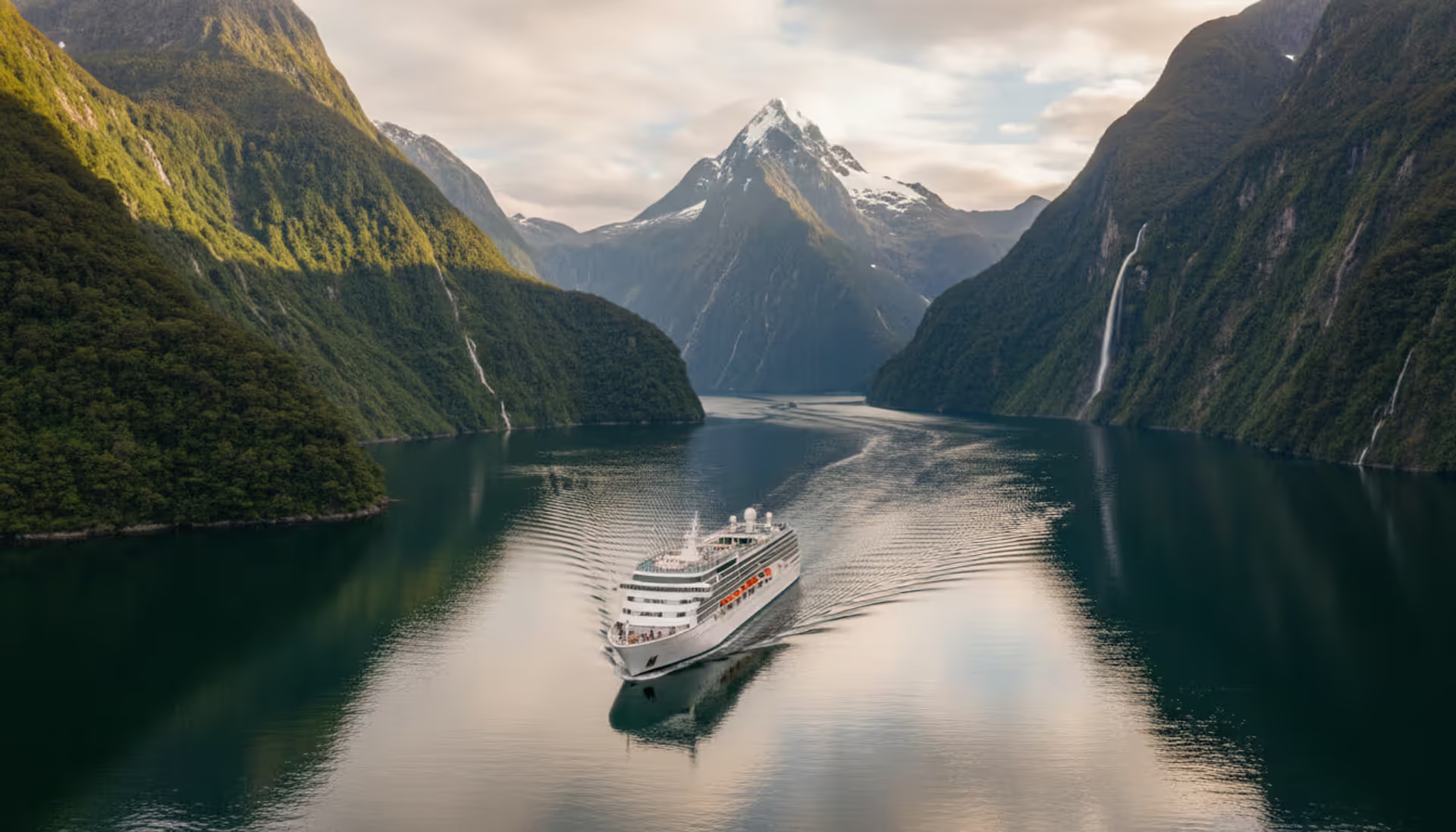
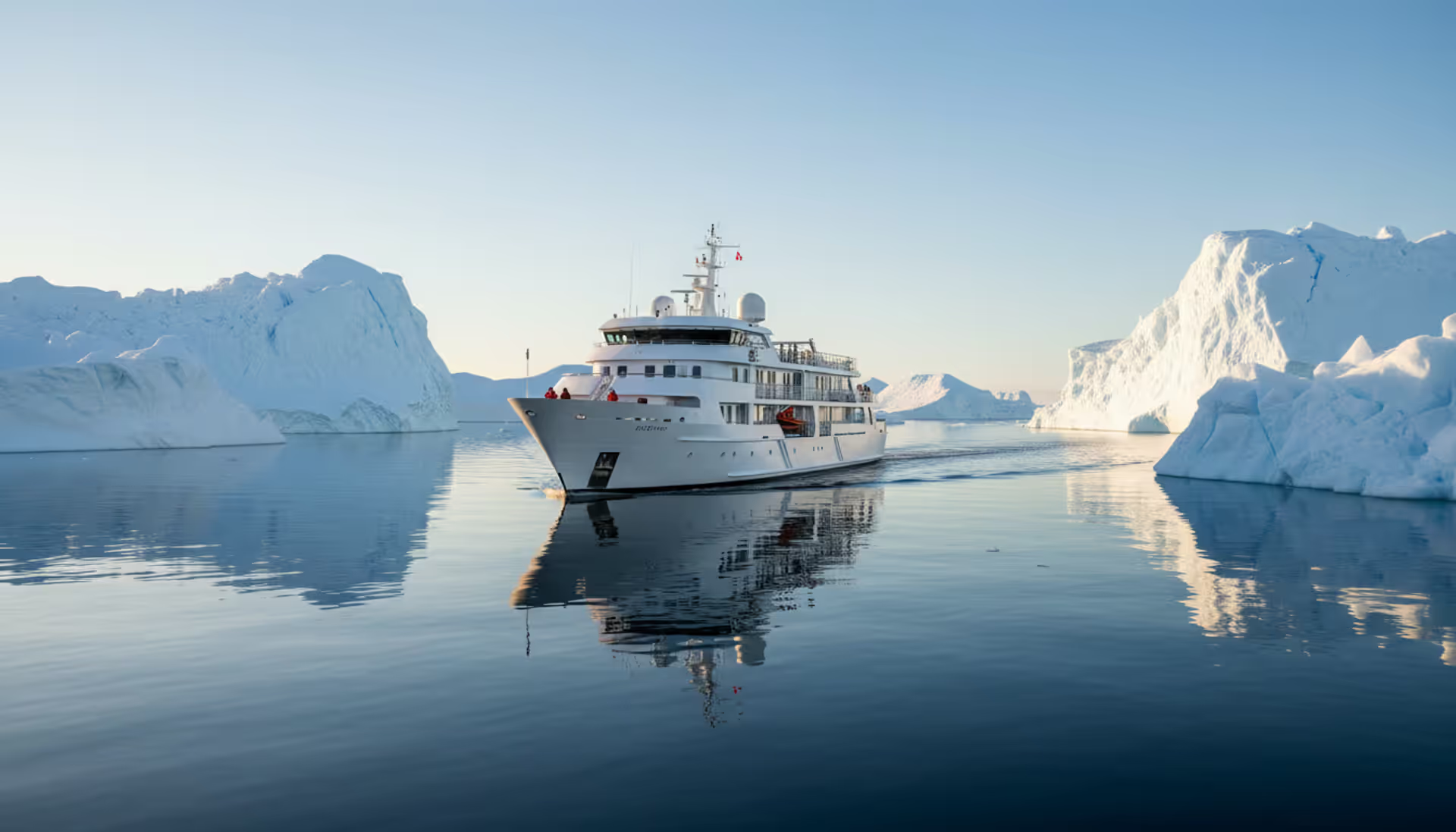
Luxury expedition cruise ship sailing among large blue icebergs in calm Antarctic waters under clear sky
Luxury Antarctica Cruise Guide

Content
Antarctica represents the final frontier for travelers who've already ticked off the world's other continents. Unlike Caribbean or Mediterranean voyages, a journey to the White Continent combines expedition-style exploration with refined comfort—a balance that defines modern luxury polar travel. For US travelers planning this bucket-list adventure, understanding what separates a truly luxurious experience from a standard expedition cruise makes all the difference between a good trip and an unforgettable one.
What Makes an Antarctica Cruise "Luxury"
The term "luxury" gets thrown around liberally in cruise marketing, but in Antarctic waters, it carries specific meaning. A luxury cruise to Antarctica distinguishes itself through several measurable factors that directly impact your experience in one of Earth's most remote environments.
Ship size matters significantly. The best luxury Antarctica cruise vessels typically carry between 100-200 passengers, though some ultra-luxury options accommodate fewer than 100. This isn't just about exclusivity—Antarctic treaty regulations limit the number of people who can land at any site simultaneously. Smaller ships mean more frequent landings, less time waiting for your turn in the Zodiac, and access to sites that larger vessels can't visit.
Staff-to-passenger ratios tell you a lot. Luxury expedition ships maintain ratios of roughly 1:2 or better, compared to 1:3 or 1:4 on standard expedition vessels. This translates to personalized service, more expedition guides per landing group, and faster turnaround times when you're suiting up for excursions in sub-freezing temperatures.
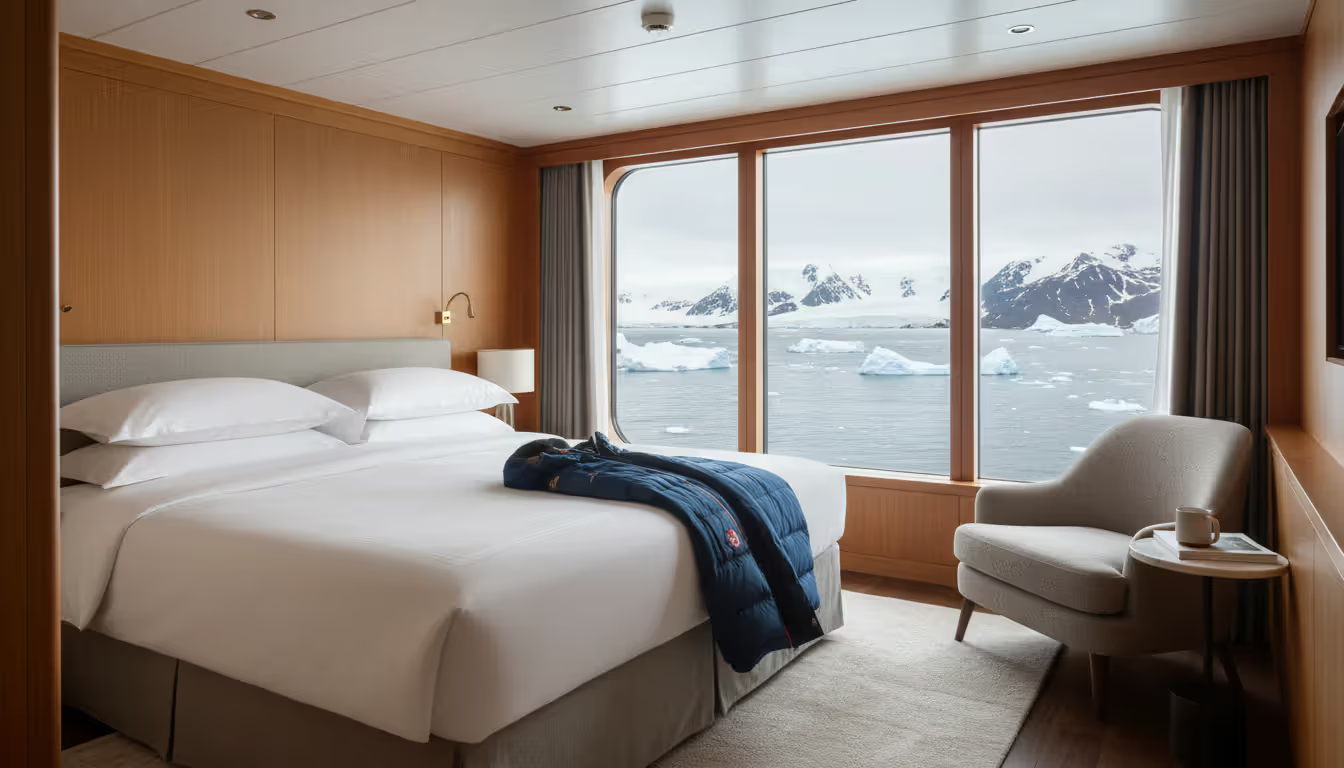
Cabin quality separates luxury from standard more than any other factor. Expect spacious suites starting around 250 square feet, with floor-to-ceiling windows or private balconies, heated bathroom floors, premium linens, and thoughtful storage for bulky cold-weather gear. Some Antarctic cruise ships in the luxury category offer butler service, in-suite dining, and expedition equipment storage separate from your living space.
The expedition team's credentials matter enormously. Luxury operators recruit PhD-level marine biologists, ornithologists, glaciologists, and historians—not just certified naturalists. These experts lead presentations, guide landings, and provide context that transforms a penguin sighting from a photo opportunity into a deeper understanding of Antarctic ecology.
Ice class certification affects where your ship can safely travel. Luxury vessels typically carry Ice Class 1A or Polar Class 6 ratings (or higher), enabling access to ice-choked channels and protected bays that lower-rated ships must avoid. This capability directly expands your itinerary possibilities.
All-inclusive pricing structures are standard among luxury operators. Your fare typically covers meals, premium alcohol, expedition gear (parkas, boots), gratuities, and sometimes even pre-cruise hotel stays. Budget expedition cruises often charge separately for these items, creating sticker shock after you've committed.
Author: Alexander Moreau;
Source: reykjaviksegwaytours.com
Best Times and Routes for Antarctic Cruises
Antarctica's cruise season runs from November through March—the austral summer—but each month offers distinct advantages. Your choice depends on what matters most: pristine snow, penguin chicks, whale encounters, or warmer temperatures.
November brings peak ice and snow coverage, creating dramatic landscapes and excellent conditions for photography. Penguin colonies are courting and nest-building, though you won't see chicks yet. Prices tend to run 15-20% lower than peak season. Expect temperatures around 20-30°F and longer daylight hours as the region approaches the summer solstice.
December and January represent peak season for Antarctica vacation planning. Twenty-plus hours of daylight, penguin chicks hatching, seal pups appearing on ice floes, and slightly warmer temperatures (climbing to the mid-30s Fahrenheit) make these months popular with families and first-time visitors. Book 12-18 months ahead for the best cabin selection.
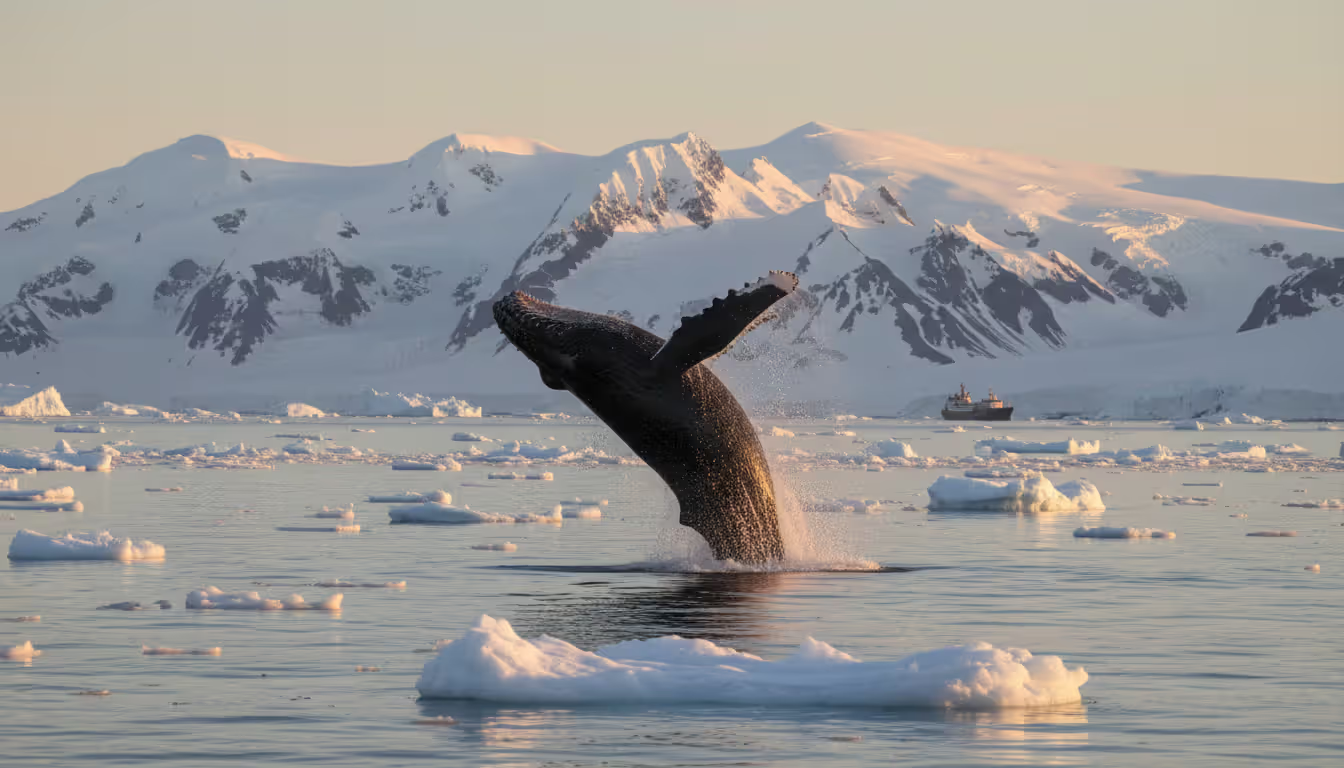
February and March offer the best whale watching as humpbacks, minkes, and orcas feed heavily before winter. Penguin chicks fledge, creating chaotic colonies filled with activity. Ice begins receding, opening routes further south. Late-season pricing can drop 20-30% compared to December departures, making this an attractive option for budget-conscious luxury travelers.
Antarctic Peninsula vs. South Georgia Routes
The Antarctic Peninsula—the finger of land pointing toward South America—hosts the majority of Antarctica travel itineraries. These cruises depart from Ushuaia, Argentina, and spend 10-14 days exploring the peninsula's western coast. You'll encounter massive penguin rookeries, dramatic icebergs, and opportunities for kayaking among ice floes. The Drake Passage crossing takes roughly two days each way, with conditions ranging from glassy calm to genuinely challenging seas.
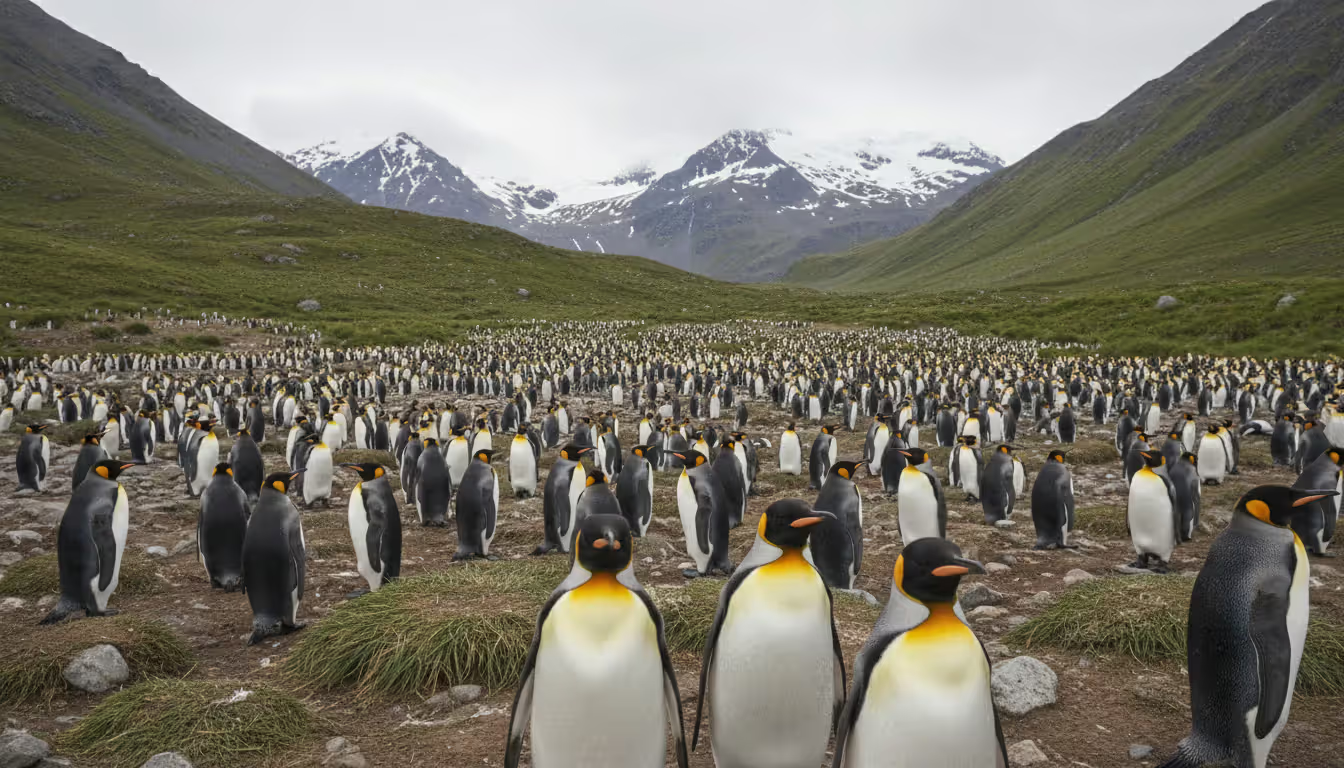
South Georgia routes add 7-10 days and significantly more wildlife diversity. Located 800 miles east of the Falkland Islands, South Georgia hosts king penguin colonies numbering in the hundreds of thousands, along with elephant seals, fur seals, and albatross. These extended voyages typically visit the Falklands, South Georgia, and the Antarctic Peninsula in a 20-24 day loop. They're ideal for serious wildlife photographers and travelers who want the most comprehensive Southern Ocean experience.
Some luxury expedition Antarctic cruises venture to the Ross Sea, the Weddell Sea, or attempt Antarctic Circle crossings. These specialized itineraries require three weeks or more and command premium pricing, but they access regions that fewer than 1,000 people visit annually.
Author: Alexander Moreau;
Source: reykjaviksegwaytours.com
When to Book Your Antarctica Vacation
Booking windows have compressed in recent years as demand has increased. For peak-season departures (December-January), reserve 14-18 months ahead to secure your preferred cabin category and departure date. Shoulder season (November, February-March) offers more flexibility—booking 10-12 months out typically works fine.
Early booking discounts range from 10-25% off published rates, though these deals typically expire 12 months before departure. Last-minute deals do occasionally surface when operators need to fill remaining cabins, but you'll have limited choice in cabin location and type.
Consider booking through a specialist agency rather than directly with operators. Agencies often have access to group rates, cabin upgrades, and added perks (shipboard credit, pre-cruise hotel nights) that aren't available to individual bookers.
Top Luxury Antarctic Cruise Ships and Operators
The luxury Antarctic expedition market has evolved considerably over the past decade. Purpose-built vessels now incorporate ice-strengthened hulls, stabilization systems, and luxury amenities that would have seemed impossible on expedition ships twenty years ago.
Silversea's Silver Endeavour accommodates 200 guests with an Italian hospitality approach—think outstanding cuisine, all-suite accommodations starting at 226 square feet, and butler service in higher categories. The ship carries eight Zodiacs and maintains a 1:1.3 staff-to-guest ratio.
Seabourn Venture, launched in 2024, brings the line's signature ultra-luxury standards to polar regions. With 264 guests, two submarines, 24 Zodiacs, and a 26-person expedition team, it represents the current state-of-the-art in luxury expedition cruising. Suites range from 344 to over 1,000 square feet.
Ponant's Le Commandant Charcot pushes boundaries with a Polar Class 2 ice-breaking hull—the only passenger vessel capable of reaching the geographic South Pole by sea. Its 135 passengers enjoy French gastronomy, a spa, and access to regions other ships simply cannot reach. Expect to pay premium rates for this capability.
Hurtigruten's MS Roald Amundsen and MS Fridtjof Nansen blend Scandinavian design with hybrid propulsion technology, reducing environmental impact without sacrificing comfort. These 530-passenger ships fall into the "premium" rather than "luxury" category but offer excellent value with strong expedition programs.
Lindblad's National Geographic Explorer and Endurance partner with National Geographic for enhanced educational programming, including a National Geographic photographer aboard each voyage. The 148-passenger Endurance features a sauna, igloos on the top deck, and a distinctive bow design optimized for ice navigation.
| Ship | Passenger Capacity | Starting Price (USD) | Ice Class Rating | Notable Amenities | Typical Itinerary Length |
| Silver Endeavour | 200 | $15,500 | Ice Class 1A | Butler service, all-suite, 8 dining venues | 10-20 days |
| Seabourn Venture | 264 | $13,000 | Polar Class 6 | Two submarines, expedition gear included | 11-21 days |
| Le Commandant Charcot | 135 | $23,000 | Polar Class 2 | Ice-breaking capability, spa, French cuisine | 14-28 days |
| National Geographic Endurance | 148 | $12,500 | Polar Class 5 | Igloos, sauna, National Geographic partnership | 13-24 days |
| MS Roald Amundsen | 530 | $8,500 | Ice Class 1A | Hybrid propulsion, science center | 10-19 days |
What to Expect on a Luxury Antarctica Expedition
Daily routines on luxury expedition Antarctic cruises follow a flexible structure built around weather, ice conditions, and wildlife opportunities. Expedition leaders adjust plans constantly—the itinerary you receive before departure serves as a framework, not a guarantee.
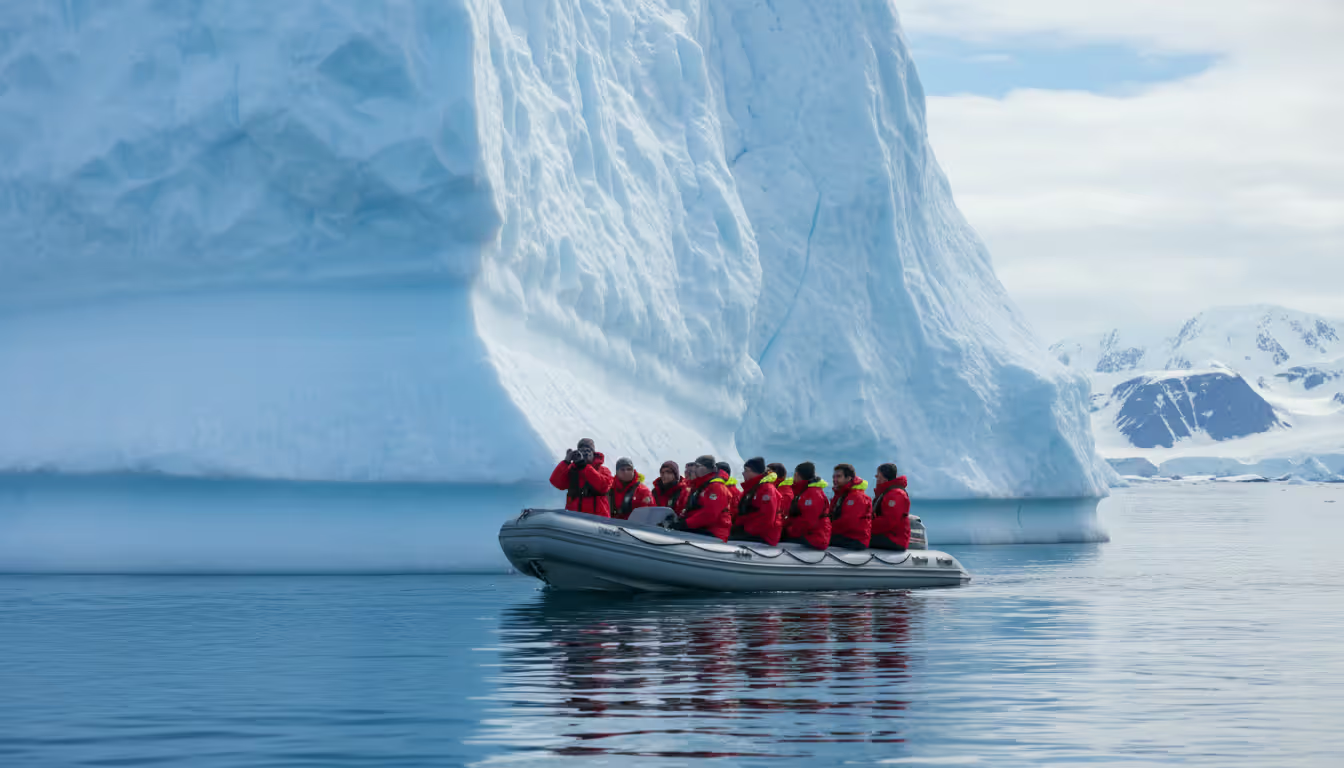
Mornings typically begin with a 6:30-7:00 AM wake-up call and breakfast, followed by the first landing around 8:00 AM. You'll board Zodiacs (rigid inflatable boats holding 10-12 passengers) for wet landings on beaches or dry landings on rock outcrops. Landings last 2-3 hours, with expedition staff maintaining a perimeter and providing interpretation. Expect to spend time simply sitting on rocks, watching penguins waddle past inches from your boots—these unscripted moments often become trip highlights.
Afternoon landings or Zodiac cruises follow lunch. Some days offer optional activities: kayaking among icebergs, snowshoeing up glaciers, or polar camping overnight on shore (weather permitting). These activities typically cost $200-500 extra but create unique experiences beyond standard programming.
Author: Alexander Moreau;
Source: reykjaviksegwaytours.com
Evenings bring lectures, photography workshops, or documentary screenings. Expedition staff present on topics ranging from krill biology to Shackleton's expeditions. The bridge remains open during most sailing, allowing you to watch navigation through ice fields or chat with officers about ship operations.
Dining on luxury vessels rivals high-end restaurants ashore. Expect multiple venues—a main dining room with regionally-inspired menus, a casual café for breakfast and lunch, and specialty restaurants featuring Italian, Asian, or French cuisine. Premium wines, craft cocktails, and top-shelf spirits flow freely as part of all-inclusive packages.
Onboard facilities vary by vessel but typically include a gym, spa, library, observation lounge, and multiple outdoor viewing decks. Some ships feature saunas, plunge pools, or hot tubs—surprisingly popular after a day in sub-freezing temperatures.
The social atmosphere tends toward camaraderie rather than formality. You'll share Zodiac rides with retired doctors, tech entrepreneurs, and professional photographers. Evening dress codes lean casual-elegant; leave the tuxedo at home but pack nice slacks and a button-down for dinner.
Cost Breakdown and What's Included
Luxury Antarctica vacations represent a significant investment. Understanding the cost structure helps you budget accurately and avoid surprises.
Base fares for the best luxury Antarctica cruise options range from $12,000 to $35,000 per person for Antarctic Peninsula itineraries, with South Georgia extensions adding $8,000-15,000. Ultra-luxury vessels and specialized itineraries (Ross Sea, Weddell Sea) can exceed $50,000 per person.
These fares typically include: - All meals and premium beverages (alcohol, specialty coffee) - Expedition parka (yours to keep) - Rubber boot use (returned at voyage end) - All landings and Zodiac excursions - Onboard lectures and educational programming - Gratuities for ship staff and expedition team - Pre-cruise hotel night in the departure city
Additional costs to budget for: - Flights to/from Ushuaia, Argentina (the primary departure port): $800-1,500 from US gateways - Travel insurance with medical evacuation coverage: $500-1,200 per person (absolutely essential) - Optional activities (kayaking, camping, diving): $200-800 - Personal gear (waterproof pants, layering pieces, camera equipment): $300-1,000 - Pre- or post-cruise hotel nights beyond what's included: $150-400 per night - Visa fees if routing through Buenos Aires with extended layovers: $160
Cabin categories dramatically affect pricing. Entry-level suites with portholes or small windows start at base rates, while mid-ship balcony suites run 30-50% higher, and top-tier owner's suites can cost double the base fare. Location matters—cabins on higher decks with minimal motion and easy access to expedition areas command premiums.
Early booking discounts, typically offered 12-18 months before departure, can reduce costs by 15-25%. Some operators offer "pay in full" discounts of an additional 5-10% if you can commit to full payment at booking rather than using a deposit-and-payment-plan structure.
Author: Alexander Moreau;
Source: reykjaviksegwaytours.com
Flight packages from US cities occasionally appear as add-ons, bundling airfare to Ushuaia with your cruise fare. These rarely offer better pricing than booking independently but can simplify logistics and provide protection if flights are delayed and you miss embarkation.
How to Choose the Right Luxury Antarctica Cruise
Selecting from dozens of luxury cruise to Antarctica options requires matching your priorities to vessel characteristics and itinerary design.
Ship size creates the most fundamental trade-off. Vessels under 100 passengers offer intimacy, flexibility, and near-constant landing opportunities. You'll know everyone aboard by name within days. Ships carrying 150-200 passengers provide more amenities (multiple restaurants, larger cabins, better stabilization) while maintaining reasonable landing schedules. Anything over 200 passengers means longer waits for landings and larger groups ashore, though you gain additional facilities and potentially lower per-day costs.
Itinerary length depends on your available time and budget. Ten-day Antarctic Peninsula loops provide a solid introduction, with 4-5 full days among ice and wildlife. Fourteen-day voyages add more landing sites and potentially venture further south toward the Antarctic Circle. Twenty-plus-day expeditions incorporating South Georgia deliver the most comprehensive experience but require significant time away from home.
Departure ports matter primarily for US travelers on the East Coast versus West Coast. Ushuaia, Argentina dominates as the departure point for Peninsula cruises—it's roughly equidistant from Miami and Los Angeles in terms of total travel time. Some cruises depart from Punta Arenas, Chile, or even sail from New Zealand for Ross Sea expeditions (adding considerable flight time from the US).
Expedition focus varies among operators. Some emphasize photography with professional photographers aboard offering workshops and portfolio reviews. Others lean scientific, with active research programs you can participate in. Still others focus on adventure activities—kayaking, mountaineering, diving. Review the expedition staff bios and onboard programming before booking to ensure alignment with your interests.
Your experience level with expedition travel influences which vessel suits you best. First-time expedition cruisers often appreciate larger vessels with more stability, structured programming, and comprehensive onboard amenities. Experienced polar travelers might prioritize smaller ships with more adventurous itineraries and flexibility to chase rare wildlife sightings or unusual ice conditions.
Consider the season carefully based on your priorities. Wildlife photographers generally prefer November for pristine ice and dramatic landscapes, or February-March for whale encounters. Families with children often choose December-January for milder temperatures and penguin chicks. Budget-conscious travelers should examine shoulder-season departures in November or late February.
The magic of luxury Antarctic expeditions lies not in marble bathrooms or Michelin-starred dining—though those are lovely—but in the seamless integration of comfort and wild authenticity. After spending a morning lying in snow watching a leopard seal hunt penguins, you return to a warm ship where someone hands you a hot chocolate and draws you a bath. That juxtaposition, that ability to fully immerse in one of Earth's harshest environments while maintaining personal comfort, transforms how deeply you can engage with Antarctica. You're not just surviving the experience; you're savoring it
— Dr. Sarah Chen
Frequently Asked Questions About Luxury Antarctica Travel
A luxury Antarctica cruise delivers far more than bragging rights for visiting the seventh continent. The combination of world-class expedition teams, thoughtfully designed vessels, comprehensive itineraries, and refined comfort creates conditions for genuine connection with one of Earth's last pristine wildernesses. The investment—both financial and in time away from daily life—pays dividends in experiences that genuinely cannot be replicated elsewhere on the planet.
Choosing the right voyage requires honest assessment of your priorities. Photographers might prioritize November departures on smaller vessels with flexible itineraries. Families could prefer December sailings on larger ships with more structured programming. Wildlife enthusiasts should consider February departures or extended South Georgia itineraries. Budget-conscious travelers can find value in shoulder-season departures or by booking 18 months ahead for early-bird discounts.
The Antarctic cruise market continues evolving, with new purpose-built expedition vessels launching regularly and operators pushing into more remote regions. This expansion creates more options but also more complexity in choosing the right voyage. Working with specialist agencies that focus exclusively on polar travel often provides access to expertise, group rates, and added perks that justify their involvement.
Regardless of which luxury Antarctica vacation you ultimately book, the experience will likely recalibrate your understanding of wilderness, wildlife, and your own comfort zones. Few journeys offer such dramatic contrasts—utter silence broken only by calving glaciers, tuxedoed penguins marching past your boots, icebergs the size of buildings drifting past your balcony. Combined with exceptional food, knowledgeable guides, and comfortable accommodations, luxury Antarctic expeditions represent adventure travel at its most refined.