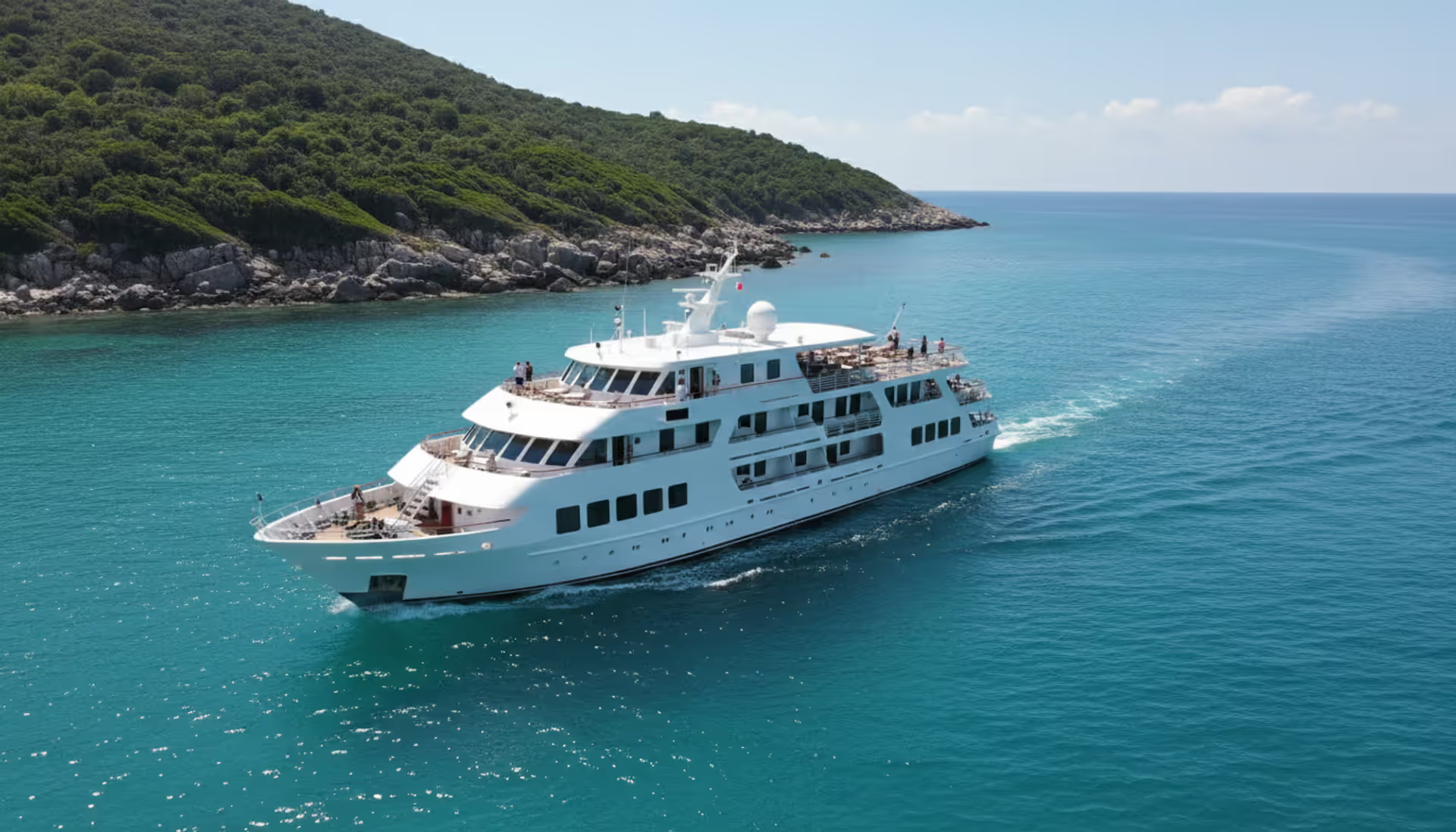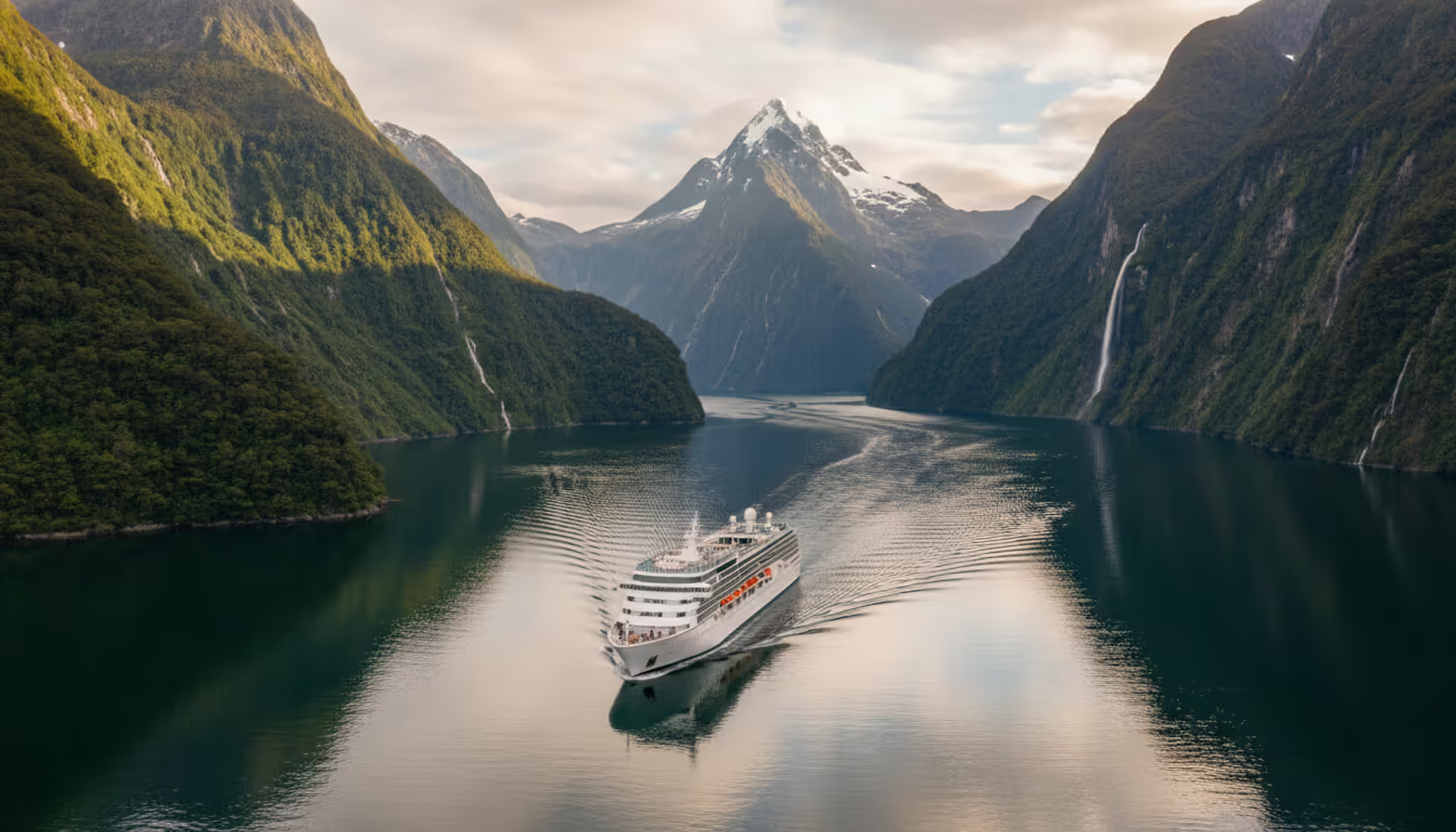
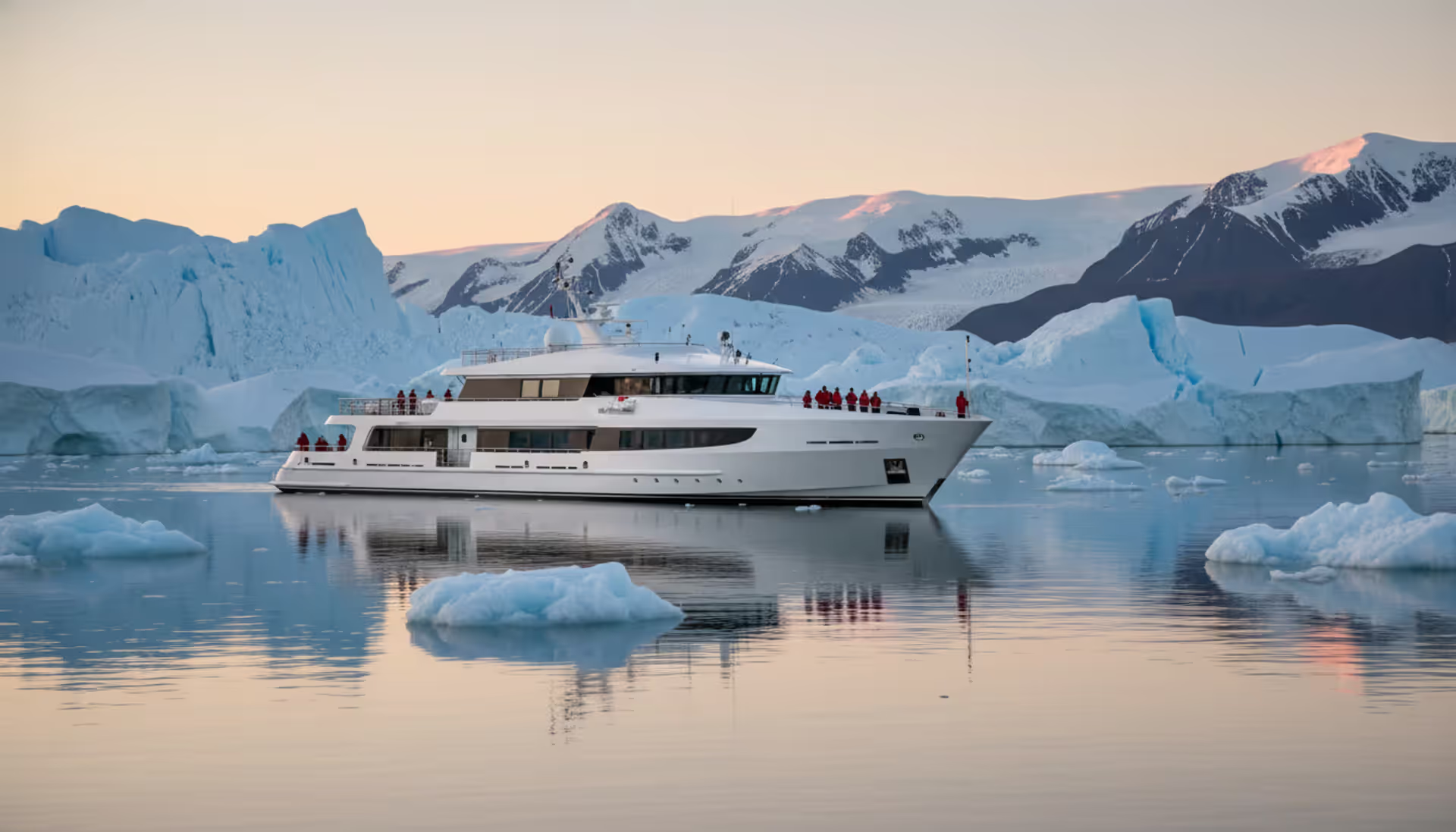
Luxury expedition cruise ship anchored in a calm Arctic fjord surrounded by blue icebergs and snow-covered mountains under midnight sun
Luxury Arctic Cruises Guide

Content
The Arctic stands as one of the planet's last truly remote frontiers, and exploring it aboard a high-end vessel turns harsh wilderness into sophisticated adventure. Where budget expeditions pack in passengers and cut corners on amenities, luxury Arctic cruises maintain five-star standards while delivering genuine polar encounters—imagine watching polar bears from heated outdoor viewing platforms, then returning to Michelin-quality meals and suites larger than many city apartments.
These journeys appeal to travelers who want more than checking boxes on a bucket list. A luxury polar expedition gives you access to places most people will never reach, guided by specialists who've dedicated entire careers to polar regions, all without the discomfort that typically comes with extreme-latitude travel.
What Makes an Arctic Cruise a Luxury Experience
The gap between standard and luxury Arctic expeditions goes way beyond fancy linens and marble bathrooms. Real arctic luxury travel rests on three foundations: small ship sizes that access exclusive locations, world-class expedition teams with legitimate credentials, and genuinely all-inclusive pricing that eliminates surprise charges.
Top-tier vessels carry 100-200 guests rather than packing in 300+. This matters because smaller groups can land at pristine sites that simply can't handle crowds. You'll notice the difference immediately—passenger-to-staff ratios often hit 1:1 or better. Your expedition leader might have a doctorate in glaciology or 200+ Arctic voyages under their belt. That's not marketing fluff; it fundamentally changes what you learn during daily briefings and wildlife observations.
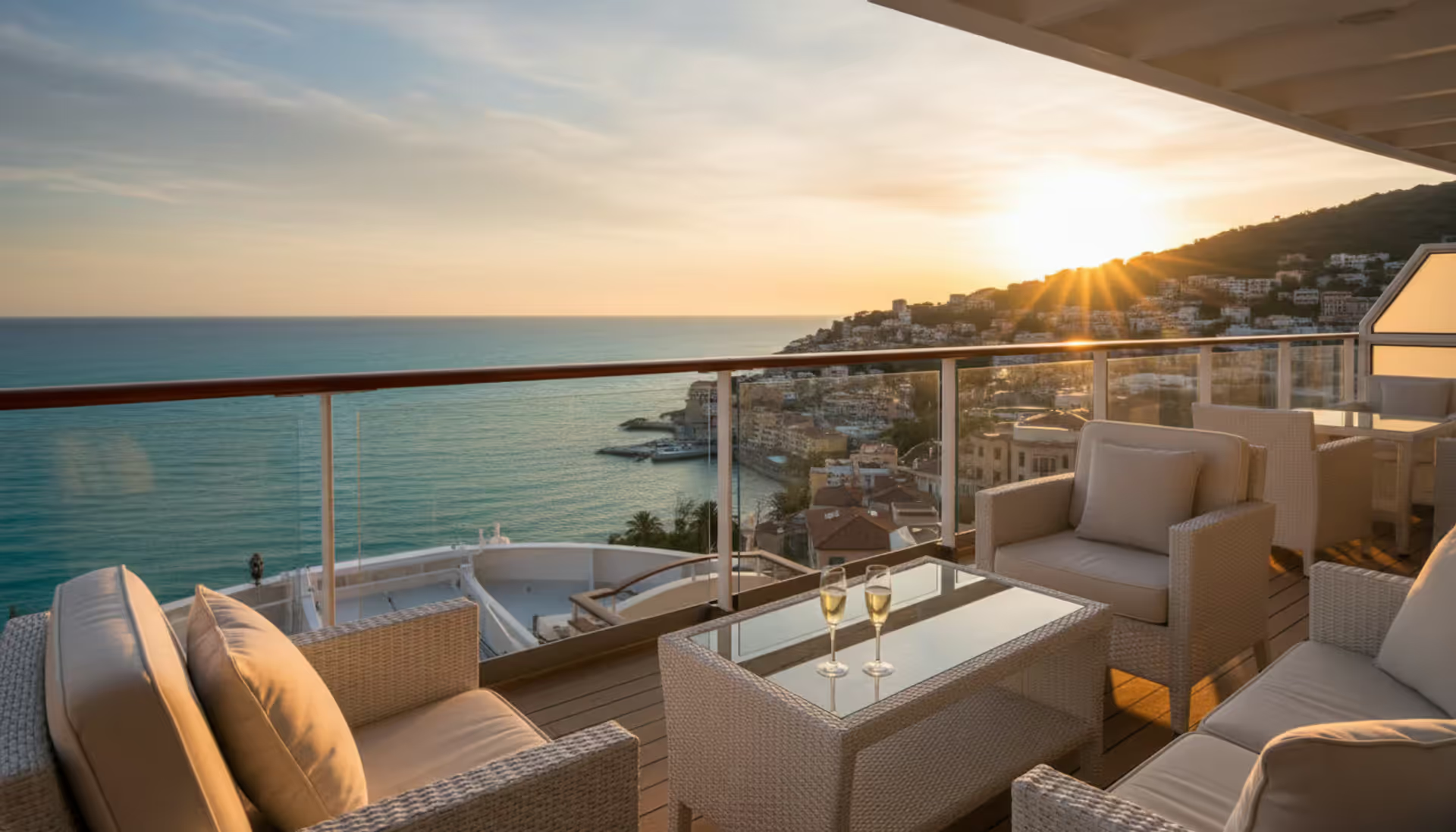
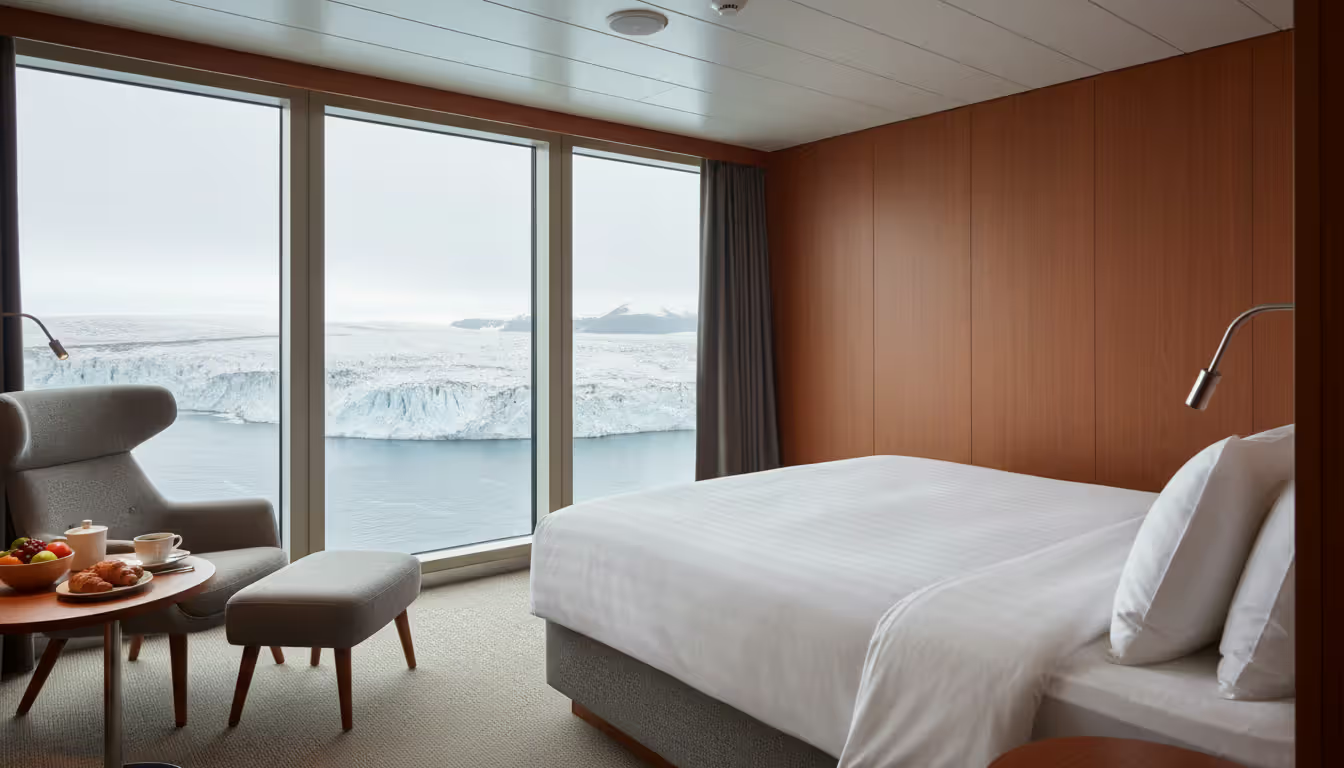
Suite layouts start where standard cabins stop. You're looking at 250+ square feet minimum, with floor-to-ceiling windows (sometimes private balconies), heated bathroom floors, and bedding you'd find in luxury hotels. Butler service appears on many ships. Your minibar gets restocked daily with premium items at no charge. Some mornings you might prefer watching glaciers calve from your window while enjoying in-suite breakfast rather than heading to the dining room.
The service itself reflects training from world-leading hospitality brands. Crew members will remember how you take your coffee by the second day. Ships provide—not rent—expedition parkas, waterproof boots, and high-quality binoculars. The truly all-inclusive operators bundle spa treatments, top-shelf liquor, and gratuities into the base price.
Author: Sophie Laurent;
Source: reykjaviksegwaytours.com
But the expedition staff roster makes the biggest impact. Premium operators recruit geologists who've published ice core research, ornithologists who've spent decades studying Arctic breeding patterns, historians specializing in polar exploration, and photographers whose work appears in National Geographic. They're not reading scripts—they're sharing their own field research. This expertise transforms "there's a walrus" into fascinating discussions about climate adaptation, feeding behaviors, and population dynamics.
Top Luxury Arctic Cruise Destinations
Svalbard and the High Arctic
Svalbard—the Norwegian island chain sitting 600 miles from the North Pole—anchors most high arctic cruise luxury itineraries. These islands claim more than 3,000 polar bears, actually outnumbering the human population. Summer departures (June through August) navigate along the pack ice edge where bears actively hunt seals, while also exploring massive bird colonies like Alkefjellet's 60,000 breeding pairs and historical whaling stations with surprisingly dark backstories.
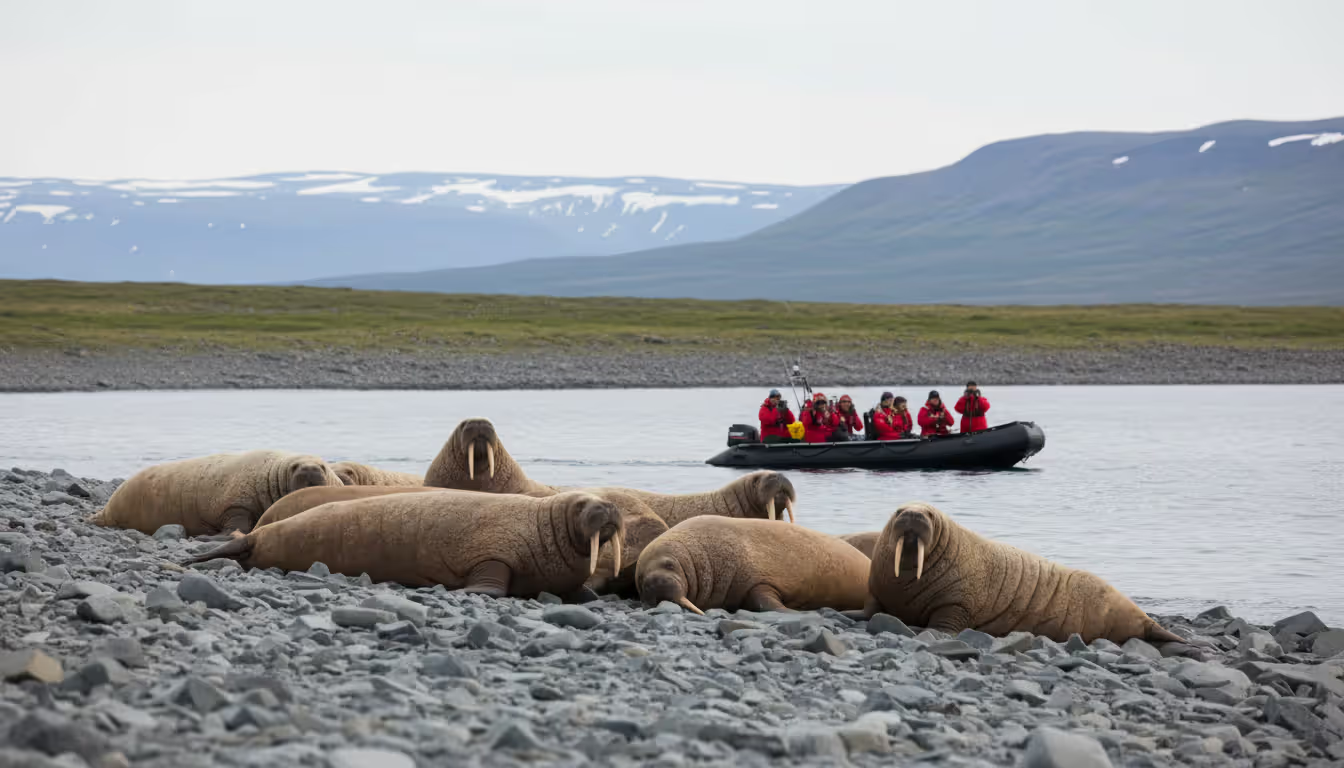
Your svalbard luxury cruise typically departs Longyearbyen, either circumnavigating Spitsbergen or pushing north toward the 80-82°N latitude range. Watch the landscape transform from fjords lined with tidewater glaciers to the stark polar desert at Nordaustlandet. Walrus haul-outs sometimes number in the hundreds. Arctic foxes patrol their dens. Svalbard reindeer graze on surprisingly lush tundra vegetation.
When you go matters more than you'd think. Early June delivers 24-hour daylight and nesting seabirds galore, but sea ice can block access to certain fjords. Late August brings autumn tundra colors and your first chance at northern lights, though some wildlife disperses after breeding season. July hits the sweet spot for accessibility combined with wildlife abundance, which explains why prices peak then.
Author: Sophie Laurent;
Source: reykjaviksegwaytours.com
Greenland and Northwest Passage
Greenland's east coast showcases some of Earth's most dramatic ice architecture. The Scoresby Sund fjord system alone spans 15,000 square miles—larger than Switzerland. Expeditions here focus on massive icebergs calved from the Greenland ice sheet (some the size of city blocks), Inuit settlements where traditional hunting practices continue, and ruins from Norse settlements abandoned 500 years ago.
Northwest Passage voyages represent the ultimate arctic wilderness cruise—retracing routes that killed explorers for centuries. These 17-24 day journeys connecting Greenland to Alaska (or reverse) visit remote Inuit communities accessible only by sea, Franklin Expedition archaeological sites, and wildlife-rich channels where narwhal and beluga congregate by the thousands. Only vessels with serious ice-strengthening attempt these crossings, and success isn't guaranteed even now—ice conditions can force route changes well into late summer.
The cultural dimension sets Greenland itineraries apart. Shore visits might include demonstrations of traditional kayak rolling techniques, drum dancing performances passed down through generations, and conversations with communities navigating rapid climate change. Premium operators arrange these interactions through local cultural liaisons, ensuring visits benefit community economies rather than just extracting photo opportunities.
North Pole Expeditions
Reaching 90°N remains the Arctic's ultimate achievement, possible only aboard nuclear-powered icebreakers that can crush through multi-year ice up to three meters thick. A north pole cruise expedition needs 12-14 days just for the round trip from Murmansk, Russia, traversing ice fields that would stop conventional ships dead.
The journey itself provides the experience. You'll watch a 75,000-horsepower vessel pulverize ice ridges, take helicopter flights over the polar ice cap, and eventually step onto the literal top of the world for champagne toasts (and polar plunge swims if you're brave enough). Don't expect much wildlife this far north; this voyage attracts travelers seeking geographic extremes and bragging rights.
Only a few operators run North Pole departures—primarily using Russia's nuclear icebreakers. All command serious money: $30,000-$50,000+ per person. July through August offers the most favorable ice conditions, though "favorable" at the North Pole is relative. Expect constant ice-breaking sounds and occasional route adjustments when ice proves thicker than anticipated.
A true luxury Arctic expedition isn't about gold-plated fixtures—it's about having a glaciologist explain ice core climate data while you're actually standing on a 10,000-year-old glacier, then returning to a ship where someone's prepared your favorite drink exactly how you like it. That combination of intellectual enrichment and personal care creates transformative experiences that stay with travelers for life
— Captain Henrik Wolff
What to Expect on a Luxury Polar Expedition
Daily schedules on an arctic expedition cruise follow weather and wildlife rather than rigid timetables. Breakfast might shift an hour earlier if whales appear, or an afternoon landing could extend indefinitely because polar bears are actively hunting nearby. This flexibility defines luxury—the ship adapts to maximize what nature offers rather than forcing experiences into predetermined slots.
Most days include two zodiac-based excursions, though "shore" might mean sea ice, a glacier face, or actual land. Expedition teams scout landing sites each morning, selecting locations based on current ice conditions, wildlife activity, and guest interests. Each zodiac carries 10-12 passengers with a qualified expedition guide, enabling close approaches to ice formations and wildlife while maintaining strict safety protocols.
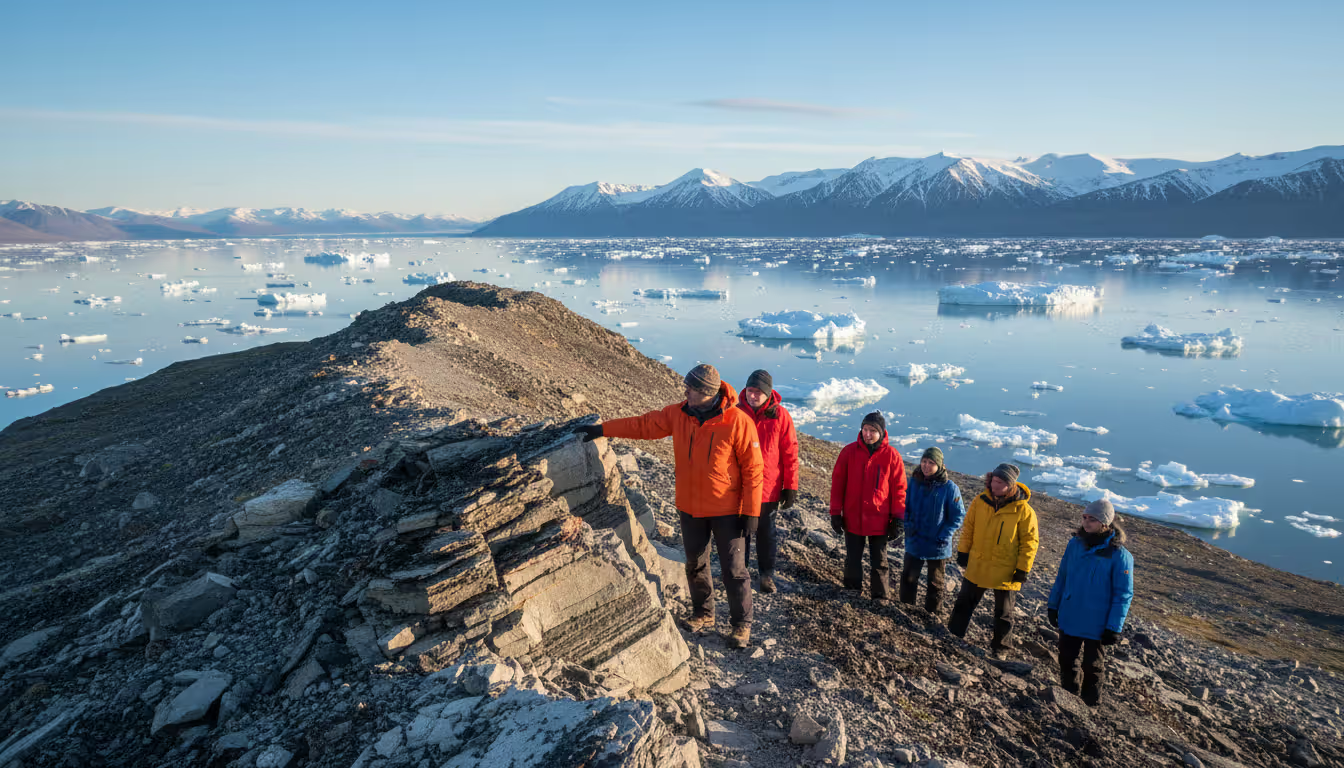
Landings typically run 1-3 hours depending on conditions and group interest. Some guests hike ridgelines with geologists examining exposed rock formations. Others photograph ice textures with the ship's resident photo instructor. Nobody pressures you to be constantly active—sitting quietly on a rock watching Arctic terns for an hour counts as time well spent. Premium operators understand that contemplative moments matter as much as adventurous ones.
Author: Sophie Laurent;
Source: reykjaviksegwaytours.com
Between excursions, onboard time features presentations from expedition staff. Topics range from polar navigation techniques to current climate research to indigenous Arctic cultures and polar exploration history. These aren't mandatory lectures—they're genuinely engaging sessions where you can pepper that glaciologist with questions about ice shelf collapse or ask the historian about what actually killed Franklin's crew. Most ship libraries stock relevant books, and several vessels offer citizen science programs where passengers contribute data to ongoing research projects.
Dining experiences consistently exceed what seems possible given the remote location. Executive chefs prepare multi-course meals featuring local ingredients when available—king crab from Norwegian waters, Arctic char, even foraged herbs. Dietary restrictions get accommodated without fuss or advance notice. Most luxury ships use open seating, encouraging conversations with fellow passengers and expedition staff who eat alongside guests rather than separately.
Equipment comes provided and maintained by the ship. You'll receive an expedition parka (yours to keep), waterproof boots (fitted during embarkation day), trekking poles as needed, and life jackets for zodiac operations. Some vessels add specialized gear: snowshoes for deeper snow, kayaks for qualified paddlers, even diving equipment if you're certified and willing to brave near-freezing waters.
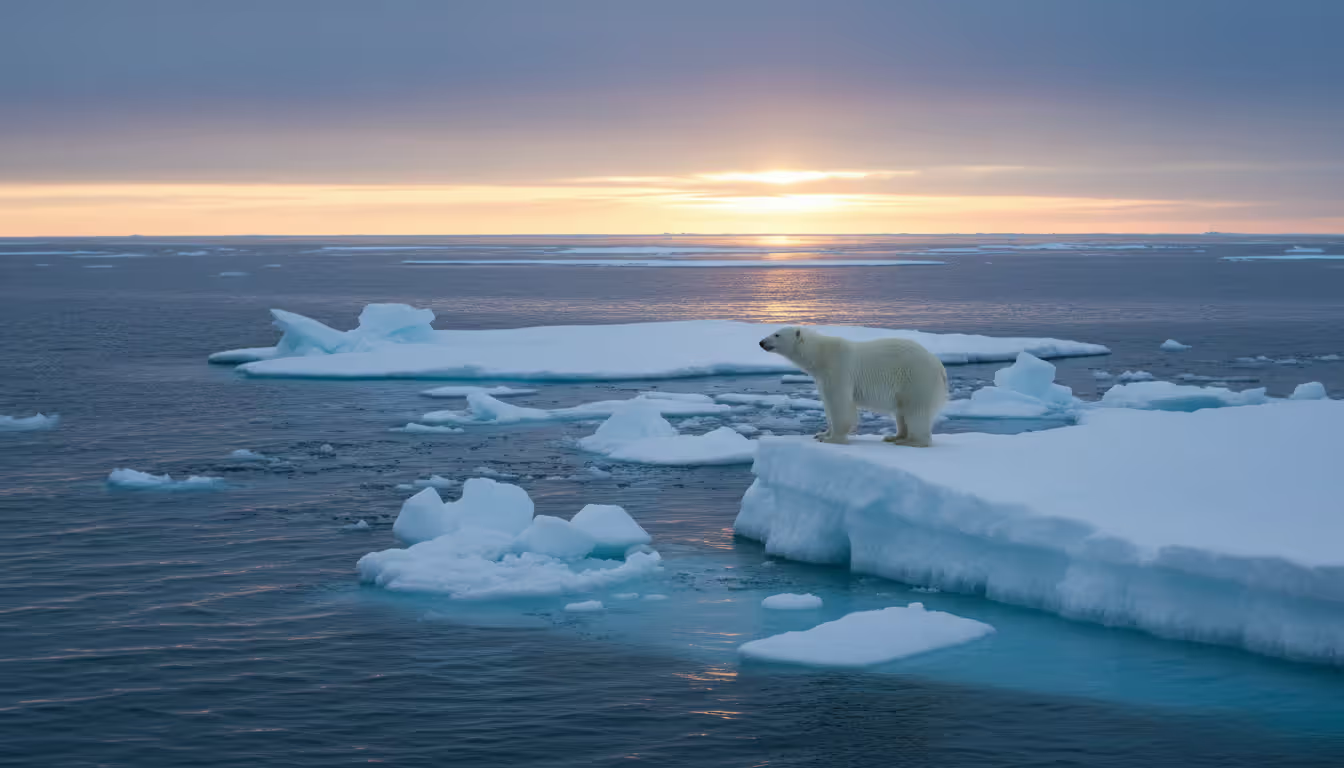
Wildlife encounters happen on nature's schedule. Polar bears, walrus, multiple whale species, Arctic foxes, and seabird colonies numbering in the thousands appear on most itineraries, but nothing's guaranteed. Premium operators employ experienced spotters who scan constantly and adjust routes to maximize sightings without harassing animals. The best operators maintain strict distance protocols—relying on telephoto lenses rather than approaching too closely.
Bring serious camera equipment if photography matters to you. Animals rarely cooperate by posing nearby. A 400mm or longer lens makes the difference between mediocre snapshots and portfolio-worthy images.
Choosing the Right Arctic Luxury Cruise Ship
Your ship selection dramatically affects the entire experience. Size, ice capability, equipment options, and sustainability practices vary wildly even among luxury operators.
Vessel size creates real trade-offs. Ultra-luxury ships carrying 100-150 passengers provide more personal space, finer dining options, and typically more expedition equipment. Smaller vessels (50-100 passengers) squeeze into tighter fjords and create more intimate group dynamics where you'll know everyone's name by day three. Ships exceeding 200 passengers face logistical headaches getting everyone ashore efficiently in Arctic conditions, even when marketed as luxury.
Ice class ratings determine operational capabilities. Vessels rated Ice Class 1A and 1A Super handle first-year ice and navigate Svalbard and Greenland waters reliably throughout the season. PC6 (Polar Class 6) and higher ratings enable Northwest Passage attempts and deeper pack ice penetration. North Pole voyages require nuclear icebreakers in a completely different league.
Cabin categories span surprising ranges even on luxury vessels. Entry-level suites (250-300 sq ft) feature windows or compact balconies plus premium amenities. Mid-tier options (350-450 sq ft) add separate sitting areas and larger bathrooms. Top suites (500-1000+ sq ft) deliver wraparound balconies, dedicated butler service, and separate bedrooms—though you'll barely use your cabin during Arctic summer's endless daylight.
Expedition equipment separates serious polar operators from luxury cruise lines dabbling in Arctic waters. Look for fleets of 15+ zodiacs enabling efficient landings, kayaks for paddling excursions, and potentially helicopters providing aerial perspectives. A few ultra-luxury vessels carry actual submarines for under-ice exploration—rare experiences that command significant premiums.
Onboard experts should include genuine specialists, not generic naturalists reading from guides. Review staff rosters for PhDs, published researchers, and multi-decade polar experience. The best ships carry 8-12 expedition staff spanning multiple disciplines, guaranteeing expert-led excursions regardless of how groups split up.
Sustainability practices matter increasingly as Arctic tourism expands. Responsible operators use low-sulfur fuel, employ advanced wastewater treatment systems, and follow strict waste management protocols. Some vessels use dynamic positioning to avoid dropping anchors on sensitive seabeds. Ask about AECO (Association of Arctic Expedition Cruise Operators) membership and request specifics on environmental policies beyond marketing language.
| Ship Type | Guests Aboard | Ice Rating | Suite Size (entry) | Staff Ratio | Heli/Sub Options | Cost Per Person |
| Ultra-Premium | 100-150 | 1A Super to PC6 | 300-400 sq ft | 1:1 or better | Usually available | $15,000-$35,000+ |
| Premium | 150-200 | 1A to 1A Super | 250-350 sq ft | 1:1.5 | Sometimes | $10,000-$20,000 |
| Expedition | 200-300 | 1C to 1A | 180-250 sq ft | 1:2 | Not typically | $7,000-$12,000 |
Cost Factors for Arctic Expedition Cruises
Arctic cruise pricing reflects real operational expenses in remote, challenging environments where everything costs more. Understanding these cost drivers helps set realistic budgets and spot genuine value.
A 10-12 day Svalbard expedition on a premium vessel starts around $12,000-$15,000 per person for entry-level suites. Greenland and longer itineraries begin closer to $15,000-$20,000. Northwest Passage crossings command $20,000-$35,000 given their 17-24 day duration and ice uncertainty. North Pole expeditions start at $30,000, with top suites exceeding $50,000.
Inclusions vary by operator but typically cover accommodations, all meals and beverages (including premium alcohol on genuinely luxury ships), expedition activities, gear provision, and gratuities. Flights to embarkation ports usually aren't included. Pre- and post-cruise hotels, travel insurance, and optional activities like kayaking or camping might cost extra. Always clarify exactly what's bundled versus additional before booking.
Cabin tier pricing creates massive spreads on identical voyages. Entry suites might list at $14,000 while owner's suites hit $40,000+. The ship, itinerary, and expedition team remain exactly the same—you're paying for square footage and upscale amenities. Consider whether those extras matter when you'll spend most waking hours exploring or in public spaces.
Trip length directly affects total cost, but per-day rates often drop on longer voyages. A 10-day Svalbard cruise might average $1,300 daily while an 18-day Northwest Passage expedition averages $1,100 daily. Longer voyages also reduce the per-trip impact of expensive flights to Arctic embarkation cities.
Seasonal pricing reflects demand patterns more than experience quality. July commands premiums because of school vacation timing and statistically optimal weather, while June and August departures might discount 10-15%. Early booking discounts (12-18 months advance) can reach 15-20%. Last-minute deals occasionally surface if cabins remain unsold 90 days out—though luxury Arctic cruises rarely have empty berths.
Solo travelers face single supplements typically adding 50-100% to double occupancy rates. Some operators offer dedicated single cabins at reduced premiums. Occasionally specific departures waive single supplements entirely to fill particular cabin categories.
Planning Your Arctic Wilderness Voyage
Successful arctic luxury travel demands more advance work than typical vacations. Start with season selection, because timing affects everything from wildlife to accessibility.
The Arctic cruise season spans May through September. Each month delivers distinct experiences worth considering.
May and early June bring continuous daylight, dramatic ice formations, and nesting seabirds, but expect colder temperatures (often below freezing) and more sea ice that might limit access to certain landing sites. Late June through July offers warmest conditions (40-50°F), peak wildlife activity including polar bear cubs, and maximum site accessibility. August brings autumn tundra colors, your first northern lights possibilities, and whale migrations, though some bird colonies have dispersed post-breeding.
Physical requirements remain modest for most luxury Arctic cruises. You should manage zodiac boarding (stepping from a ship platform into inflatable boats that might be moving slightly), walking on uneven tundra or rocky beaches, and potentially several hours outdoors in cold, windy conditions. Expedition staff assist with zodiac transfers, and shore excursions typically offer multiple difficulty options from easy walks to challenging hikes. Disclose serious medical conditions during booking—ships carry medical facilities and doctors, but you're days from advanced hospital care.
Pack using layering systems rather than bulky jackets. Base layers (merino wool or quality synthetics), fleece mid-layers, waterproof outer layers, warm hat, gloves, and sunglasses handle most situations. Ships provide expedition parkas, but bring your own waterproof pants if you plan extensive photography from zodiacs or wet landings.
Invest in decent camera equipment if photography matters. Wildlife appears suddenly and often at distance. A telephoto lens (400mm+) separates memorable images from disappointing snapshots.
Pre- and post-cruise extensions enhance the overall journey and provide buffers against flight delays (which happen frequently in Arctic gateway cities). Longyearbarn offers coal mining history museums and summer husky cart tours. Reykjavik gives you Blue Lagoon access and Golden Circle day trips. Oslo or Copenhagen enable cultural experiences before or after your expedition. Budget 2-3 days on each end.
Book earlier than you would for typical travel. Popular departures sell out 12-18 months in advance, particularly July voyages and unique itineraries like North Pole expeditions. Early booking also secures better cabin selection and early-bird discounts of 15-20%. That said, repositioning cruises and new ship inaugural seasons sometimes show good availability 6-9 months out.
Purchase specialized expedition cruise insurance—standard policies won't cover adventure activities or remote evacuations. You need coverage for medical evacuation (potentially $100,000+ from Arctic regions), trip cancellation for any reason, and adventure activities. Policies typically cost 5-7% of trip price but provide essential protection given the distances and conditions involved.
Author: Sophie Laurent;
Source: reykjaviksegwaytours.com
FAQ
Luxury Arctic cruises deliver experiences standard travel can't replicate—standing on ice thousands of years old, watching polar bears hunt across sea ice, exploring landscapes fundamentally unchanged by human presence. The financial investment runs high, but so does the return: memories and perspectives that permanently shift how you view our planet.
Success in Arctic luxury voyages comes from matching ship, itinerary, and timing to your specific interests. Wildlife enthusiasts lean toward Svalbard in July. Adventure seekers might prefer Northwest Passage crossings. Bucket-list travelers gravitate toward North Pole expeditions. Research operators thoroughly, understand exactly what's included in pricing, and book early securing preferred cabins and departures.
The Arctic is transforming rapidly. Glaciers that existed for millennia are retreating measurably year by year. Sea ice patterns shift. Wildlife adapts to warming temperatures in real-time. Experiencing these regions now, while they retain wild character, carries both privilege and responsibility. Select operators committed to sustainable practices, respect wildlife protocols rigorously, and return home advocating for polar conservation.
Your Arctic expedition will likely rank among life's most profound travel experiences—not despite the cold, remoteness, and unpredictability, but because of them. That's the essence of luxury polar expedition travel: accessing Earth's most extreme environments while maintaining comfort and service that lets you fully absorb their magnificence.