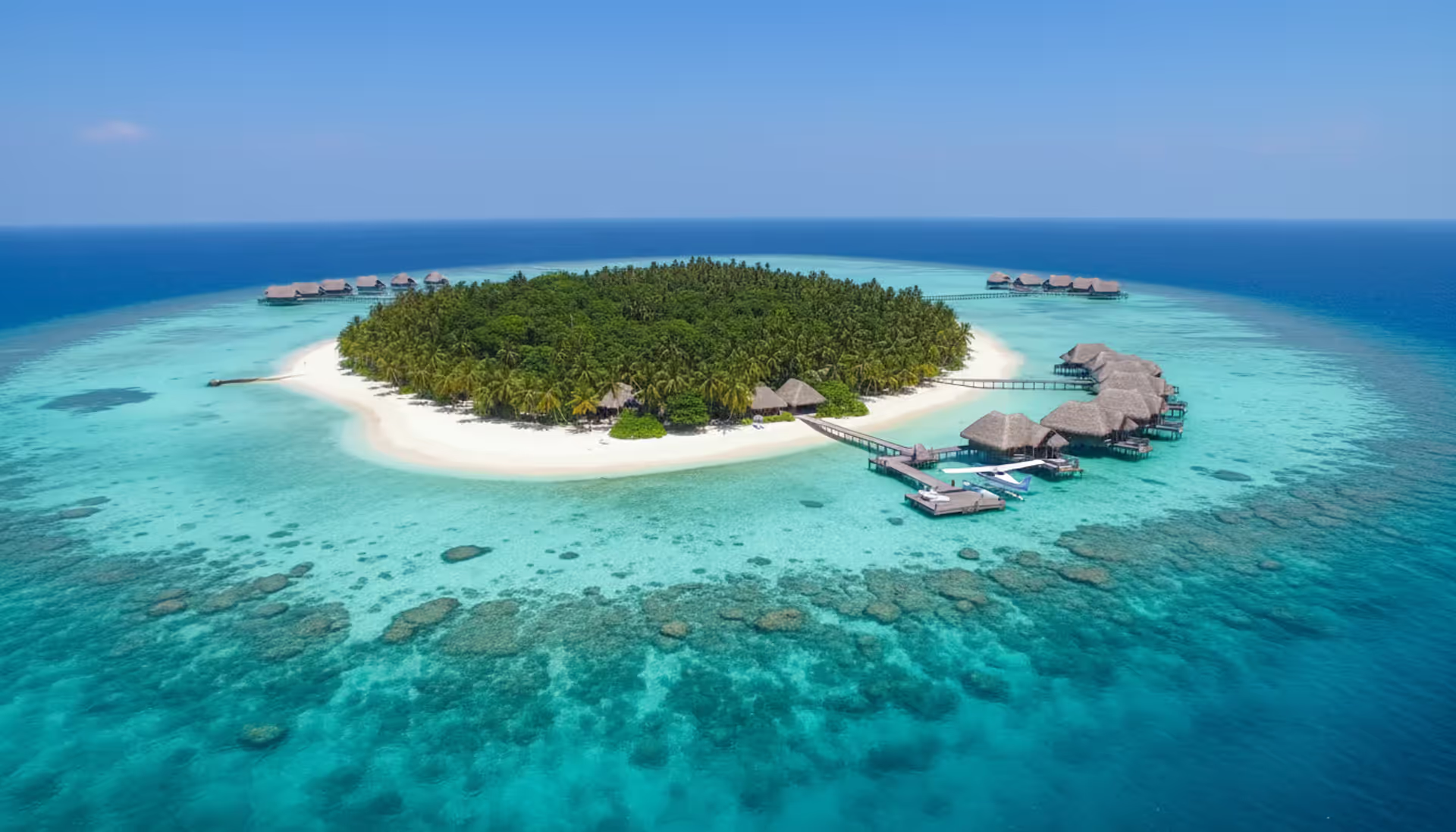
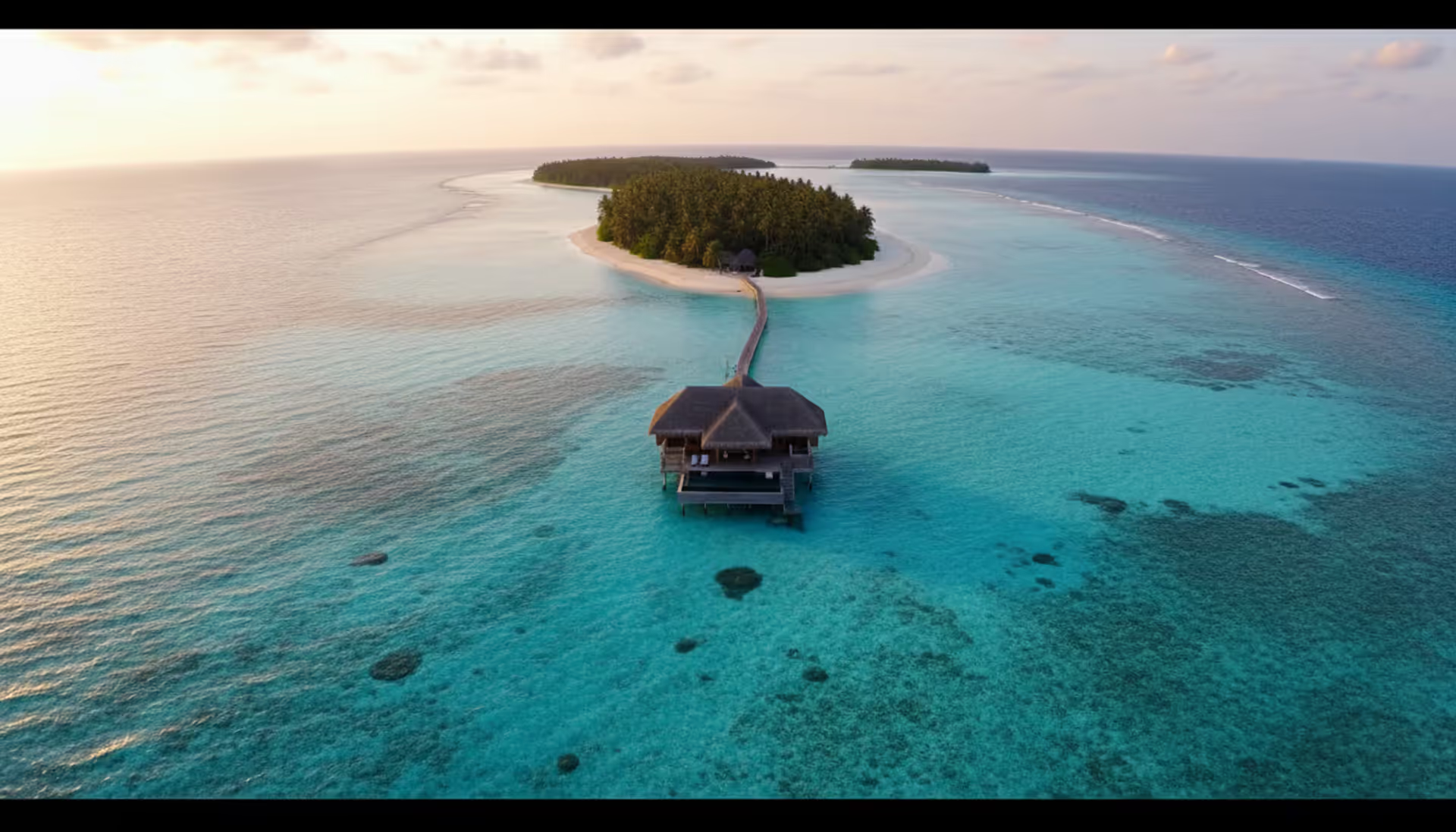
Aerial view of a single overwater bungalow in the turquoise Maldives ocean near a tropical palm island at golden sunset
Luxury Travel Bucket List Experiences Worth Saving For

Content
I'll be honest—most "luxury" vacations aren't worth putting on a bucket list. You know the ones: overpriced resort chains where the only thing distinguishing Cabo from Cancun is the airport code.
Real bucket list travel? That's different.
We're talking about trips that stick with you years later. The kind where you're paying for access, not just amenities. Where "luxury" means a camp guide who can identify bird calls in the dark, not just high thread-count sheets (though you'll get those too).
Here's what's changed: Travelers with serious money now want experiences that challenge them. They'll happily swap the Four Seasons lobby for a tent in Botswana if it means watching a leopard hunt at dawn. They want cultural depth, not just cultural "experiences" manufactured for tourists.
And despite what Instagram influencers suggest, you don't need a trust fund. Strategic planning beats unlimited budgets every time.
What Makes a Trip Worthy of Your Luxury Travel Bucket List
Plenty of expensive trips aren't worth the cost. I've seen people drop $15,000 on a week that could've been replicated for $4,000. So what separates genuine luxury travel goals from expensive mediocrity?
Limited access changes everything. Rwanda issues exactly 96 gorilla trekking permits daily across all groups. That's it. No amount of money gets you in without one. Meanwhile, Musha Cay in the Bahamas accommodates just 24 guests—when someone books the entire island, everyone else waits. This scarcity creates genuine value that can't be manufactured.
The transformation factor matters more than comfort. Sure, you want a great bed after hiking all day. But the best luxury travel experiences shift something fundamental in how you see the world. Spending time with Bhutanese monks discussing happiness indices beats any spa treatment. Watching your first Antarctic iceberg calve—hearing the crack, feeling the displacement wave—stays with you differently than another sunset cocktail.
Invisible service defines true luxury. At Singita safari camps, staff remember your coffee preference from breakfast. They've restocked your sunscreen before you realize it's empty. Problems vanish before you notice them. This requires staff-to-guest ratios of 3:1 or 4:1, which explains the cost but also the difference between good service and extraordinary luxury travel.
Replicability (or lack thereof) determines bucket list status. Anyone can book a luxury hotel. Vastly fewer people can arrange private viewings at the Vatican Museums after closing, access Antarctic bases hosting scientific research, or stay in Scottish castles where the actual noble family joins you for dinner. These unique luxury experiences require connections, advance planning (sometimes years), and patience most people won't invest.
Private Islands and Overwater Sanctuaries
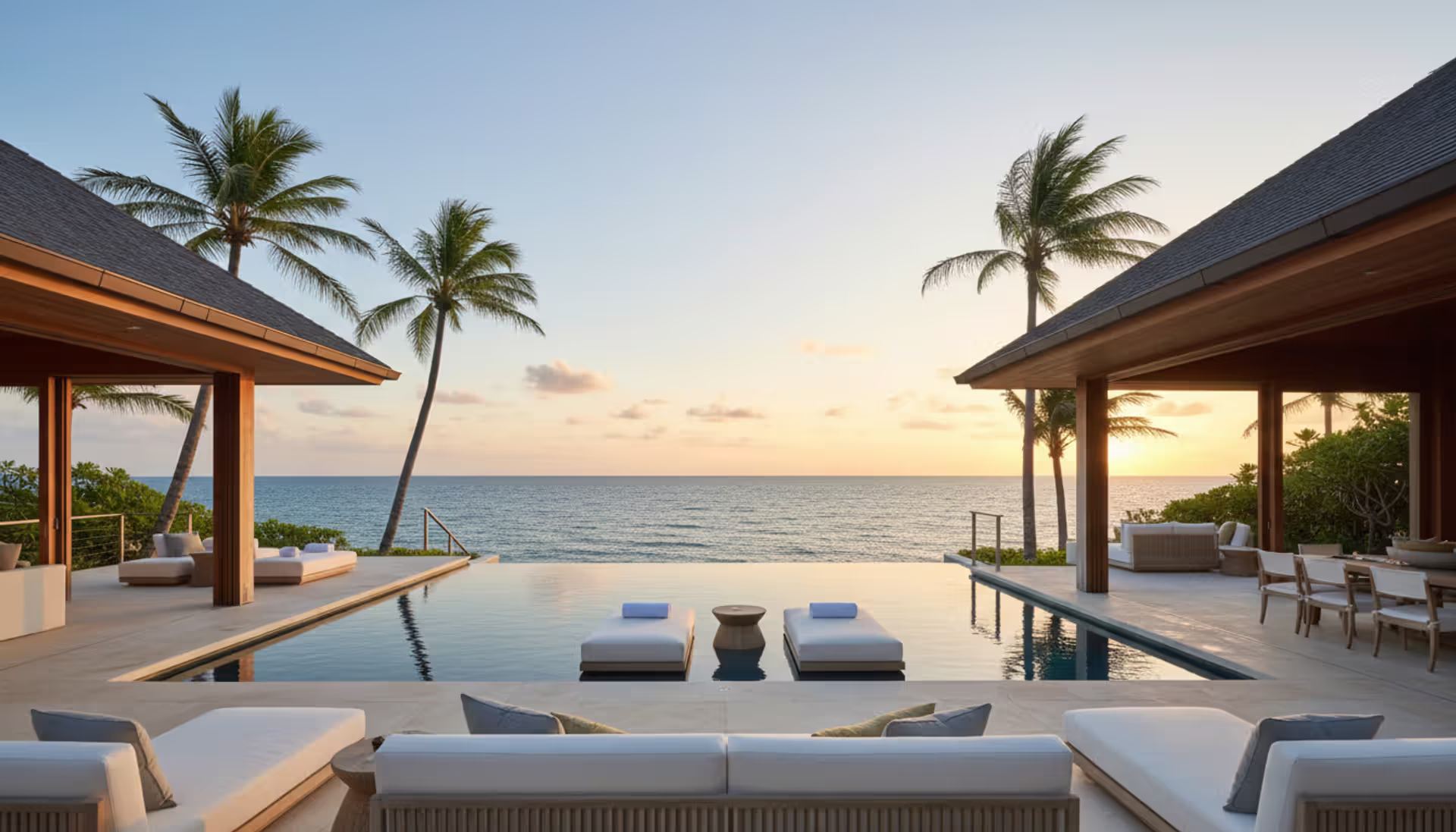
Private islands and overwater villas deliver something most luxury can't: guaranteed isolation. No fighting for beach chairs. No stranger photobombing your dinner.
Maldives Private Villa Experiences
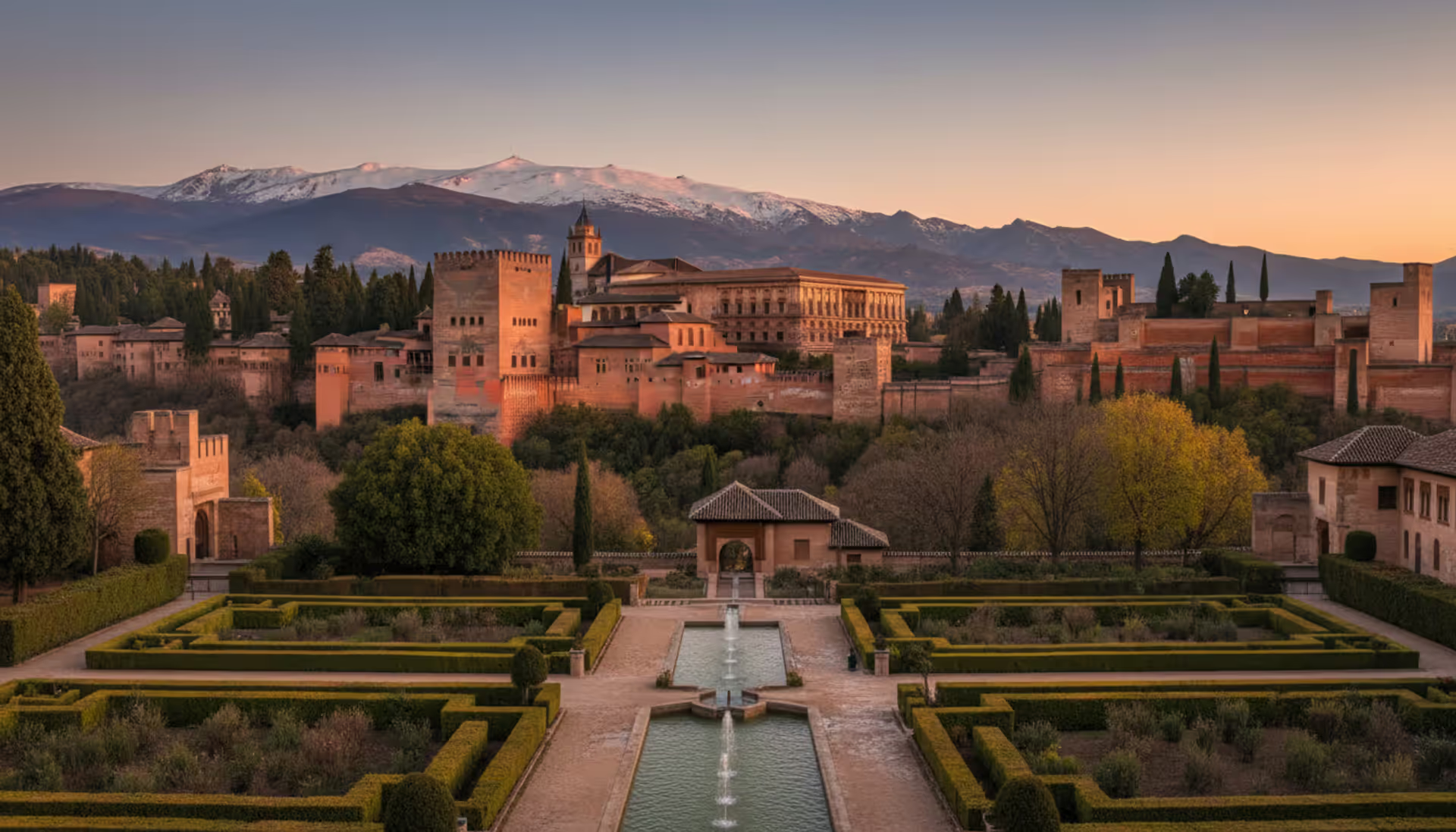
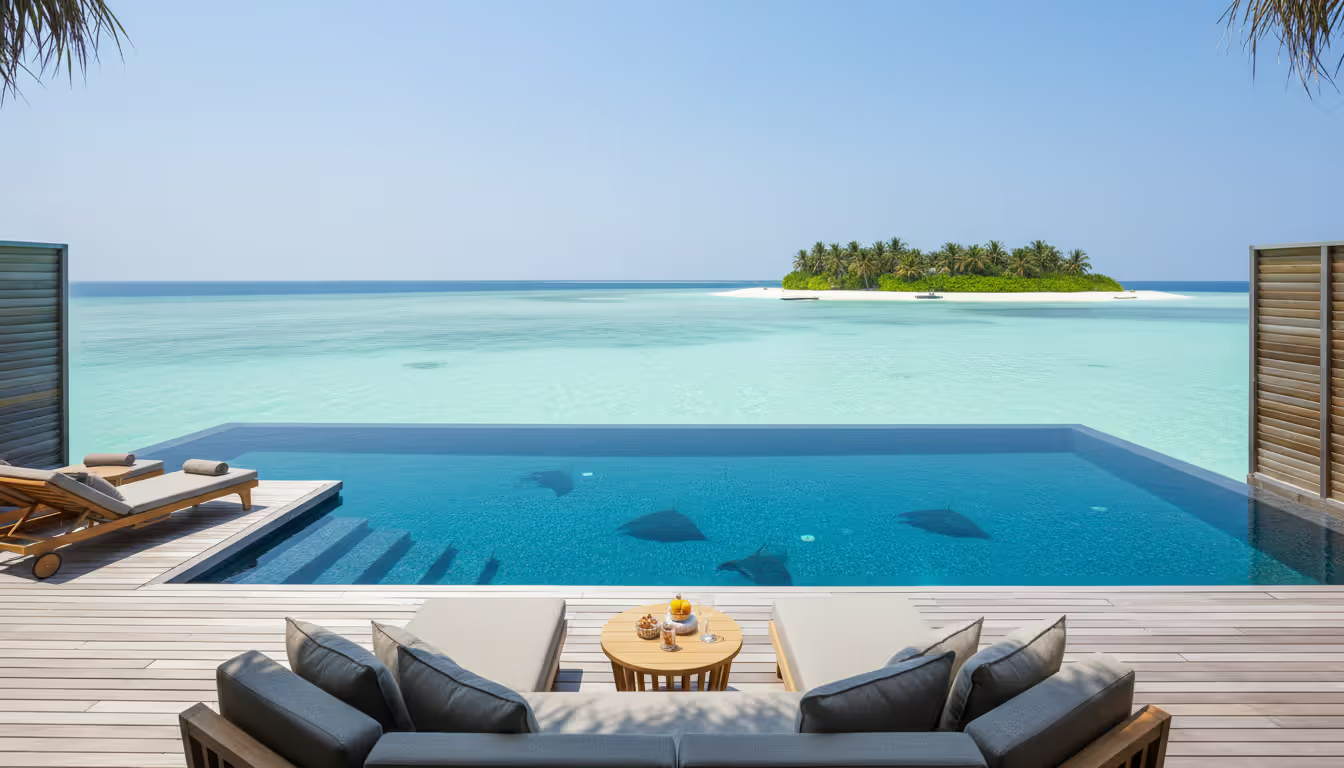
The Maldives invented overwater luxury, then kept perfecting it. Now you'll find villas with pools that infinity-edge into the ocean, slides launching you directly into the reef, and roofs that retract so you can fall asleep counting stars.
Soneva Jani takes it further—each villa comes with a "barefoot butler" (yes, really) who arranges everything from champagne delivery by zipline to midnight snorkeling sessions. At Velaa Private Island, the marine biologist on staff can explain why your villa's underwater lights attract certain fish species at specific tide cycles.
The marine environment justifies the cost for many visitors. You're positioned above some of Earth's healthiest reefs. Manta rays cruise past during breakfast. Nurse sharks patrol beneath your deck. Several resorts now offer underwater dining pods where you're surrounded by the reef while eating Michelin-quality meals.
Reality check: Getting there from the US takes 20+ hours minimum with connections through the Middle East or Asia. Then add seaplane or speedboat transfers ($500-1,500 per person) to reach your resort. Factor this into both budget and jet lag recovery time.
Author: Olivia Kensing;
Source: reykjaviksegwaytours.com
Bora Bora and French Polynesia Resorts
French Polynesia offers West Coast travelers a much shorter journey—about eight hours from Los Angeles—with equally stunning overwater accommodations. The difference? Mount Otemanu rising dramatically from Bora Bora's lagoon creates scenery the flat Maldivian atolls can't match.
The Four Seasons and St. Regis properties here pioneered glass floor panels in bungalows. You'll watch eagle rays glide past while brushing your teeth. Most include lagoon-access staircases and private plunge pools with volcano views.
Smart travelers look beyond Bora Bora to top luxury travel destinations like Taha'a (vanilla plantations and pearl farms), Moorea (dramatic peaks and quieter resorts), or the remote Marquesas (Polynesian culture with minimal tourist infrastructure). The Brando on Tetiaroa—yes, Marlon Brando's private atoll—represents sustainable luxury at its finest. Renewable energy powers everything, and the on-site research station studies coral regeneration techniques while you're snorkeling the reef.
Caribbean Private Island Rentals
Why rent a villa when you can rent an entire island? The Caribbean specializes in this particular luxury trip idea, offering complete islands for group bookings.
Musha Cay (David Copperfield's Bahamian hideaway), Necker Island (Richard Branson's British Virgin Islands retreat), and Calivigny Island in Grenada all rent exclusively. You'll have the entire staff, every beach, and all facilities without sharing with strangers.
This works brilliantly for milestone celebrations—think 50th birthdays, anniversaries, or family reunions. The per-person cost drops dramatically when split among 20-30 guests, often landing between $3,000-8,000 per person for a week. You're essentially getting private island exclusivity for luxury resort pricing.
The catch: Most require week-long minimums and booking 12-18 months ahead for winter season. You'll also coordinate group travel logistics, collect deposits from everyone six months out, and hope nobody cancels last-minute (which is why you buy that group travel insurance).
Safari and Wildlife Encounters in Ultimate Comfort
African safaris dominate luxury bucket list trips for good reason: nowhere else on Earth offers this combination of wildlife density and accommodation quality.
Botswana's Okavango Delta sets the standard. Properties like Mombo Camp and Duba Plains limit guests to 12-18 at a time. You'll never queue for game drives or share animal sightings with crowds. These mobile camps relocate seasonally, following wildlife migrations and setting up in areas where permanent structures aren't permitted.
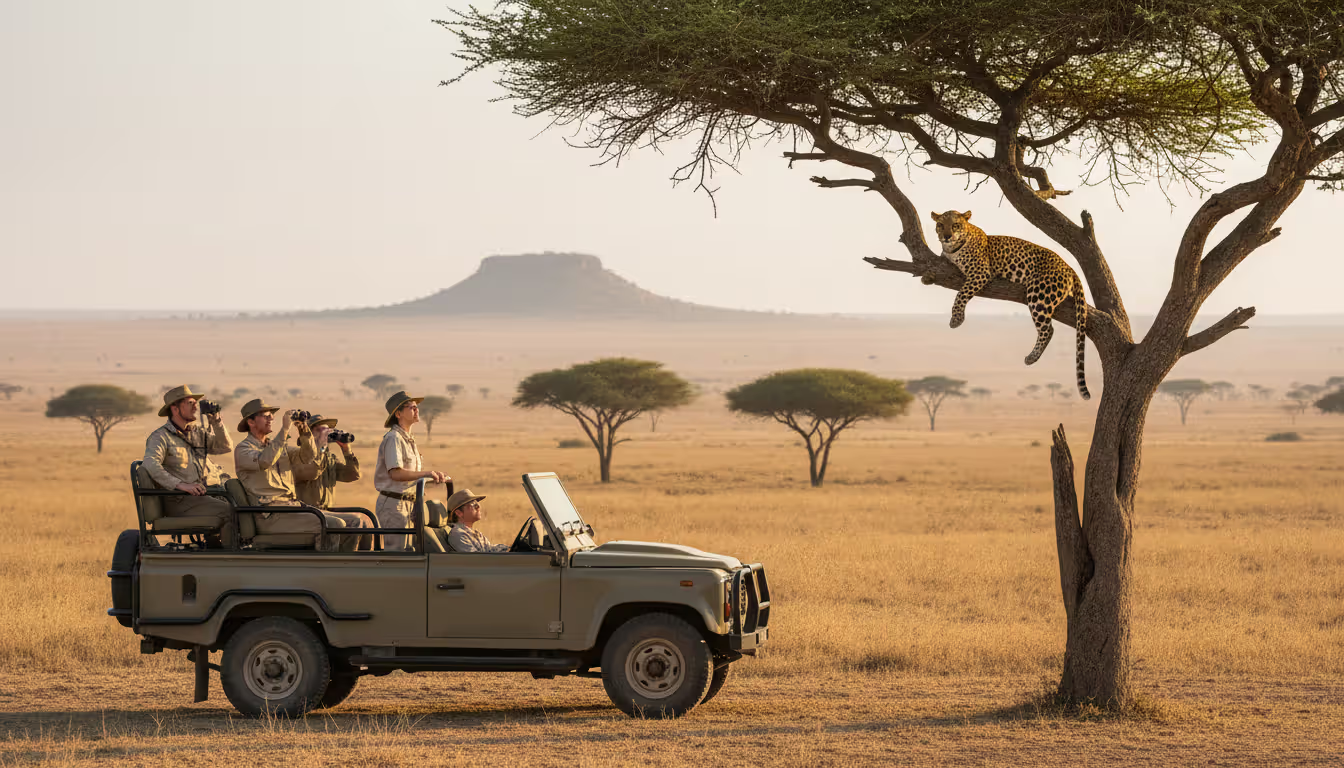
What you get: private plunge pools overlooking floodplains, chefs trained at European culinary schools, and guides who've tracked leopards for 20+ years. The real difference shows in wildlife access. Private concessions allow off-road driving to follow animals. Watching a leopard in a tree with her cubs for an hour, no other vehicles in sight—that's once in a lifetime luxury travel that justifies the $15,000-20,000 cost.
Rwanda and Uganda deliver mountain gorilla trekking that changes most people fundamentally. Permits run $1,500 in Rwanda ($800 in Uganda), allowing exactly one hour with a habituated gorilla family. You'll hike through bamboo forests—sometimes 30 minutes, sometimes six grueling hours depending on where the gorillas are—then sit meters from a silverback watching infants play.
The emotional impact surprises everyone. These aren't zoo animals. They're wild creatures tolerating your presence, making eye contact, occasionally reaching out to touch curious humans. That connection to conservation becomes visceral in ways documentaries never achieve.
Pair this with Bisate Lodge or Sanctuary Gorilla Forest Camp, where luxury accommodations help offset the physical demands. Many people underestimate the altitude (you're at 7,000-8,000 feet) and terrain difficulty. Being fit helps enormously.
South Africa's Sabi Sands adjacent to Kruger offers easier logistics for Americans (direct Johannesburg flights) and strong value compared to Botswana. Singita and Londolozi pioneered luxury safari camps here, adding wine cellars, spas, and wildlife research programs to excellent game viewing. The Big Five appear reliably, making this ideal for first-timers who want guaranteed sightings of Africa's iconic animals.
Author: Olivia Kensing;
Source: reykjaviksegwaytours.com
Cultural Immersion Trips With Five-Star Service
The most memorable luxury milestone travel experiences often involve cultural depth, not just comfortable beds.
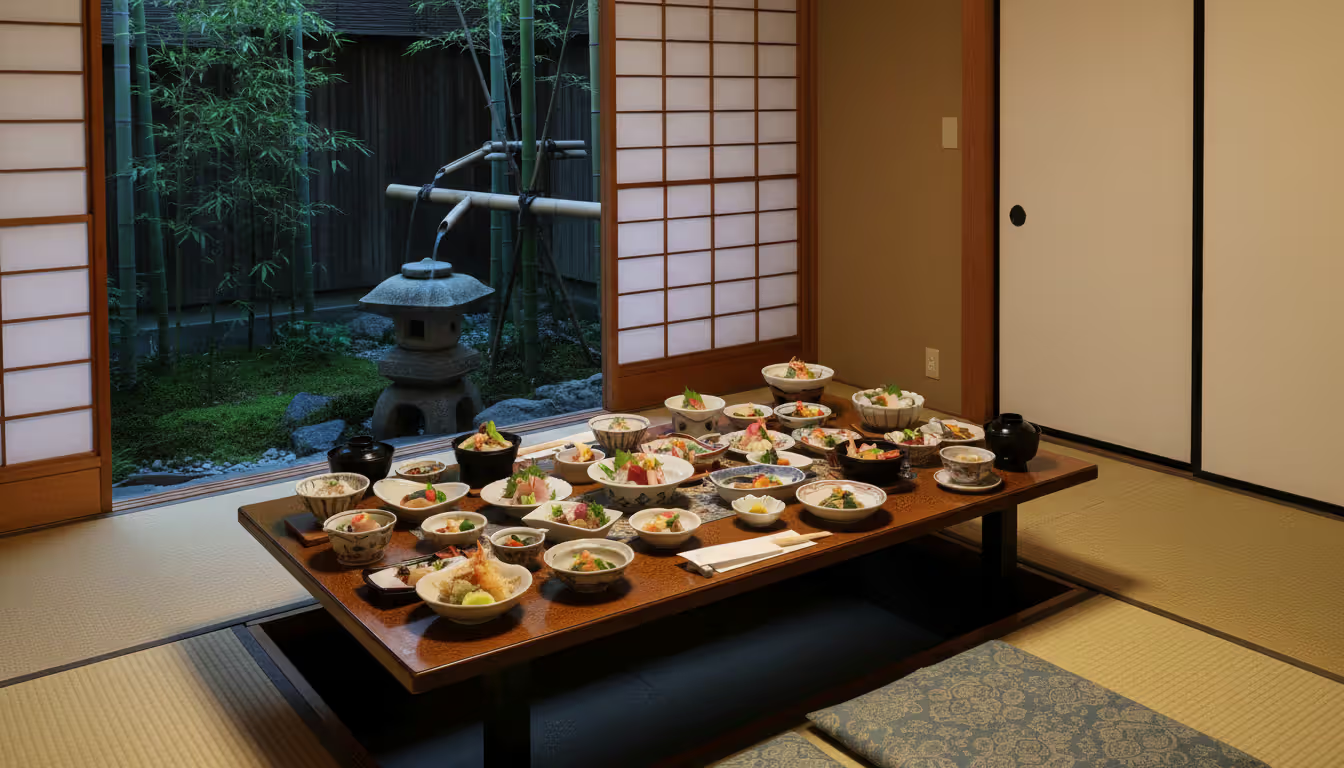
Japan's ryokan tradition perfects this balance. These traditional inns—some operating for 300+ years—serve kaiseki cuisine (think 10+ seasonal courses presented as edible art), provide onsen hot spring bathing, and deliver hospitality refined across generations. Gora Kadan near Hakone or Hoshinoya Tokyo blend centuries-old aesthetics with modern luxury: heated toilet seats and espresso machines alongside tatami mats and futon bedding.
The cultural learning curve enhances rather than detracts. You'll master yukata robes, onsen bathing etiquette (yes, you're nude), and the art of recognizing seasonal references in your meals. English fluency varies by property, so patience and openness matter. The disconnect from Western norms creates the transformational aspect many travelers seek.
Bhutan's government-mandated tourism model delivers inherent exclusivity. All visitors pay a Sustainable Development Fee around $100 per night, funding education and healthcare nationwide. This keeps tourist numbers manageable and ensures tourism benefits the entire population, not just hotel owners.
Luxury Bhutan operators like Amankora or Six Senses combine cultural authenticity with world-class service. You'll visit dzongs (fortress-monasteries inaccessible to casual tourists), hike to Tiger's Nest monastery (3,000 feet of elevation gain), and participate in traditional archery or hot stone baths with locals. These unique luxury experiences focus on meaningful cultural exchange rather than ostentatious displays of wealth.
Peru's luxury train to Machu Picchu—the Belmond Hiram Bingham—elevates the journey itself into a destination. The 1920s Pullman carriages feature live Peruvian music, four-course meals using Andean ingredients, and observation cars where the Sacred Valley unfolds as you climb toward 8,000 feet. This beats the standard tourist train significantly and includes priority Machu Picchu access before crowds arrive.
Combine this with Explora Valle Sagrado or Inkaterra Hacienda Urubamba, which offer guided hikes to Inca sites tourists never visit, weaving demonstrations with local artisans who teach traditional techniques, and farm-to-table dining featuring ingredients you've never heard of.
European castle stays transport you across centuries. Ashford Castle in Ireland, Château de Bagnols in France, or Schloss Roxburghe in Scotland offer falconry lessons, clay pigeon shooting, and formal dinners in medieval great halls where nobility actually dined. Properties like Amberley Castle in England host just a handful of rooms, ensuring the exclusivity modern travelers crave.
The best castles balance historical authenticity with modern comfort. You want stone fireplaces and four-poster beds, absolutely. But also reliable heating and water pressure that doesn't require servants hauling buckets.
Author: Olivia Kensing;
Source: reykjaviksegwaytours.com
Adventure Travel Elevated to Luxury Status
The old assumption that adventure means discomfort no longer applies. Today's best luxury travel experiences combine genuine challenge with exceptional service.
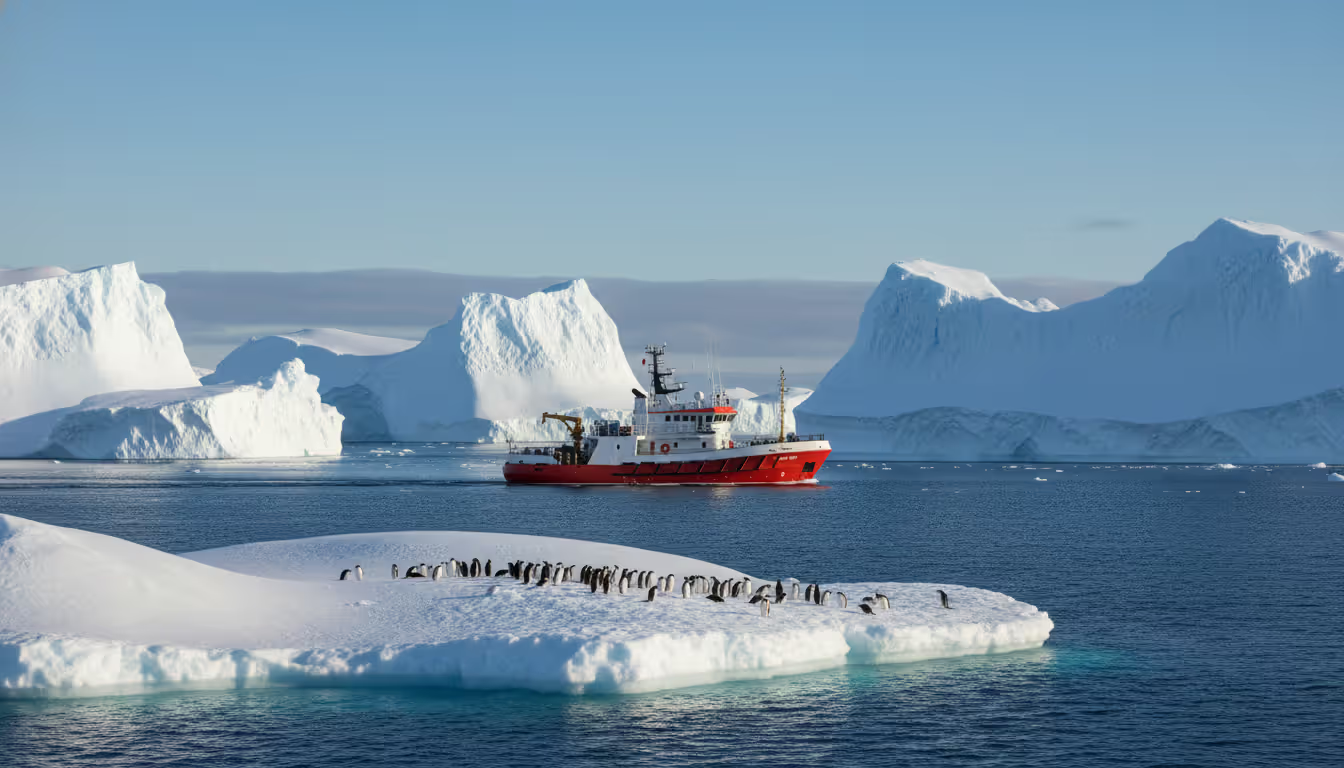
Antarctica expeditions represent extraordinary luxury travel at its purest. Ships like Silversea's Silver Endeavour or Seabourn Venture carry just 200 passengers versus 500+ on standard expedition vessels. Ice-strengthened hulls access areas larger ships can't reach. You'll kayak among icebergs, camp overnight on the continent (yes, really), and visit penguin colonies accessible only by Zodiac landing craft.
The luxury distinction: suites with balconies overlooking Drake Passage, expedition teams including PhD scientists who lecture on ice dynamics and penguin behavior, and dining that rivals top urban restaurants. Select ships offer helicopters for aerial sightseeing and deeper continental penetration.
Budget $15,000-40,000 per person for 10-14 days. Book 12-18 months ahead for preferred cabins and itineraries. Antarctica's season runs November through March (Southern Hemisphere summer), with December and January offering 20+ hour daylight and peak wildlife activity.
Patagonia's luxury lodges bring five-star service to Earth's edge. Explora Patagonia and Awasi Patagonia operate all-inclusive with private guides, gourmet meals, and excursions customized to your fitness and interests. Ice-hike Grey Glacier in the morning, then soak in outdoor hot tubs overlooking Torres del Paine's granite spires that evening.
Fair warning: Patagonia's weather laughs at forecasts. You might experience sunshine, rain, wind, and snow in six hours. Proper packing (quality layers, broken-in boots, serious rain gear) separates miserable from magical.
Heli-skiing in Canada's Bugaboos or Switzerland's Zermatt region provides untracked powder accessible only by helicopter. CMH (Canadian Mountain Holidays) pioneered this luxury bucket list trip, offering week-long packages where you'll ski 30,000+ vertical feet of pristine terrain with guides ensuring both safety and the best snow conditions.
This demands strong advanced skiing ability and reasonable fitness. You're hiking in ski boots, dealing with altitude, and skiing terrain without grooming or ski patrol. The payoff: making first tracks down runs that see maybe a dozen skiers all season, then returning to gourmet mountain lodge meals, hot tubs, and massage therapists.
Galapagos yacht charters on vessels like Aqua Mare or Natural Paradise deliver conservation-focused travel in luxury format. These small ships (16-32 passengers) visit multiple islands with naturalist guides explaining evolutionary adaptations Darwin documented. Snorkel with playful sea lions, watch blue-footed boobies perform elaborate mating dances, and see giant tortoises in natural habitat rather than captivity.
The Galapagos requires itinerary strategy. Different islands host different wildlife, and vessels follow varied routes. Some ships visit the same islands weekly while others provide more diverse experiences. Work with specialists who know which vessels visit which sites on specific departure dates.
Author: Olivia Kensing;
Source: reykjaviksegwaytours.com
How to Plan and Budget for Milestone Luxury Trips
Turning luxury travel goals into reality requires strategy beyond simply saving money.
Start with experience, then calculate budget. Research actual costs for your chosen trip. All-inclusive safari camps, Antarctica expeditions, and private islands have relatively fixed pricing with limited wiggle room. Add 20-30% buffer for international flights, pre/post-trip hotels, non-included activities, and tips. This real number prevents disappointment when your $10,000 budget falls $8,000 short.
Leverage shoulder seasons intelligently. Maldives in May or September costs 30-40% less than December/January with nearly identical weather (slightly higher rain chance, but we're talking brief showers). Patagonia's shoulder months (November and March) offer fewer crowds and lower prices, though slightly less weather predictability. Safari pricing in Botswana drops significantly during green season (November-March) when afternoon rains create dramatic photography and newborn animals attract predators.
The tradeoff: Some experiences have rigid windows. Antarctica is accessible only November-March. Gorilla trekking works year-round, but June-September dry season makes hiking easier at altitude. Research thoroughly before assuming off-peak timing works for your destination.
Decide between travel advisors and DIY. Luxury travel advisors (different species from travel agents) provide genuine value for complex trips. They secure room upgrades through relationships, arrange experiences unavailable to public booking, and solve problems when flights cancel or hotels overbook. Top advisors cost nothing directly—suppliers pay them commissions—though highly customized itineraries might involve planning fees.
DIY works fine for straightforward trips (single resort stays in well-known destinations). It becomes challenging for multi-country safaris requiring permit coordination, internal flights, and backup plans when camps flood or wildfires close roads.
Book strategically by destination type. Some luxury properties release inventory 18 months out and sell quickly (Aman resorts, exclusive safari camps with 6-12 guest capacity). Others offer last-minute deals when occupancy lags. Antarctica and Galapagos cruises typically offer early booking discounts (book 12+ months ahead for 10-20% savings) but occasionally discount unsold cabins 60-90 days before departure.
Consider payment plans and points optimization. Many luxury providers offer payment plans—book 12 months ahead, pay in installments. Premium credit cards with strong travel benefits (trip insurance, lounge access, bonus points) offset costs meaningfully. Some travelers fund entire trips through strategic credit card signup bonuses, though this requires excellent credit and disciplined spending habits.
Common Mistakes When Planning Once-in-a-Lifetime Travel
The trips that actually change you aren't necessarily the priciest ones—they're where you've pushed slightly beyond your comfort zone, connected authentically with a place and its people, and given yourself permission to be fully present instead of just collecting Instagram content
— Wendy Perrin
Even experienced travelers stumble when planning luxury milestone travel experiences, often because the financial stakes feel higher.
Overpacking itineraries destroys the luxury element. The temptation when spending serious money: see and do everything possible to maximize value. This backfires spectacularly. Rushing between activities creates stress that contradicts luxury travel's entire purpose. Better to spend five nights fully experiencing one exceptional safari camp than splitting time between two camps with travel days consuming your vacation.
My rule: Plan roughly 60% of available time, leaving 40% for spontaneity, rest, or extending activities you love. When the lodge offers an incredible guided nature walk, you want flexibility to skip the scheduled village visit without feeling you're wasting money.
Skipping comprehensive travel insurance is foolish economy. When you've invested $20,000 in a trip, spending $800-1,200 on quality insurance makes perfect sense. Look for policies covering trip cancellation, interruption, medical evacuation, and "cancel for any reason" options if offered.
Medical evacuation from Antarctica can exceed $100,000. A family emergency requiring trip cancellation loses your entire investment without proper coverage. Read policies carefully—many exclude adventure activities (kayaking, trekking, skiing) unless specifically added as riders.
Wrong season choices ruin experiences entirely. Visiting Maldives during monsoon (May-October) saves money but means days of rain and rough seas preventing water activities you came for. Trekking to Machu Picchu in February (rainy season) creates muddy, potentially dangerous conditions and cloud-obscured views of ruins you traveled 5,000 miles to photograph.
Research beyond generic "best time to visit" articles. Check historical weather data, understand what "rainy season" actually means (brief afternoon showers versus all-day downpours), and know how seasons affect specific wildlife viewing or cultural events you're planning around.
Ignoring visa and entry requirements until late causes disasters. Some countries require visas obtained weeks or months ahead through specific processes. Others demand proof of onward travel, particular vaccinations, or passport validity extending six months past your travel dates. Bhutan requires pre-approved visas through registered tour operators—you can't just show up. Rwanda requires yellow fever vaccination proof when arriving from certain countries.
Start researching requirements when booking, not two weeks before departure. Certain vaccinations need multiple shots spread across weeks. Passport renewals can take months during peak processing periods.
Underestimating physical requirements creates misery. Gorilla trekking, high-altitude destinations like Bhutan or Machu Picchu, and adventure activities demand reasonable fitness levels. Luxury accommodations don't eliminate steep hiking, thin air, or genuinely challenging conditions.
Be honest about your capabilities. Most luxury operators offer varied activity levels, but you must communicate limitations upfront so they plan appropriately. There's zero shame in choosing easier hikes or skipping activities—there's significant disappointment in attempting something beyond your ability and suffering (or making others wait while you struggle).
Luxury Bucket List Destinations Comparison
| Destination | Best Months | Average Cost Per Person | Trip Length | Primary Experience |
| Maldives Private Villas | Nov-April | $8,000-15,000 | 5-7 days | Relaxation/Marine Life |
| Botswana Safari | May-Oct | $12,000-20,000 | 7-10 days | Wildlife/Photography |
| Antarctica Expedition | Nov-March | $15,000-35,000 | 10-14 days | Adventure/Wildlife |
| Bhutan Cultural Journey | March-May, Sept-Nov | $6,000-10,000 | 7-10 days | Cultural/Trekking |
| French Polynesia | May-Oct | $7,000-14,000 | 7-10 days | Relaxation/Culture |
| Rwanda Gorilla Trekking | June-Sept | $8,000-12,000 | 5-7 days | Wildlife/Hiking |
| Patagonia Luxury Lodges | Nov-March | $7,000-13,000 | 7-10 days | Adventure/Nature |
| Japan Ryokan Circuit | March-May, Oct-Nov | $5,000-9,000 | 7-10 days | Culture/Relaxation |
Pricing includes lodging, most meals, activities, and in-country transfers but excludes international flights
Frequently Asked Questions
Building a luxury travel bucket list reflecting your actual values, interests, and dreams requires honest self-assessment. The experiences your friends rave about might bore you completely, and that's perfectly fine. Some travelers find transformation watching gorillas in Rwanda's cloud forests. Others discover it through quiet contemplation at Japanese temples or the adrenaline rush of heli-skiing untracked powder.
Start by defining what "luxury" means to you personally. Complete privacy and exclusivity? Access to experiences money alone can't buy? Physical adventure in comfortable settings? Cultural immersion with five-star service? Your honest answer shapes which destinations and experiences deserve your hard-earned money.
Then acknowledge practical realities. Available vacation time, budget constraints, physical capabilities, and travel companions all influence what's realistic versus purely aspirational. A two-week Antarctica expedition requires significant time off work that not everyone can swing. Multi-generational family trips need different accommodations than romantic getaways for two. Recognizing these factors early prevents disappointment later.
The most successful luxury bucket list trips share common elements: adequate planning time (usually 12-18 months minimum), realistic budgets with 20-30% buffers for unexpected costs, flexibility to adapt when weather or circumstances change, and the mindset to stay present rather than constantly documenting for social media. These journeys represent investments in experiences shaping who you become, not just stamps in your passport.
Whether you're celebrating a major milestone, rewarding years of hard work, or simply refusing to postpone dreams indefinitely, the right luxury travel experiences deliver returns compounding over time. The memories, perspectives, and connections formed during these journeys provide value long after your bank account recovers.
Start planning now. Research thoroughly. Save strategically. Then go create the stories you'll tell for decades.