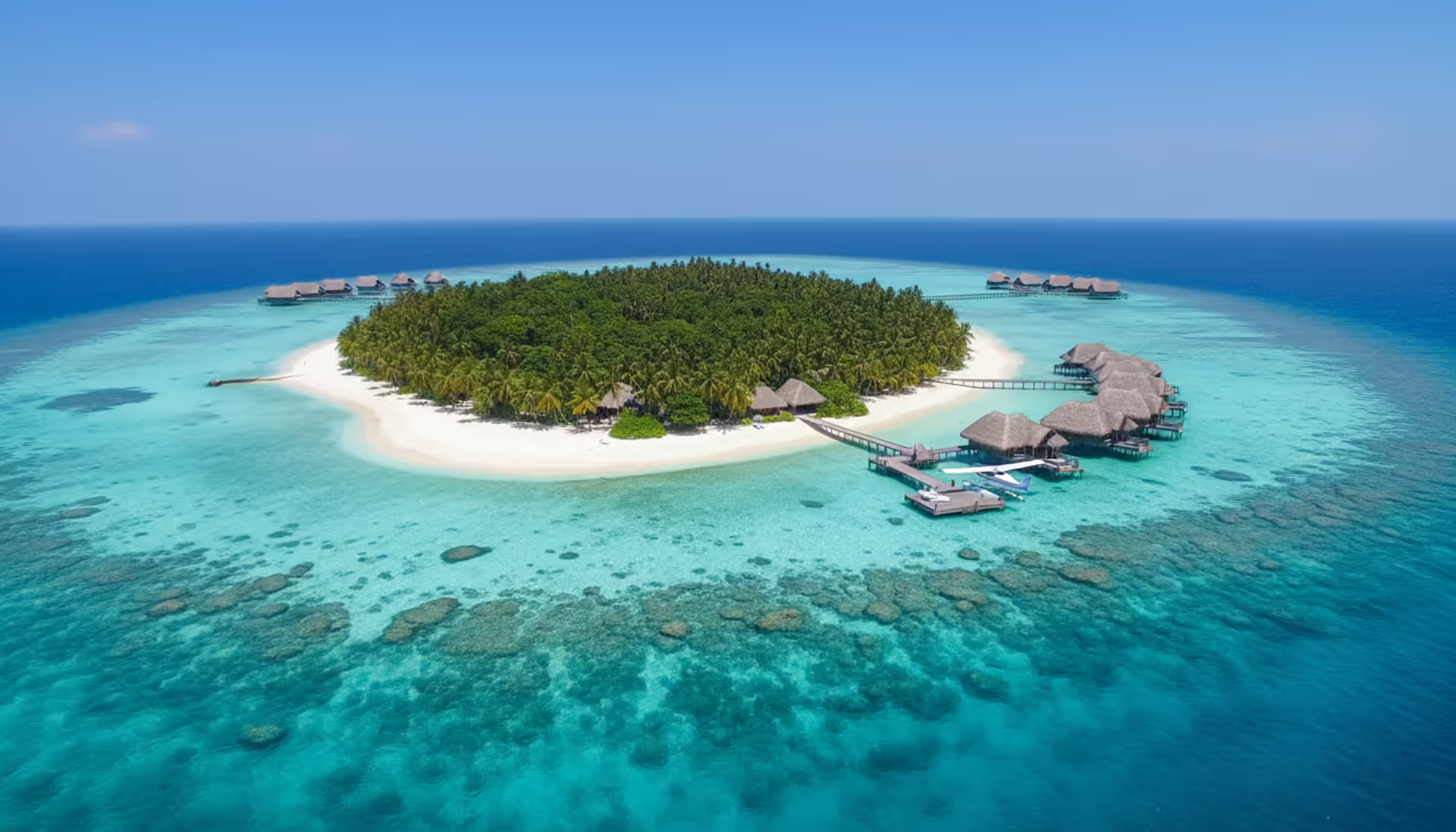
Aerial view of a tropical private island with turquoise lagoon, overwater luxury villas, white sandy beach, and a seaplane docked at a wooden pier on a sunny day
Most Expensive Vacation Destinations in the World

Content
Think five-star hotels are expensive? Try $80,000 per night at Geneva's Hotel President Wilson Royal Penthouse Suite. Or how about $3,900 daily per person just for baseline luxury in the Seychelles—and that's before you've tipped anyone or bought a single souvenir.
Luxury vacations have blown past the traditional markers of first-class flights and fancy hotels. We're talking about destinations where a week-long trip for two can easily hit six figures. The Maldives, Swiss ski resorts, private Caribbean islands—these places operate on a completely different financial plane than typical high-end travel.
What separates a $500-per-night splurge from a $3,000-per-night investment? More than you'd think. Service ratios of four staff members per guest. Michelin-starred chefs preparing your meals. Private seaplanes as the only way to reach your resort. When you're planning that bucket-list trip, understanding these cost drivers matters—especially when you're about to drop $40,000 on a single week.
What Makes a Vacation Destination Expensive
Location matters, but not how you'd expect. Sure, Switzerland's strong franc doesn't help your wallet. But the real cost driver? Scarcity and access.
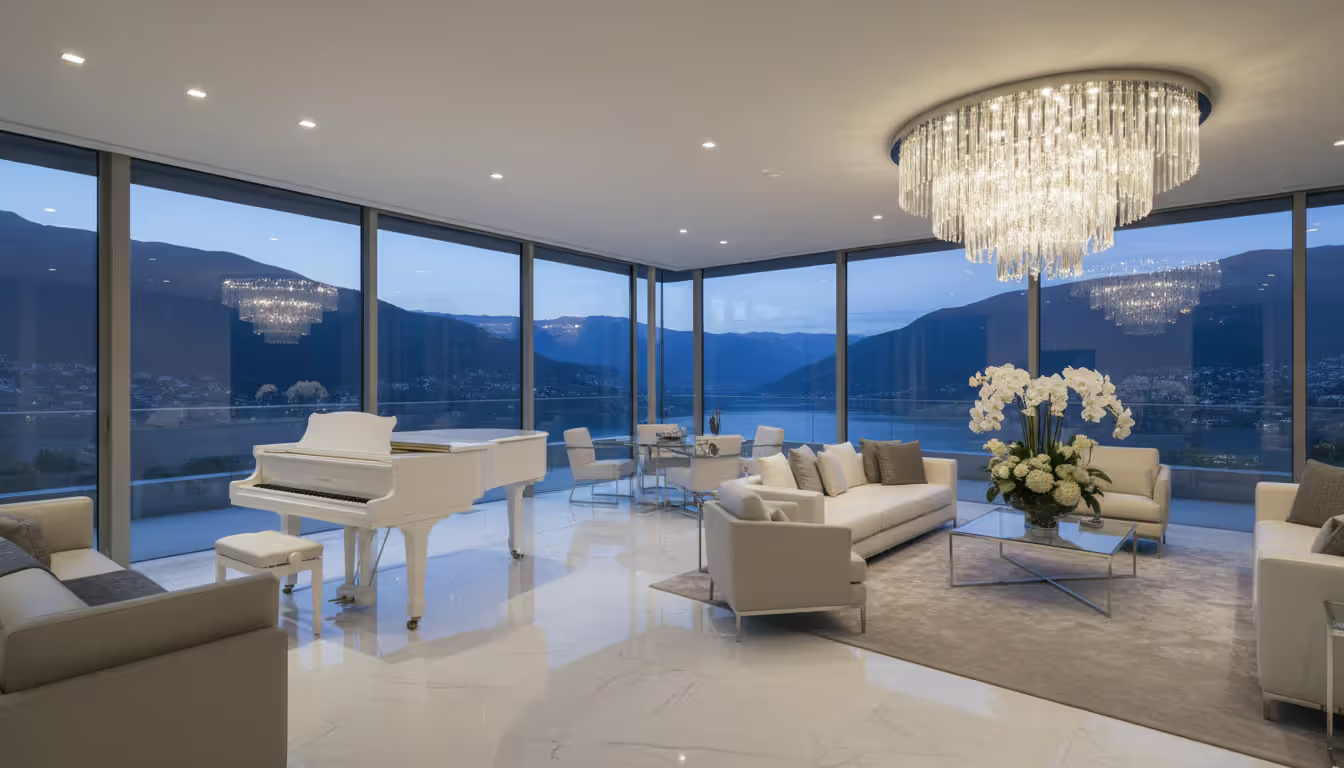
Take accommodation. The Royal Penthouse Suite I mentioned earlier doesn't just offer space (though at 18,000 square feet, there's plenty). You get bulletproof windows overlooking Lake Geneva, a private elevator, a Steinway grand piano, and staff who've memorized your preferences before you arrive. It's not about thread count—it's about exclusivity you literally cannot buy elsewhere.
Restaurant pricing follows similar logic. Monaco's Le Louis XV-Alain Ducasse charges $500+ per person, and that's before you've ordered wine. A beachfront lunch in St. Barts? Expect $150 per person for what amounts to grilled fish and salad. You're paying for the chef who trained under culinary legends, ingredients flown in daily from specific suppliers, and waterfront real estate worth millions.
Activities multiply costs fast. Want to see the French Alps from above? That's $3,000 for an hour-long helicopter tour. Mediterranean yacht charters start around $10,000 daily for basic vessels. Serious superyachts? Try $500,000 per week. Even "included" activities at all-inclusive resorts often exclude the experiences you actually want—like diving with whale sharks or private sunset cruises.
Remoteness creates natural price floors. Getting to Laucala Island in Fiji requires a chartered flight from Nadi. North Island in Seychelles? Same situation. These transfers alone add $2,000-$5,000 to your trip before you've slept in a single bed. But that isolation is precisely what guests are buying—absolute certainty that paparazzi, crowds, and the general public won't intrude.
Seasonal pricing swings wildly. The Amalfi Coast in August costs triple what you'd pay in November. Aspen during Christmas week versus March? You're looking at 200-300% price differences. Understanding these patterns can save you tens of thousands without sacrificing much experience quality.
Author: Olivia Kensing;
Source: reykjaviksegwaytours.com
Top Ultra-Luxury Destinations by Region
Every continent has destinations that'll make your credit card weep. Here's where the global elite spend their vacation budgets.
Europe's Priciest Getaways
Switzerland owns the European luxury crown. St. Moritz and Zermatt aren't just ski resorts—they're playgrounds where a week on the slopes runs $25,000-$40,000 per person during peak season. That covers your five-star hotel, lift tickets, equipment, dining at Michelin-starred chalets, and après-ski champagne. The Swiss franc's strength means even coffee costs $8, and there's no escaping it.
Monaco packs absurd wealth into less than one square mile. During May's Formula 1 Grand Prix, hotel rooms that normally rent for $800 jump to $4,000 nightly—if you can find availability. Dinner at Le Louis XV requires booking months ahead. Walk around Port Hercules during race week, and you'll see superyachts worth more than small countries, each spending $100,000+ just to dock for the weekend.
Iceland surprises people with its costs. Despite looking rugged and remote (it is), this volcanic island charges premium prices for everything. Private tours of glaciers, volcano hikes, and Northern Lights expeditions cost $1,500-$3,000 daily. The country imports most goods and has a tiny population, keeping prices elevated year-round. A basic restaurant meal in Reykjavik? Easily $75 per person.
Asia-Pacific Exclusive Retreats
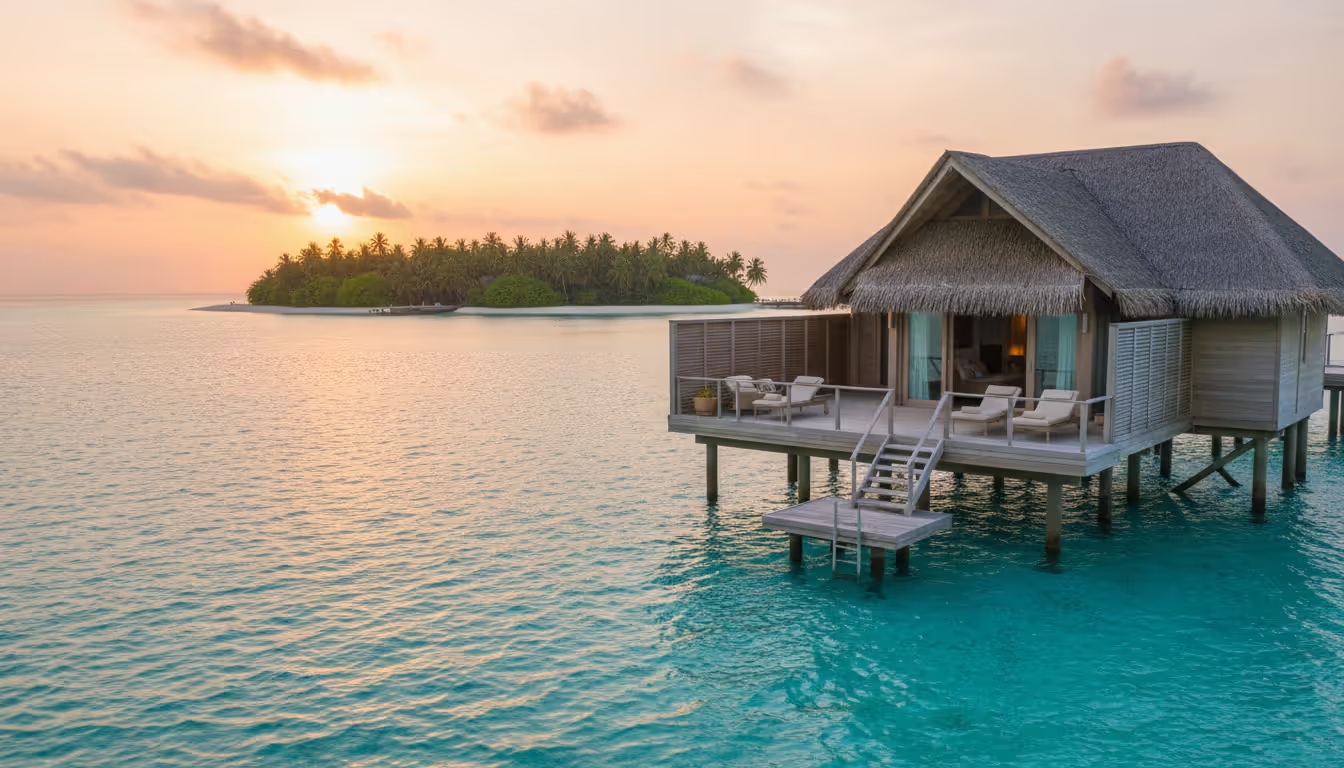
The Maldives has perfected the overwater villa concept. Resorts like Soneva Jani and Cheval Blanc Randheli start at $2,500 nightly—and that's their entry-level accommodations. Book a multi-bedroom water villa, and you're looking at $8,000+ per night. "All-inclusive" sounds convenient until you realize premium alcohol, most spa treatments, and special excursions all carry surcharges. Couples routinely spend $30,000-$50,000 for a week, and that's without going crazy.
Bora Bora competes directly with the Maldives but costs more to reach from North America. The Four Seasons and St. Regis charge $1,800-$3,500 per night for their signature overwater bungalows. Flights from Los Angeles route through Tahiti and run $2,000-$3,000 per person. Once you're there, every activity—shark feeding, sunset cruises, couples' spa treatments—adds hundreds to your daily total.
Japan's ultra-luxury ryokans offer something completely different. Hoshinoya Tokyo charges $1,200-$2,000 nightly and requires multi-night minimum stays. You're not just getting a bed—you're getting kaiseki meals prepared by chefs who've trained for decades, private onsen baths, tea ceremonies, and cultural immersion you won't find anywhere else. Daily costs rival European destinations, but the experience has zero overlap with beach resorts.
Author: Olivia Kensing;
Source: reykjaviksegwaytours.com
Caribbean and Island Paradises
St. Barts stands alone as the Caribbean's most expensive island. No cruise ships allowed. No resort chains. Just private villas, boutique hotels, and restaurants that charge Parisian prices. Villa rentals during Christmas week start at $15,000 and escalate to $100,000+ for beachfront estates with full staff. Restaurant meals average $200 per person before wine. Even basic groceries at the island's markets cost double what you'd pay stateside.
Turks and Caicos attracts travelers who want pristine beaches without St. Barts' scene. Properties like Amanyara and COMO Parrot Cay sit on private cays accessible only by resort boat. Rooms run $1,500-$4,000 nightly. The British Overseas Territory's political stability and proximity to the US (three hours from New York) justify the premium for travelers who won't compromise on beach quality.
Anguilla deliberately limited development to maintain exclusivity. Four Seasons and Belmond Cap Juluca anchor the luxury market with rates starting at $1,200 nightly during high season. The island has no casinos, no nightclubs, no mega-resorts. That appeals to a specific traveler—usually older, wealthy, seeking absolute relaxation over entertainment.
Middle East Opulence
Dubai doesn't do anything halfway. The Burj Al Arab's basic suites start at $2,000 nightly. Their Royal Suite? $25,000 per night for 8,400 square feet of gold leaf, marble, and over-the-top luxury. Add tax-free shopping, indoor skiing at Mall of the Emirates, desert safaris, and fine dining across dozens of celebrity-chef restaurants, and you're easily spending $15,000-$30,000 per person for a week.
Abu Dhabi takes a slightly more refined approach. Emirates Palace offers similar opulence with marginally lower prices. The Louvre Abu Dhabi and growing cultural scene attract travelers who want substance alongside luxury. Daily budgets of $1,500-$2,500 per person cover exceptional hotels, excellent dining, and world-class cultural experiences. It's still expensive—just less aggressively flashy than Dubai.
Cost Breakdown for Elite Travel Destinations
Let's talk real numbers. Here's what you'll actually spend daily at eight of the world's priciest destinations, assuming peak season travel with luxury accommodations and quality dining.
| Destination | Luxury Hotel (per night) | Fine Dining (per day) | Activities/Excursions (average) | Estimated Daily Total (per person) |
| St. Moritz, Switzerland | $1,800 | $350 | $400 | $2,550 |
| Maldives (Soneva Jani) | $2,500 | $300 | $250 | $3,050 |
| Bora Bora, French Polynesia | $2,200 | $280 | $200 | $2,680 |
| St. Barts, Caribbean | $2,000 | $400 | $350 | $2,750 |
| Monaco, French Riviera | $1,600 | $450 | $500 | $2,550 |
| Dubai, UAE | $1,400 | $300 | $400 | $2,100 |
| Aspen, Colorado | $1,500 | $320 | $380 | $2,200 |
| Seychelles (North Island) | $3,500 | $250 | $150 | $3,900 |
These numbers assume double occupancy for hotels, with per-person costs split accordingly. Activities include one significant excursion or experience daily—not just lying by the pool. Airport transfers, spa treatments, shopping, and those "just one more cocktail" moments all add to these baseline figures.
Notice how Seychelles' North Island costs the most? That's because their all-inclusive model bundles virtually everything except spa treatments into the room rate. You pay a fortune upfront, but you're done spending. Monaco works oppositely—costs accumulate through separate charges for every experience, making it dangerously easy to overspend if you're not tracking expenses.
Private Islands and Remote Luxury Resorts
Private islands represent the absolute peak of exclusive travel. We're talking destinations where you won't encounter another guest unless you literally bump into them on a beach path.
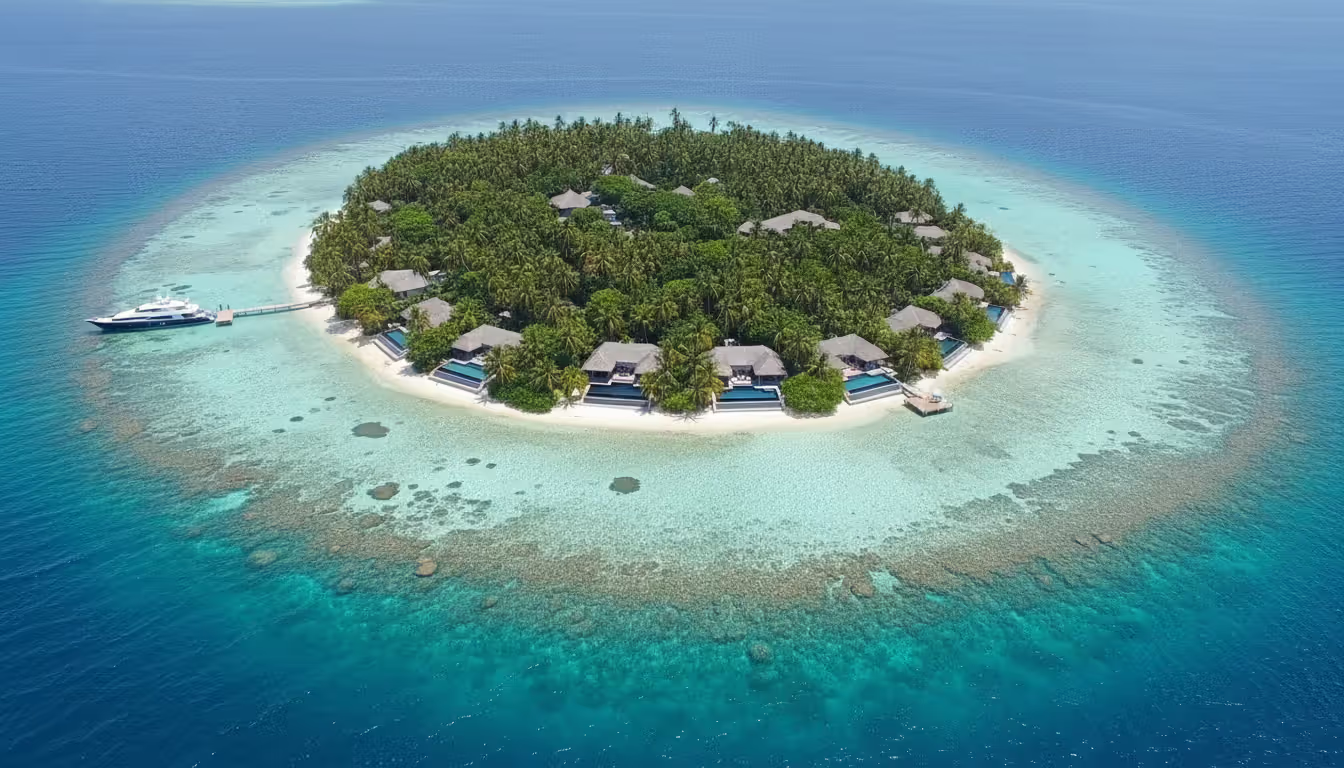
Laucala Island in Fiji sprawls across 3,200 acres with just 25 villas total. Owned by the late Dietrich Mateschitz's (Red Bull founder) estate, this island operates all-inclusive starting at $7,000 per night. That covers your villa, all meals, top-shelf alcohol, and most activities—diving, horseback riding, golf on an 18-hole course, etc. Spa treatments and certain premium excursions cost extra, but you're not being nickel-and-dimed constantly.
Richard Branson's Necker Island in the British Virgin Islands rents exclusively to single groups for $105,000 per night. That accommodates up to 40 guests, working out to $2,625 per person nightly at full capacity. Most groups are smaller, pushing per-person costs higher. The all-inclusive rate covers staff (outnumbering guests significantly), meals prepared by private chefs, water sports, tennis, and that ineffable Branson brand of adventure.
North Island in Seychelles limits capacity to just 22 guests across 11 villas. Rates run $3,500-$8,000 per villa nightly, all-inclusive. What separates this island? Serious conservation work. They've successfully reintroduced endemic species and rehabilitated entire ecosystems. Guests pay for luxury, sure, but also support meaningful environmental efforts.
Musha Cay in the Bahamas, owned by magician David Copperfield, requires full-island rental starting at $50,000 nightly for up to 12 guests. Copperfield has hidden lounges across the beaches, organizes treasure hunts, and occasionally performs magic shows for guests. Celebrities and ultra-high-net-worth individuals book it specifically for guaranteed privacy—no paparazzi, no fans, no one except who you invite.
These ultra-luxury islands share common traits: limited accessibility (usually private aircraft only), all-inclusive pricing that simplifies planning, staff-to-guest ratios of 4:1 or higher, and genuine environmental commitments. You're not just buying luxury—you're buying certainty that your experience won't be compromised by crowds or mediocre service.
Author: Olivia Kensing;
Source: reykjaviksegwaytours.com
When to Visit High-End Destinations for Best Value
Timing can save you 30-50% without sacrificing much experience quality. Here's what actually works.
The Maldives has two distinct seasons, and the "bad" one isn't that bad. December through April brings guaranteed sunshine and peak pricing. May through November sees occasional rain but cuts rates by 40% at many resorts. The shoulder months—May and November—offer the sweet spot: mostly excellent weather, fewer guests, and significantly lower costs.
European alpine destinations charge premiums during obvious times: Christmas, New Year's, and February school holidays. Visit St. Moritz or Zermatt in early December or late March instead. Snow quality remains excellent, crowds thin out, and you'll save 25-35%. Summer hiking season peaks in July-August, but June and September offer equally pleasant weather with better availability.
Caribbean hurricane season (June-November) traditionally meant bargain pricing, though climate change has made weather less predictable. September and October carry the highest storm risk and lowest prices—sometimes 50% below winter rates. November offers a reasonable compromise with improving weather and moderate pricing. Most travelers won't risk it, but hurricane insurance exists for those willing to gamble.
St. Barts shows the most extreme seasonal swings. Christmas week villa rentals hit $100,000+ while restaurants book solid for weeks. Those same properties? $15,000-$25,000 in November or May, with empty beaches and walk-in restaurant availability. If you can handle occasional showers, the savings are substantial.
Special events create predictable price spikes worth avoiding unless attending is your specific purpose. Monaco's Grand Prix, Cannes Film Festival, Art Basel Miami Beach—all double or triple accommodation costs. Dubai Shopping Festival in January-February increases demand, while summer (June-August) offers the lowest prices despite brutal heat. If you're not planning beach time anyway, Dubai's indoor attractions make summer viable.
Luxury travel in 2026 isn't just about thread counts and champagne brands—it's about access to experiences money usually can't buy. Our clients pay premiums for private museum tours after hours, cooking classes with Michelin-starred chefs in their homes, and wildlife encounters that would take years to arrange independently. The cost reflects not just quality but also the expertise required to unlock these opportunities
— Jennifer Hastings
How to Plan a Trip to Expensive Holiday Destinations
Planning a six-figure vacation requires different strategies than booking a normal trip. Mistakes cost thousands, not hundreds.
Book absurdly early. Private island resorts like Laucala and North Island fill 12-18 months ahead for peak dates. Wait until six months out, and you're limited to less desirable periods or facing sold-out properties entirely. St. Barts villas for Christmas week? Regulars book by March for the following December. Not kidding.
Luxury travel advisors justify their fees through relationships you can't replicate. They secure room upgrades, spa credits, early check-in, late checkout—perks DIY bookers rarely receive. More importantly, they communicate your preferences properly. Pillow firmness, dietary restrictions, activity interests—all conveyed before arrival so staff can prepare. For complex itineraries involving multiple destinations, private transfers, and special experiences, advisors save massive time and stress.
DIY planning works if you've got significant research time and flexibility. Booking directly with hotels sometimes yields better cancellation policies than third-party sites. Credit card points and airline miles can offset costs, though availability at ultra-luxury properties is limited. The trade-off? You handle all logistics personally and lack an advocate when problems arise.
Budget for hidden costs that add 20-30% to advertised rates. Resort fees at Caribbean properties tack on $150-$300 daily. Gratuities at all-inclusive resorts typically run 10-15% of the base rate—that's $3,500-$5,000 extra for a week at a $50,000 resort. Airport transfers via private car or helicopter cost $500-$3,000 depending on distance and vehicle type. Some Maldives resorts charge separately for seaplane transfers ($800-$1,200 per person round-trip).
Travel insurance becomes non-negotiable at these price points. Comprehensive policies cost 5-7% of trip costs but cover cancellations, medical emergencies, and evacuation. When a week-long trip costs $40,000-$80,000 for a couple, that $2,000-$5,000 insurance premium provides meaningful protection. Skip it at your own financial risk.
Currency fluctuations impact international destinations significantly. The Swiss franc, euro, and various pegged currencies all affect final pricing. Paying deposits in destination currency versus dollars can save or cost thousands depending on exchange rate movements between booking and travel. Your travel advisor should monitor this, but DIY bookers need to pay attention.

Author: Olivia Kensing;
Source: reykjaviksegwaytours.com
Frequently Asked Questions
The world's most expensive vacation destinations deliver experiences you can't find elsewhere, but they demand careful planning and realistic budgeting. Understanding what drives costs—exclusivity, location, service quality, unique experiences—helps you determine whether specific destinations match your priorities and budget.
Regional variations offer different value propositions worth considering. European destinations provide cultural richness and relative accessibility. Island paradises emphasize natural beauty and near-total seclusion. Middle Eastern destinations showcase modern luxury and architectural ambition. Asia-Pacific retreats blend cultural immersion with pristine environments.
Successful trips to these elite locations balance aspiration with preparation. Book 12-18 months early for preferred dates. Use travel advisors for complex itineraries or unfamiliar destinations. Account for hidden costs that'll add 20-30% to baseline budgets. Consider shoulder seasons for significant savings without major experience compromises.
Whether ultra-luxury travel makes sense ultimately depends on personal circumstances and values. For milestone celebrations, once-in-a-lifetime experiences, or travelers who prioritize privacy and exceptional service above everything else, these destinations justify their premium pricing. The memories from a week at Laucala Island or North Island last far longer than the financial impact—assuming you can comfortably afford them.
Start planning now if you're targeting peak-season travel to the world's most exclusive destinations. Research thoroughly, set realistic budgets that include all costs (not just advertised room rates), and choose destinations aligned with your specific interests rather than simply chasing prestige. Whether you're drawn to alpine skiing, tropical diving, or cultural immersion, the world's priciest destinations offer unmatched experiences for travelers ready to invest in extraordinary travel.